Search Results
Consciousness and Assessment
02:07 - 02:07 Nov 12, 2025
-

Consciousness and Assessment

Consciousness is the awareness of oneself and the environment, serving as a vital aspect of medical evaluation. Assessing a patient's level of consciousness is essential for understanding their clinical condition, informing treatment strategies, and anticipating health outcomes. ddo-
Consciousness Changes
02:07 - 02:07 Nov 12, 2025
-

Consciousness Changes

Consciousness changes represent a critical area of study in medicine, providing insights into various patient states and neurological functions. This lecture will explore the clinical spectrum of altered awareness, ranging from coma to delirium and anesthesia, while examining the underlying mechanisms and diagnostic strategies involved. ddo-

Dementia  Forgetfulness
02:07 - 02:07 Nov 12, 2025
-

Dementia Forgetfulness

Dementia is a complex term that refers to a decline in cognitive function severe enough to interfere with daily life. Forgetfulness is a hallmark symptom of dementia, affecting not only memory but also the overall quality of life for both patients and caregivers. ddo-

Epilepsy
02:07 - 02:07 Nov 12, 2025
-

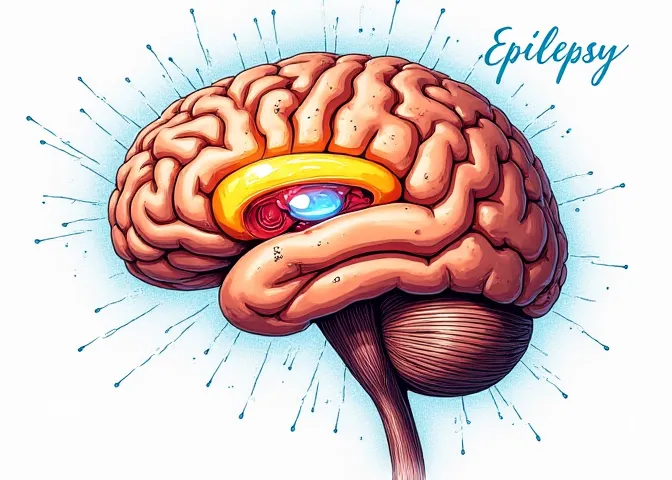
Epilepsy

Epilepsy is a complex neurological disorder marked by recurrent, unprovoked seizures due to abnormal electrical activity in the brain. Its origins can stem from genetic factors, structural brain damage, or remain unknown, significantly affecting the quality of life for those diagnosed. ddo-

Extrapyramidal System Diseases
02:07 - 02:07 Nov 12, 2025
-

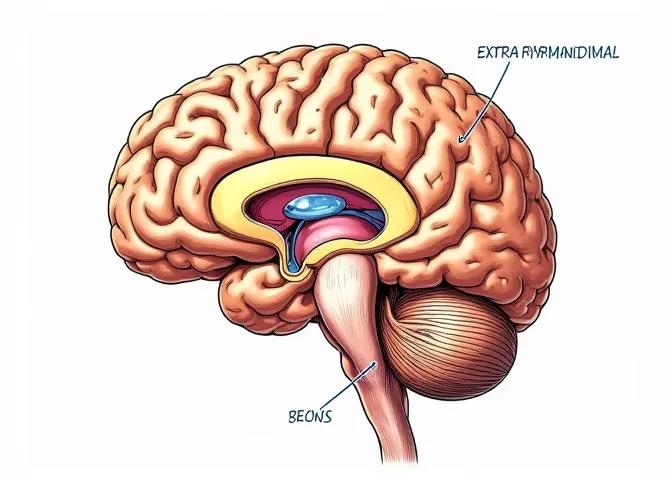
Extrapyramidal System Diseases

The extrapyramidal system plays a vital role in regulating motor control and posture through its connections with the basal ganglia and cerebellum. Disorders affecting this system lead to unique movement abnormalities that differ markedly from those associated with pyramidal tract lesions. ddo-

Guillain-Barre Syndrome
02:07 - 02:07 Nov 12, 2025
-

Guillain-Barre Syndrome

Guillain-Barré Syndrome (GBS) is a rare autoimmune disorder where the immune system mistakenly attacks the peripheral nervous system, resulting in muscle weakness and paralysis. Often triggered by infections, early diagnosis and prompt management are crucial for improving patient outcomes. ddo-

Higher Cortical Dysfunctions
02:07 - 02:07 Nov 12, 2025
-

Higher Cortical Dysfunctions

Higher cortical dysfunctions refer to a variety of disorders that impair complex cognitive processes governed by the cerebral cortex. These disorders can significantly impact essential functions such as language, memory, attention, and executive skills, making understanding their clinical syndromes and neural underpinnings vital for effective patient management. ddo-

Hemorrhagic Stroke
02:07 - 02:07 Nov 12, 2025
-

Hemorrhagic Stroke

Hemorrhagic stroke is a serious medical condition characterized by bleeding into the brain tissue, which disrupts normal blood flow and neurological function. Often caused by uncontrolled hypertension or the rupture of weakened blood vessels, it requires immediate medical attention to mitigate potential damage and improve outcomes. ddo-

Muscle Diseases (Myopathies)
02:07 - 02:07 Nov 12, 2025
-

Muscle Diseases (Myopathies)

Muscle diseases, known collectively as myopathies, encompass a diverse group of disorders characterized by impaired muscle function ranging from weakness to wasting. Understanding these conditions is crucial for medical professionals, as they represent significant clinical challenges affecting mobility and quality of life. ddo-

Medical Ethics and Communication in Neurology Clerkship
02:07 - 02:07 Nov 12, 2025
-

Medical Ethics and Communication in Neurology Clerkship

This lecture explores the crucial intersection of medical ethics and patient communication within the neurology clerkship experience. We will examine common ethical dilemmas encountered in neurological practice and discuss effective communication strategies for managing difficult conversations with patients and their families. ddo-

Myasthenia Gravis
02:07 - 02:07 Nov 12, 2025
-

Myasthenia Gravis

Myasthenia gravis is a chronic autoimmune disorder that leads to weakness and rapid fatigue of voluntary muscles. This condition greatly affects a patient's daily functioning due to autoantibodies that target the acetylcholine receptors at the neuromuscular junction. ddo-

Migraine
02:07 - 02:07 Nov 12, 2025
-

Migraine

Migraine is a complex neurological disorder that manifests as recurrent headaches, often debilitating in nature. These headaches are typically unilateral, pulsating, and accompanied by various symptoms such as nausea and sensitivity to light and sound. ddo-

Mini-Mental State Examination
02:07 - 02:07 Nov 12, 2025
-

Mini-Mental State Examination

The Mini-Mental State Examination (MMSE) is a brief, standardized test that assesses cognitive function and is commonly used in clinical settings. It helps in screening for cognitive impairment and provides a structured way to evaluate various cognitive domains vital for diagnosing neurological and psychological disorders. ddo-

Motor Neuron Diseases
02:07 - 02:07 Nov 12, 2025
-

Motor Neuron Diseases

Motor neuron diseases (MNDs) encompass a variety of progressive neurological disorders characterized by the degeneration of motor neurons in the brain and spinal cord. This degeneration results in severe muscle weakness, atrophy, and functional impairments that can affect speech, swallowing, and breathing, ultimately leading to a fatal outcome. ddo-

Multiple Sclerosis
02:07 - 02:07 Nov 12, 2025
-

Multiple Sclerosis

Multiple Sclerosis (MS) is a chronic autoimmune disorder that primarily affects the central nervous system. It is characterized by the demyelination of neurons, leading to a wide array of neurological symptoms and significant disability for those affected. ddo-

Neurological Examination
02:07 - 02:07 Nov 12, 2025
-

Neurological Examination

Neurological examination is a critical component of medical diagnosis that evaluates the integrity of the nervous system, including the brain, spinal cord, and peripheral nerves. A thorough understanding of the examination process is vital for detecting neurological disorders and implementing effective treatment plans. ddo-

Neuralgias
02:07 - 02:07 Nov 12, 2025
-

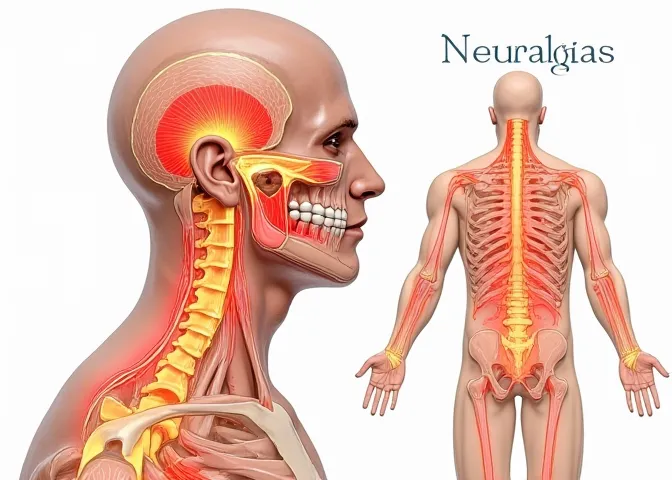
Neuralgias

Neuralgias are characterized by intense, sharp, or burning pain along specific nerve pathways, distinguishing them from typical neuropathic or inflammatory pain. This lecture will delve into the various causes, clinical manifestations, diagnostic methods, and treatment options for common neuralgic syndromes encountered in clinical settings. ddo-

Other Headaches
02:07 - 02:07 Nov 12, 2025
-

Other Headaches

Headaches are a prevalent complaint among patients, often leading to healthcare visits. While many headaches are benign, this lecture will delve into 'Other Headaches,' emphasizing the importance of recognizing red flags for urgent evaluation and addressing less common headache disorders beyond the typical tension and migraine types. ddo-

Polyneuropathies
02:07 - 02:07 Nov 12, 2025
-

Polyneuropathies

Polyneuropathies are a group of disorders that involve the degeneration of multiple peripheral nerves, leading to a range of sensory, motor, and autonomic symptoms. Understanding their diverse causes and employing effective diagnostic strategies are essential for optimal patient care. ddo-

Parkinson's Disease
02:07 - 02:07 Nov 12, 2025
-

Parkinson's Disease

Parkinson's disease is a progressive neurodegenerative disorder that primarily affects movement. It results from the loss of dopamine-producing neurons in the brain, leading to significant motor and non-motor symptoms that can greatly impact daily life. ddo-

Status Epilepticus
02:07 - 02:07 Nov 12, 2025
-

Status Epilepticus

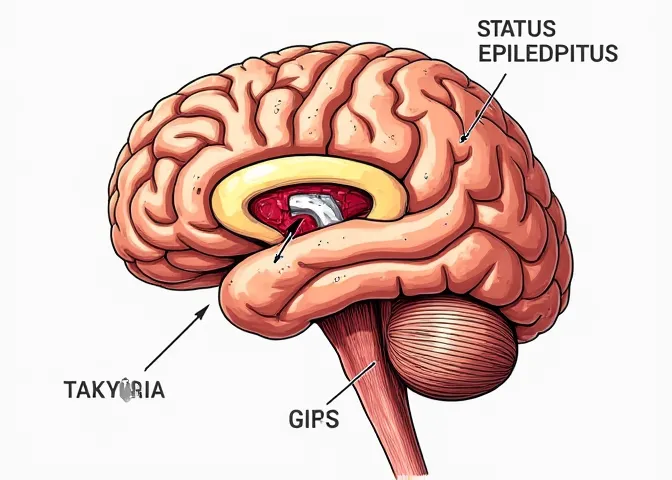
Status Epilepticus is a medical emergency characterized by prolonged seizures or a series of seizures without recovery in between. Typically lasting more than five minutes, this condition requires immediate intervention to prevent serious complications and potential death. ddo-

Transient Ischemic Attack
02:07 - 02:07 Nov 12, 2025
-

Transient Ischemic Attack

A Transient Ischemic Attack (TIA), often referred to as a mini-stroke, is a temporary episode of neurological dysfunction caused by a short-term reduction in blood flow to the brain. While TIAs typically resolve within 24 hours and do not lead to permanent damage, they serve as a serious warning sign for the potential of a major stroke in the future. ddo-