Search Results
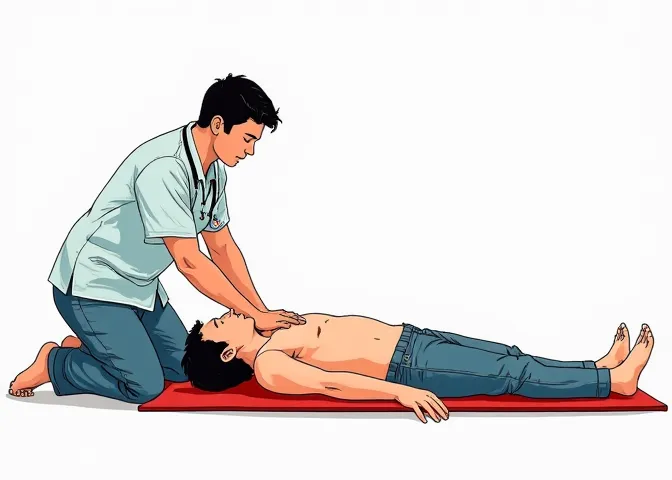
Basic life support: Adult
09:25 - 10:10 Feb 09, 2026

Basic life support: Adult

Basic life support (BLS) is an essential skill set for both healthcare providers and laypersons, empowering them to respond effectively during emergencies. Mastering BLS techniques, particularly cardiopulmonary resuscitation (CPR) and the use of automated external defibrillators (AEDs), is vital for enhancing survival rates in cases of cardiac or respiratory arrest. ddo-
First aid for fractures and dislocations
15:00 - 15:45 Mar 10, 2026

First aid for fractures and dislocations

Immediate and correct first aid for fractures and dislocations is crucial to prevent further injury and potential long-term damage. This lecture will equip you with the essential knowledge and practical steps to manage these common musculoskeletal injuries effectively. ddo-

First aid for burns
10:20 - 11:05 Mar 12, 2026

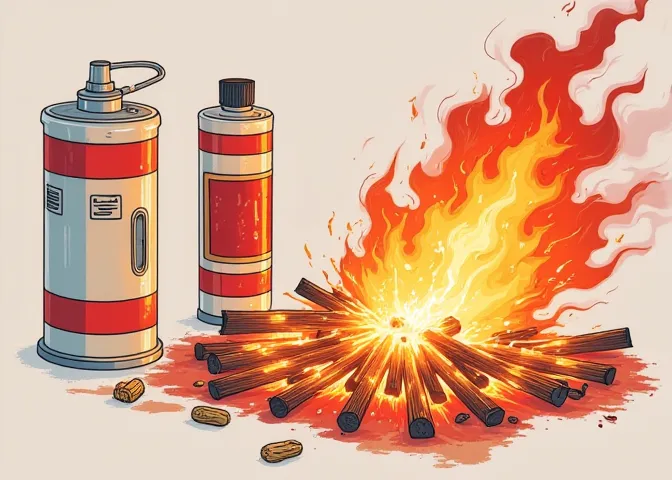
First aid for burns

Burns are a major public health issue, necessitating immediate and effective first aid to limit damage and enhance recovery. Understanding the appropriate steps and recognizing when to seek professional medical help are essential for achieving the best outcomes for burn victims. ddo-

First aid for bleeding emergencies
09:25 - 10:10 Mar 02, 2026

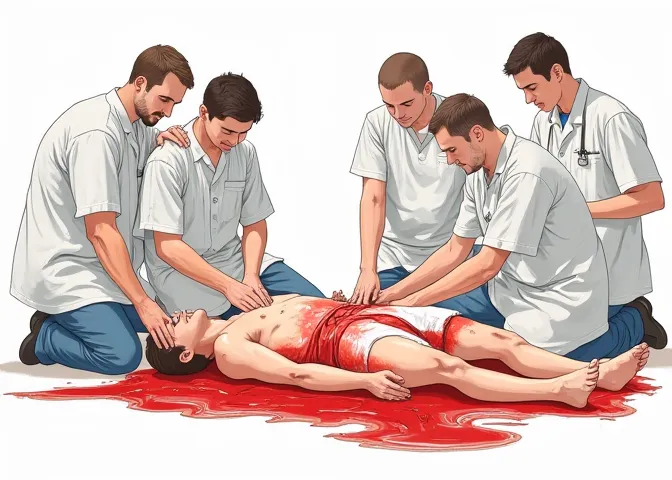
First aid for bleeding emergencies

Bleeding emergencies require quick evaluation and action to prevent serious health consequences. Effective first aid can significantly reduce the risk of death and improve outcomes for individuals experiencing severe blood loss. ddo-

First aid for drowning
11:15 - 12:00 Mar 12, 2026

First aid for drowning

Drowning is a critical emergency that requires swift and effective first aid. This lecture outlines the essential steps to take when responding to a drowning incident, highlighting the importance of basic life support measures such as CPR until professional medical assistance arrives. ddo-

First aid in electrical injuries
10:20 - 11:05 Mar 02, 2026

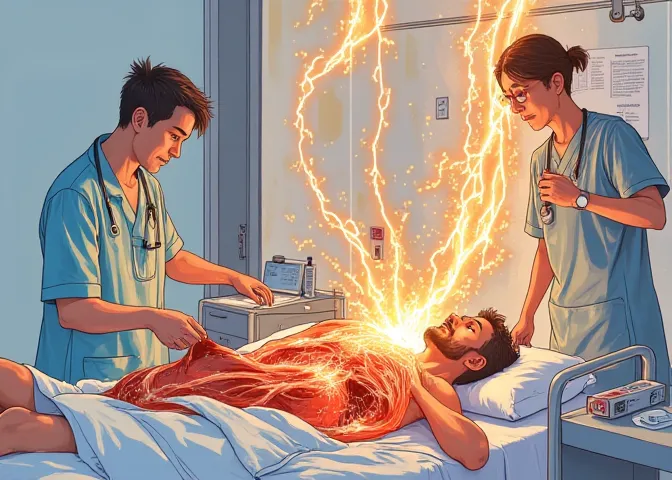
First aid in electrical injuries

Electrical injuries can lead to serious internal damage that may not be immediately visible, making them particularly dangerous. Understanding the appropriate first aid response is vital for bystanders and responders to reduce the risk of mortality and morbidity following such incidents. ddo-

First aid in poisoning
10:20 - 11:05 Mar 05, 2026

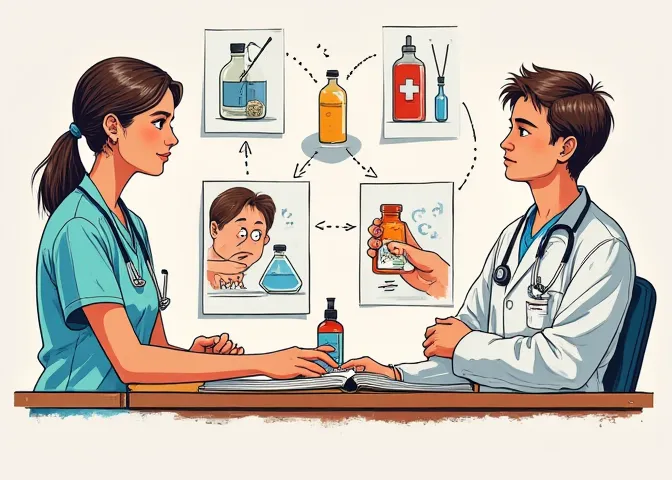
First aid in poisoning

Timely and appropriate first aid is crucial in minimizing harm and potentially saving lives after poisoning incidents. This lecture will provide essential knowledge and practical steps for effectively managing common poisoning scenarios. ddo-

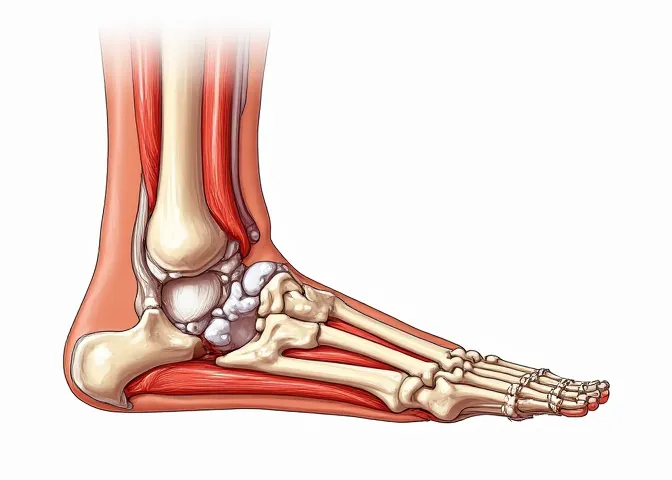
Bones of the lower limb
14:25 - 15:10 Feb 13, 2026

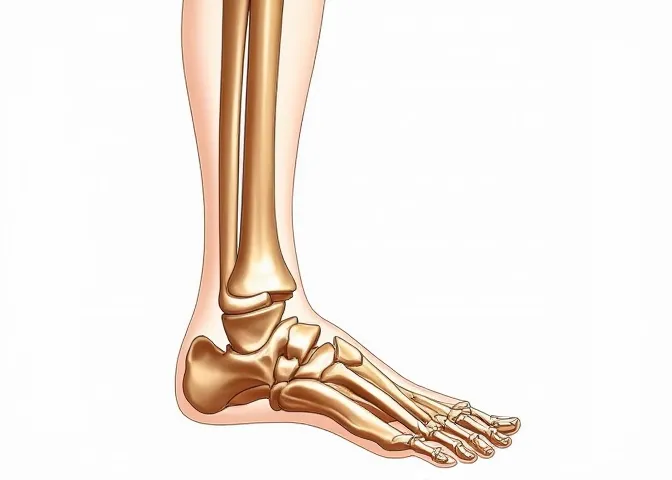
Bones of the lower limb

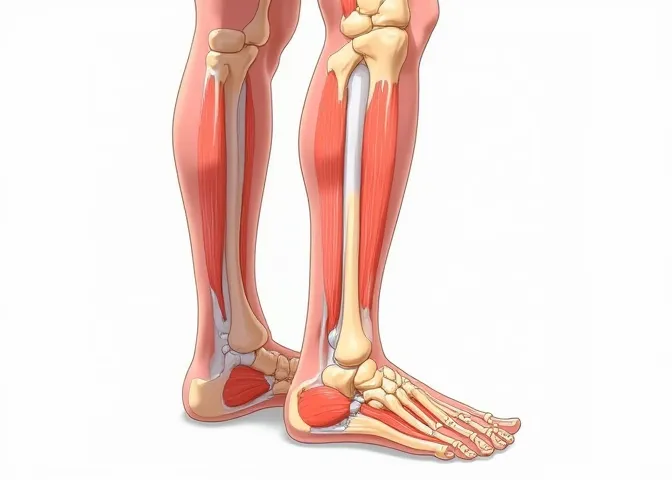
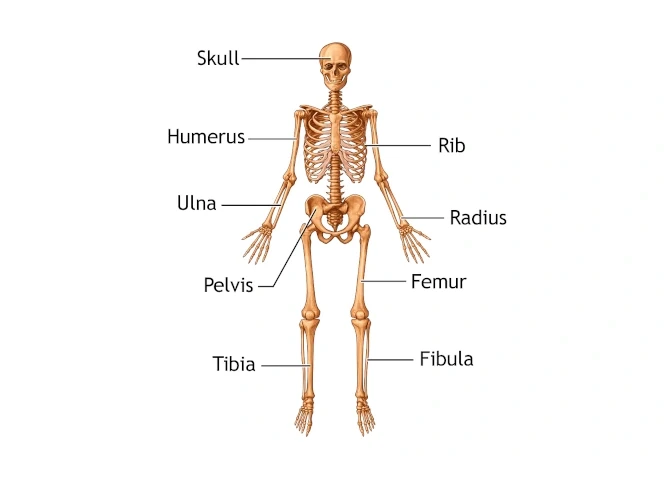
The lower limb is a remarkable structure designed to support the body, facilitate movement, and bear weight. This lecture will delve into the bones that comprise the lower limb, highlighting their anatomical features, functional relationships, and clinical relevance. ddo-

Bones of the upper limb
14:05 - 14:50 Feb 11, 2026

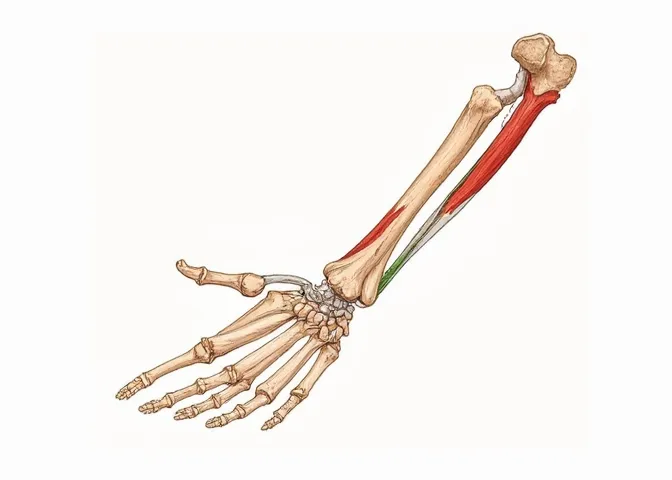
Bones of the upper limb

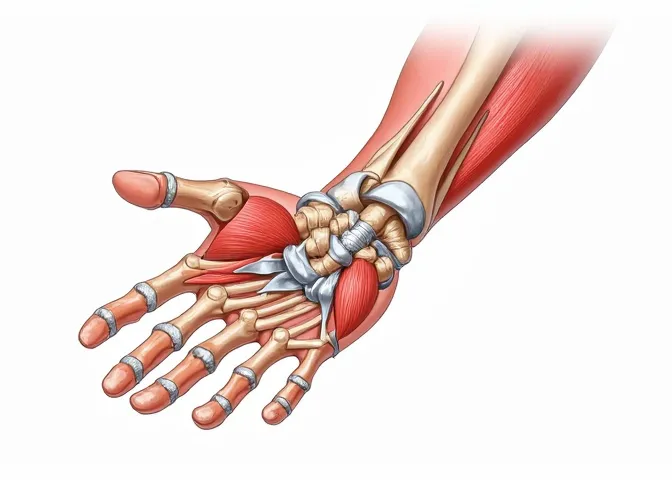
The upper limb is a complex structure composed of several bones that facilitate a wide range of movements. Understanding the anatomy of the humerus, radius, ulna, carpals, metacarpals, and clavicle is crucial for assessing upper limb function and for surgical procedures. ddo-

The entire skull
08:30 - 09:15 Feb 26, 2026

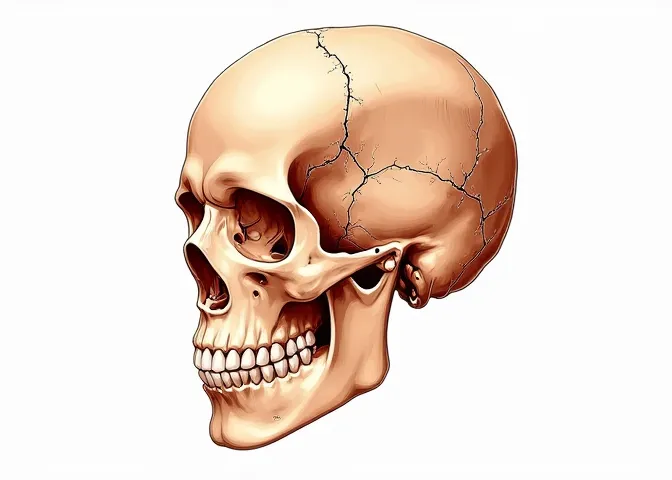
The entire skull

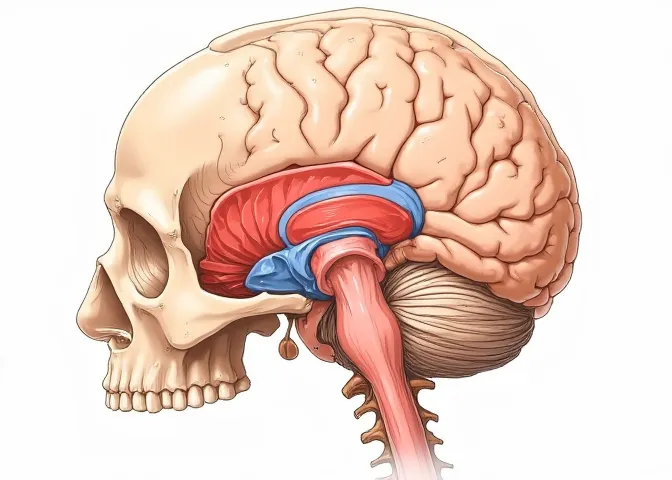
The skull serves as a crucial protective structure for the brain, safeguarding it from external trauma while accommodating essential neurovascular elements. A thorough understanding of its anatomy, including sutures, sinuses, and cranial bones, is essential for medical professionals across multiple disciplines. ddo-

Introduction of anatomy
10:20 - 11:05 Feb 10, 2026

Introduction of anatomy

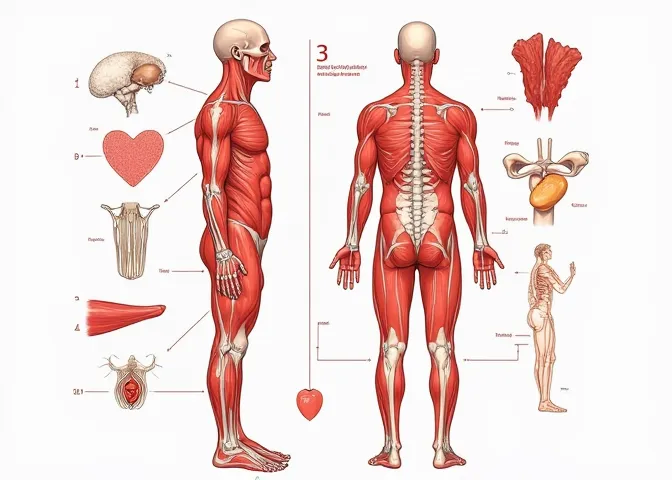
Anatomy is the branch of science that focuses on the structure and organization of the human body. By studying the various tissues, organs, and systems, we gain a deeper understanding of how the body functions and prepares ourselves for clinical practice. ddo-

Introduction to terminology
08:30 - 09:15 Feb 10, 2026

Introduction to terminology

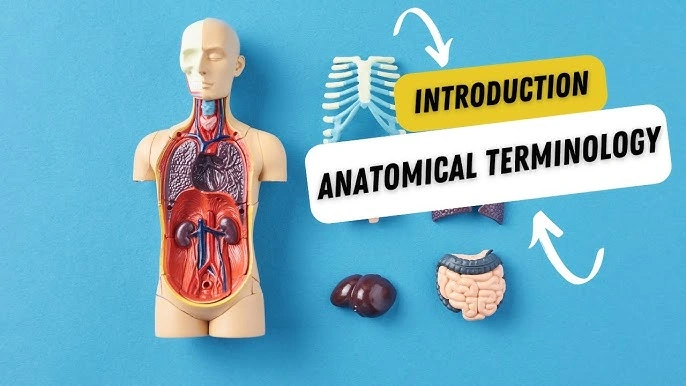
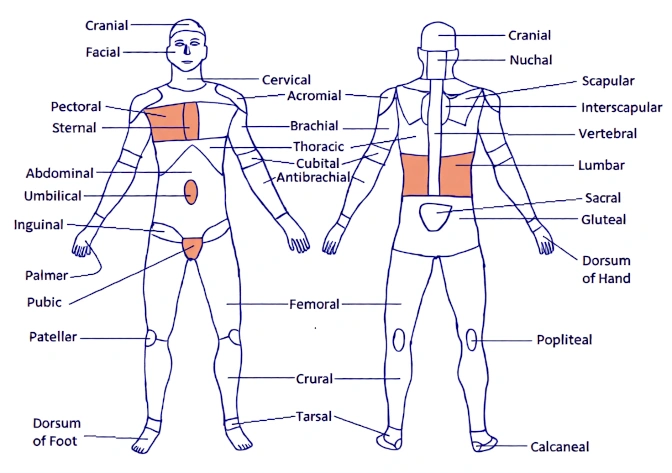
Anatomy is a cornerstone of medical education, offering crucial insights into the structure of the human body. This introduction to terminology will equip students with the essential language needed for future medical studies and clinical practice. ddo-

Joint overview
11:15 - 12:00 Mar 10, 2026

Joint overview

Joints are crucial anatomical structures that connect bones, allowing for both stability and movement throughout the body. A comprehensive understanding of joint anatomy, physiology, and pathology is essential for effective clinical practice in medicine. ddo-

Joints of the upper extremty
15:00 - 15:45 Mar 12, 2026

Joints of the upper extremty

The upper extremity consists of various joints that allow for a wide range of movements necessary for daily activities. From the flexible shoulder joint to the intricate joints of the hand, understanding their anatomy and function is vital for diagnosing and treating related conditions. ddo-

Joints of the vertebral column and thorax
11:15 - 12:00 Mar 24, 2026

Joints of the vertebral column and thorax

The vertebral column and thorax are critical structures that provide both support and protection to the body. The vertebral column consists of individual vertebrae connected by various joints, while the thorax encompasses the sternum and ribs, all playing vital roles in movement, stability, and safeguarding essential organs. ddo-

Latin alphabet and its rules
09:25 - 10:10 Feb 10, 2026

Latin alphabet and its rules

As one of the first pillars of medical education, anatomy provides a detailed understanding of the body’s systems. This introduction focuses on essential terminology, helping students build a strong foundation for future clinical knowledge. ddo-

Neurocranium
10:20 - 11:05 Feb 23, 2026

Neurocranium

The neurocranium is the bony structure that encases and safeguards the brain, forming an essential part of the skull. Understanding its development and integrity is crucial for studying central nervous system anatomy and associated pathologies. ddo-

Overview of the bones
13:10 - 13:55 Feb 11, 2026

Overview of the bones

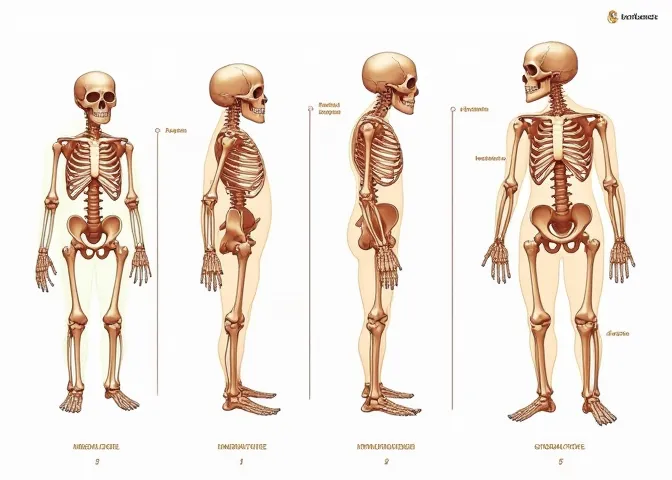
Bones are essential components of the human body, providing structure, protection, and facilitating movement. This overview will delve into the primary categories of bones and their significance in both everyday function and clinical anatomy. ddo-

Pelvic skeleton
13:30 - 14:15 Feb 13, 2026

Pelvic skeleton

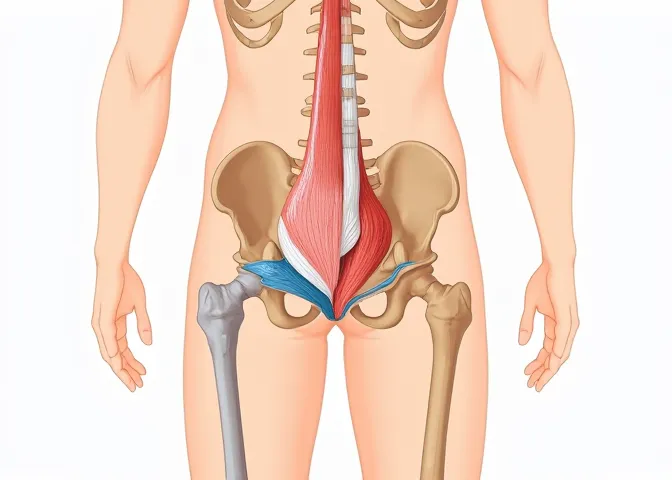
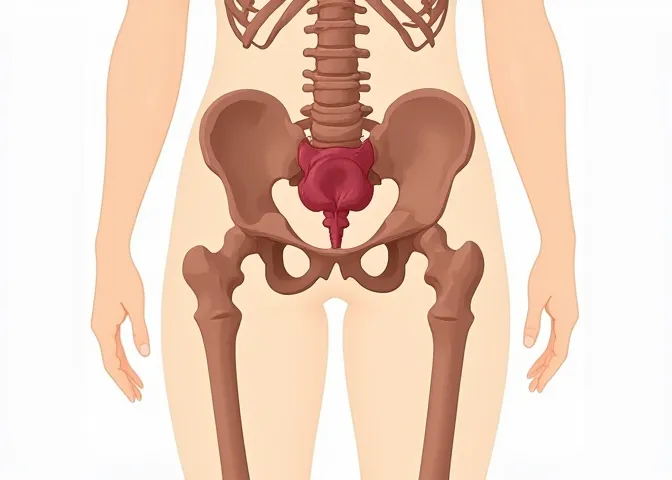
The pelvic skeleton is a vital component of the human anatomy, acting as a sturdy base for the upper body while safeguarding the pelvic organs. A comprehensive understanding of its structure and function is critical for insights into pelvic stability, gait mechanics, and various pelvic pathologies. ddo-

Splanchnocranium
08:30 - 09:15 Feb 24, 2026

Splanchnocranium

The splanchnocranium forms the bony structure that arises from the foregut and hindgut regions, playing a crucial role in the overall architecture of the human torso. This lecture will explore its intricate anatomy, developmental processes, and functional importance in supporting visceral organs. ddo-

Vertebral column ribs sternum
08:30 - 09:15 Feb 17, 2026

Vertebral column ribs sternum

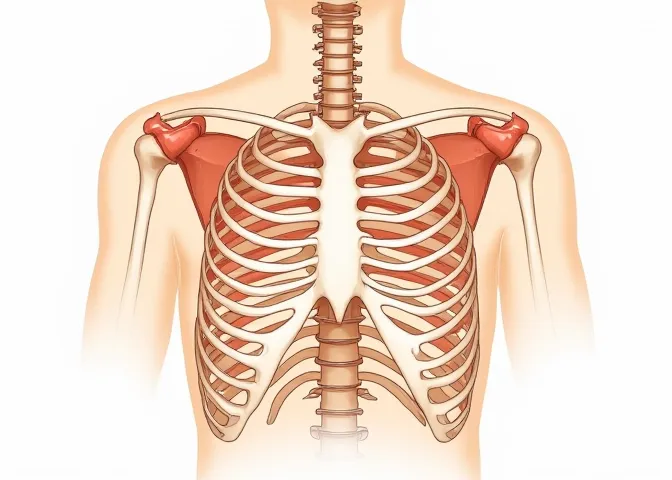
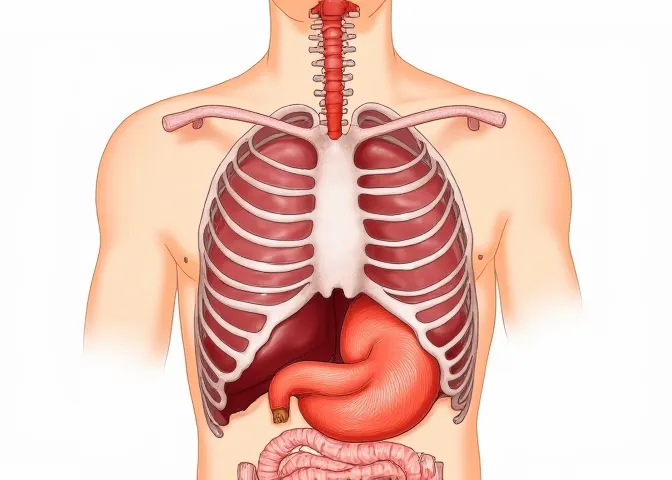
The vertebral column, ribs, and sternum are integral components of the human thoracic skeleton, providing structural support and protection to the vital organs located within the thoracic cavity. This lecture will explore their anatomy, functions, and clinical significance. ddo-

The characteristics of hypothesis tests and one-sample tests
13:10 - 13:55 Feb 09, 2026

The characteristics of hypothesis tests and one-sample tests

Hypothesis testing is a critical tool in medicine, allowing researchers to assess the effectiveness of treatments and determine the statistical significance of their findings. One-sample tests are particularly useful for comparing a single group's parameter against a known standard, helping to evaluate whether new interventions meet established benchmarks. ddo-

Significance tests for more than two dependent samples
15:55 - 16:40 Mar 05, 2026

Significance tests for more than two dependent samples

Significance tests for more than two dependent samples are essential in medical research, particularly when assessing the effects of treatments or interventions across multiple measurements within the same subjects. These tests help determine whether observed differences in measurements are statistically significant, guiding clinical decision-making. ddo-

Bone tissue cells
15:00 - 15:45 Feb 12, 2026

Bone tissue cells

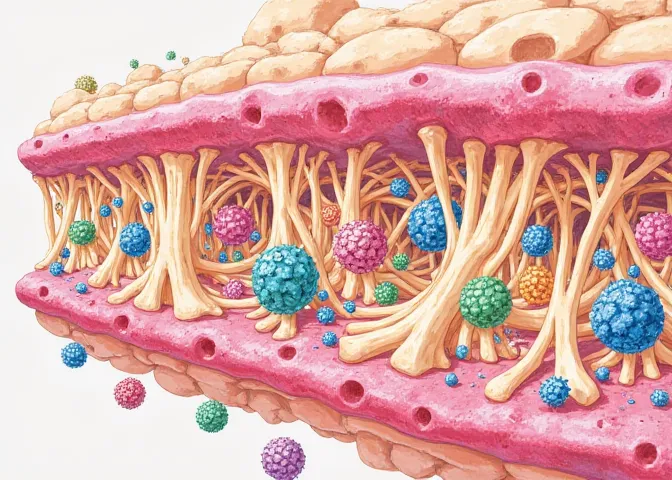
Bone tissue is a complex and dynamic structure, essential for various physiological functions in the body. It is composed of specialized cells that play crucial roles in its formation, maintenance, and remodeling. ddo-

Compact and cancellous bone
15:00 - 15:45 Feb 16, 2026

Compact and cancellous bone

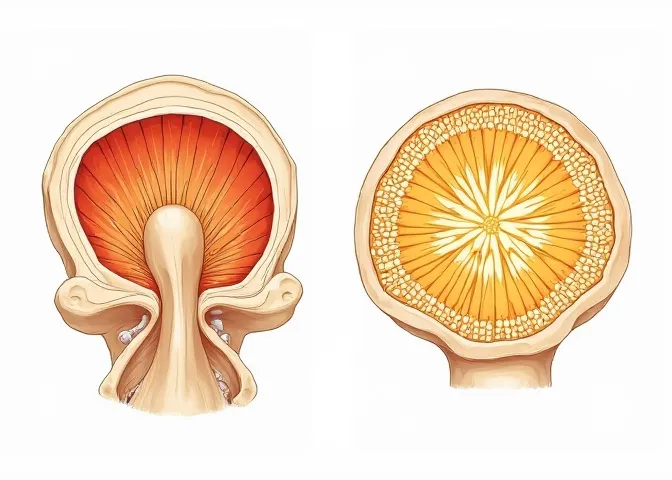
Compact and cancellous bone are two distinct types of bone tissue that play critical roles in the human skeletal system. Compact bone provides strength and support, while cancellous bone contributes to metabolic activities such as blood cell production. ddo-

Development of the skeletal system
14:05 - 14:50 Feb 12, 2026

Development of the skeletal system

The skeletal system is a complex structure that forms during embryogenesis through mesenchymal condensations. This process involves various stages of differentiation, ultimately resulting in the formation of bones that provide structural support and protection. ddo-

Elastic cartilage fibrous cartilage
14:05 - 14:50 Feb 10, 2026

Elastic cartilage fibrous cartilage

Elastic cartilage and fibrous cartilage are two distinct types of connective tissue that serve specific roles in the human body. While both contribute to the structural integrity of various organs, they differ in composition, location, and function. ddo-

Osteogenesis
15:55 - 16:40 Feb 16, 2026

Osteogenesis

Osteogenesis is a vital biological process that governs the formation and growth of bone tissue throughout an organism's life. It involves complex cellular mechanisms that are essential for skeletal development, repair, and understanding bone-related diseases. ddo-

Bandage and tourniquet application
11:15 - 12:00 Feb 09, 2026

Bandage and tourniquet application

Mastering effective wound care, including bandage application, is fundamental to managing trauma and promoting healing in clinical practice. Proficiency in tourniquet use is critical for rapidly controlling severe hemorrhage, a life-threatening condition requiring immediate intervention. ddo-

Neck protector application
10:20 - 11:05 Feb 09, 2026

Neck protector application

Neck protectors are vital devices that play a significant role in safeguarding the cervical spine during medical interventions and trauma cases. This lecture delves into their applications, indications, and the critical importance they hold in ensuring patient safety and preventing neurological injuries. ddo-

Newborn resuscitation in the delivery room
11:15 - 12:00 Feb 10, 2026

Newborn resuscitation in the delivery room

Newborn resuscitation in the delivery room is a critical skill that can dramatically alter the outcomes for infants in distress. Timely and proficient intervention is essential to ensure the survival and health of vulnerable newborns during this pivotal moment. ddo-

Removing tick
13:10 - 13:55 Mar 03, 2026

Removing tick

Ticks are significant vectors for numerous serious human diseases, making their safe removal a crucial skill for clinicians and public health practitioners alike. This lecture focuses on the essential techniques and knowledge required to effectively and safely remove ticks to prevent potential disease transmission and minimize patient discomfort. ddo-
Congenital hip dislocation
09:25 - 10:10 Mar 09, 2026

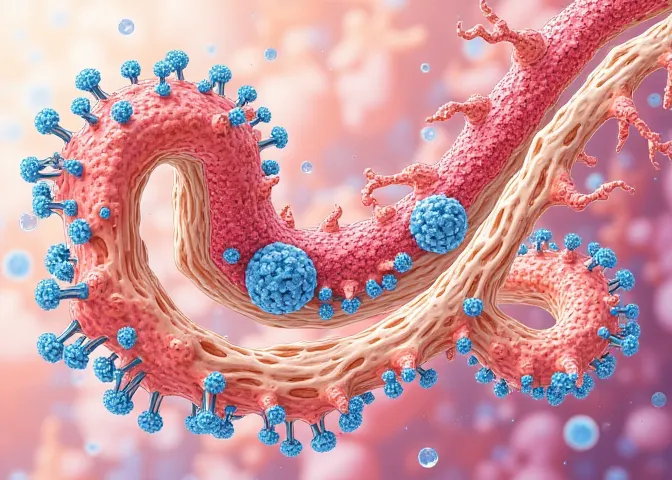
Congenital hip dislocation

Congenital hip dislocation, also known as developmental dysplasia of the hip (DDH), is a common condition that can lead to significant musculoskeletal complications if left untreated. This lecture will explore the underlying causes, the mechanisms involved, methods for diagnosis, and current management strategies for this condition. ddo-
Most common fractures by age range
10:20 - 11:05 Feb 26, 2026

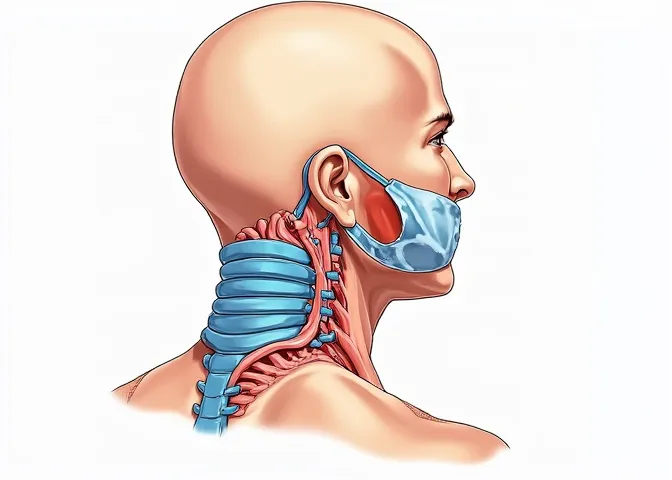
Most common fractures by age range

Understanding the epidemiology of fractures is vital in medicine, as the incidence and type of fractures vary significantly across different age groups. This lecture will explore the most common types of fractures observed in various age ranges, highlighting the distinct mechanisms and causes behind them. ddo-

Communication: Concept and definition
09:25 - 10:10 Feb 12, 2026

Communication: Concept and definition

Communication is the cornerstone of effective healthcare delivery, facilitating the exchange of essential information among patients, families, and healthcare professionals. It plays a vital role in ensuring that all parties can express concerns and make informed decisions regarding health and treatment. ddo-
History of communication
10:20 - 11:05 Feb 12, 2026

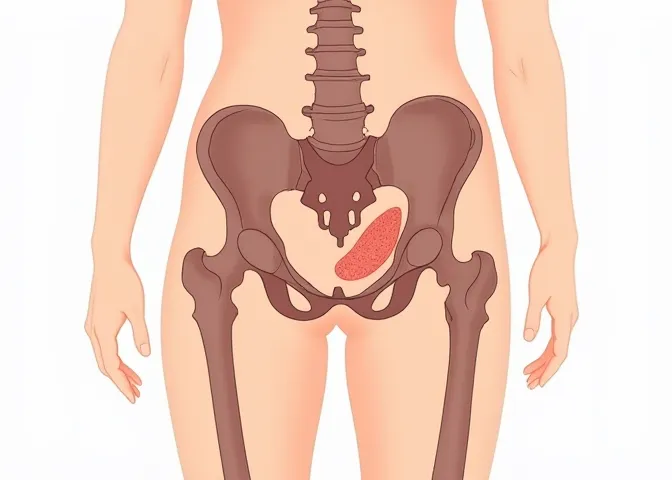
History of communication

The history of communication in medicine highlights its essential role in healing practices throughout the ages. From ancient gestures to intricate dialogues, effective communication has been vital for accurate diagnosis and comprehensive patient care. ddo-
Interpersonal communication
13:10 - 13:55 Feb 19, 2026
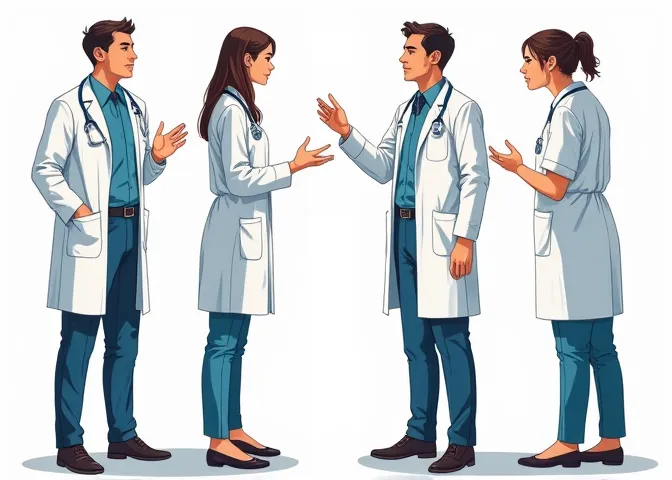
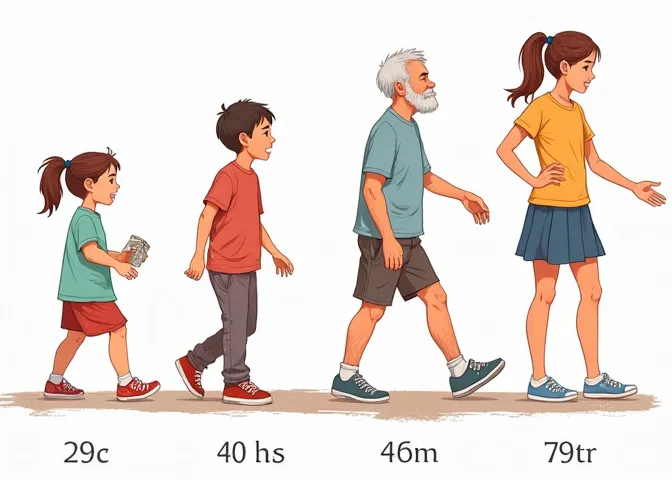
Interpersonal communication

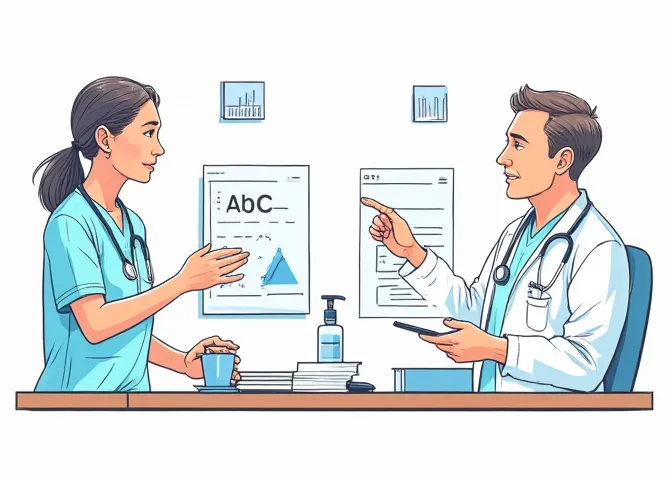
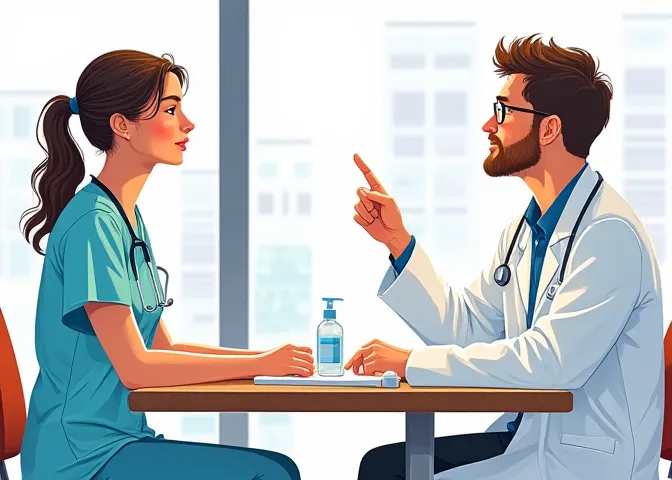
Interpersonal communication is a critical skill in healthcare that enhances patient care and fosters strong relationships between doctors and patients. This lecture will delve into the components and strategies necessary for effective communication in a complex medical environment. ddo-

Mass communication
13:10 - 13:55 Feb 17, 2026

Mass communication

Mass communication is essential for conveying health information and public health messages to vast audiences. For physicians and health professionals, grasping the core principles of mass communication is vital to successfully navigate the intricate media landscape. ddo-

Types of communication
10:20 - 11:05 Feb 13, 2026

Types of communication

Effective communication is essential in the field of medicine, as it significantly influences patient care, teamwork, and the accuracy of diagnoses. By understanding the different types of communication, healthcare professionals can improve their interactions with patients and colleagues, ultimately leading to better healthcare outcomes. ddo-