Search Results
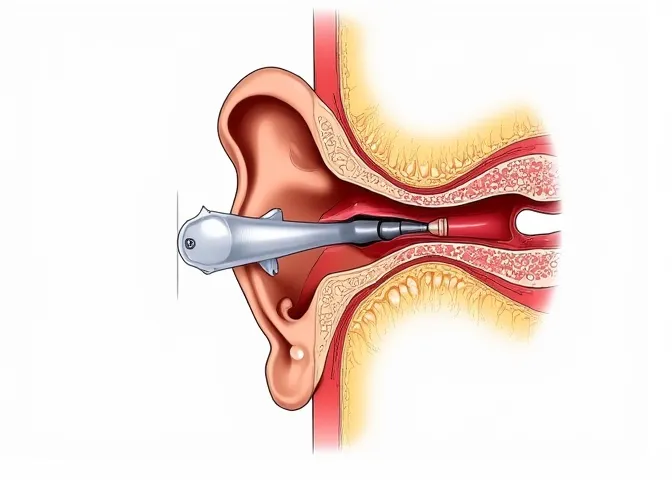
Anatomy of ear
10:20 - 11:05 Apr 02, 2026

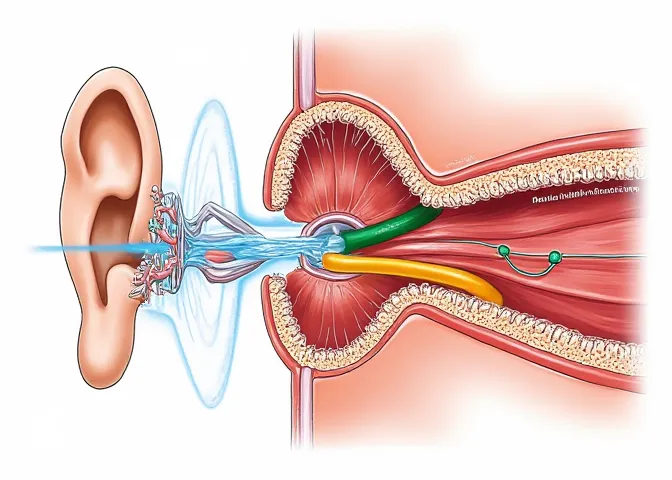
Anatomy of ear

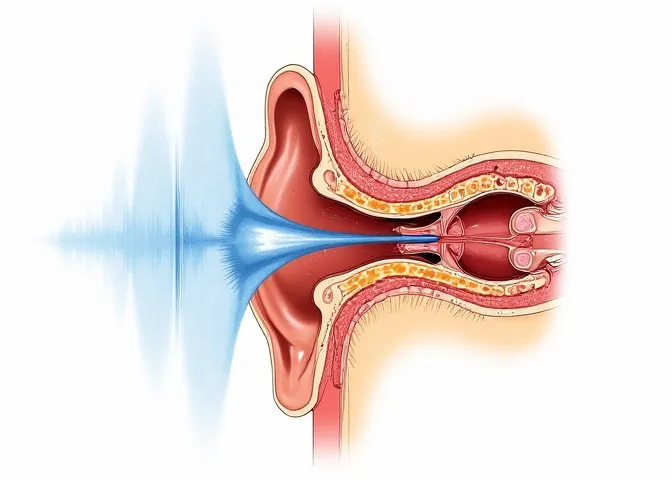
The human ear is a complex organ crucial for hearing and maintaining balance. It consists of three primary sections: the external, middle, and inner ear. Understanding its detailed anatomy is fundamental to grasping auditory and vestibular function and impacting clinical practice. ddo-
Anatomy of eye
13:10 - 13:55 Mar 23, 2026

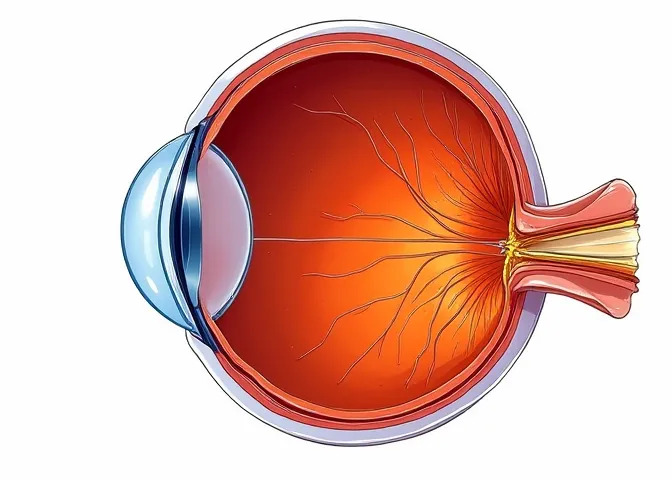
Anatomy of eye

The human eye is a remarkable organ that plays a crucial role in our ability to see and interpret the world around us. Understanding its anatomy is essential for medical students, as it lays the groundwork for diagnosing and treating various ocular conditions. ddo-

Ascending pathways
15:00 - 15:45 Feb 26, 2026

Ascending pathways

Ascending pathways are essential neural tracts that transmit sensory information from the body to the brain. They play a critical role in processing sensations such as pain, temperature, and touch, ultimately facilitating conscious perception in the cerebral cortex. ddo-

Basal ganglia
09:25 - 10:10 Mar 10, 2026

Basal ganglia

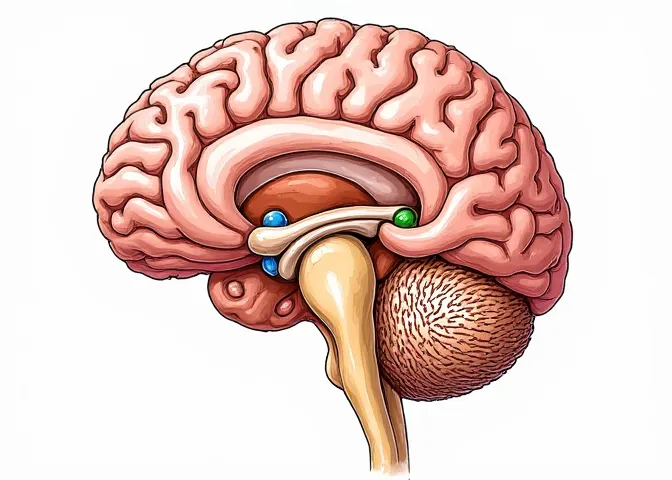
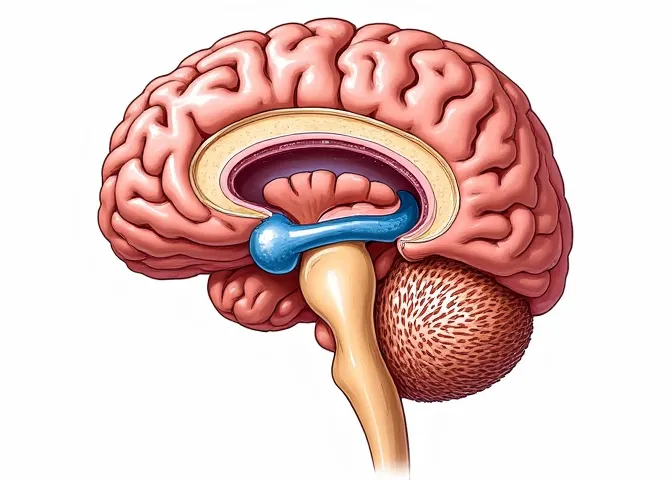
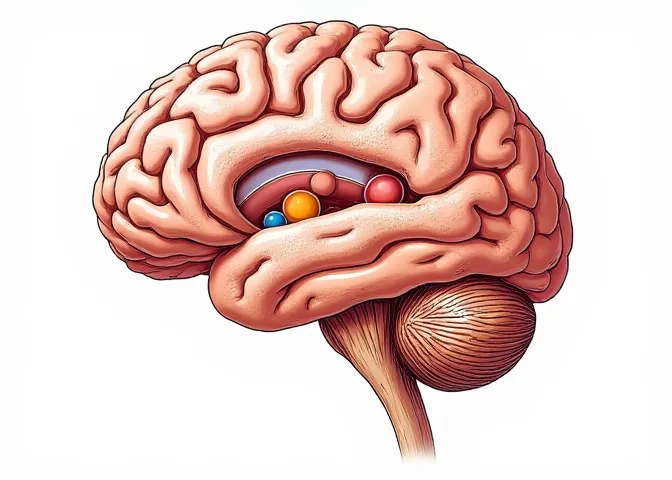
The basal ganglia are a collection of nuclei located in the ventral region of the brain, essential for regulating motor control and facilitating procedural learning. Understanding their structure and function is vital, as dysfunction in these areas can lead to various movement disorders. ddo-

Cerebellum
13:10 - 13:55 Feb 26, 2026

Cerebellum

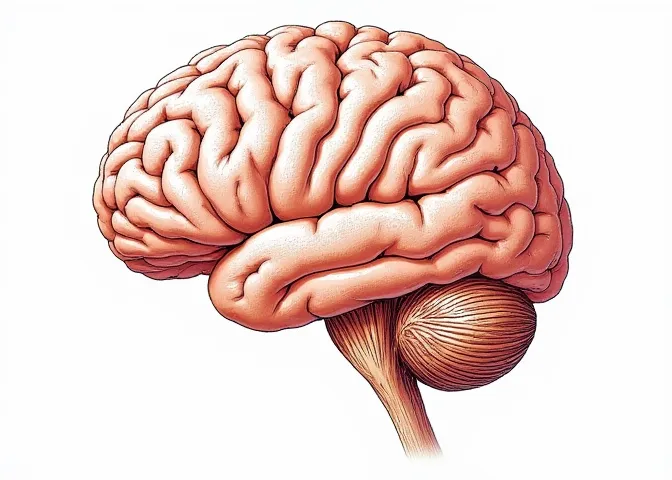
The cerebellum, situated at the base of the brain, is essential for coordinating voluntary movements and maintaining posture. Its influence extends beyond motor functions, as it is also involved in cognitive and emotional processes. ddo-

Cranial nerves I-VI
15:00 - 15:45 Mar 03, 2026

Cranial nerves I-VI

Cranial nerves I through VI are essential components of the nervous system, emerging directly from the base of the brain. These nerves play crucial roles in sensory perception and motor function, impacting areas such as smell, sight, and eye movement. ddo-

Cranial nerves VII-XII
08:30 - 09:15 Mar 05, 2026

Cranial nerves VII-XII

Cranial nerves VII through XII play essential roles in various functions, including facial sensation, hearing, swallowing, and speech. A thorough understanding of their anatomy and functions is crucial for diagnosing clinical syndromes associated with impairments in these pathways. ddo-

Diencephalon
13:10 - 13:55 Mar 09, 2026

Diencephalon

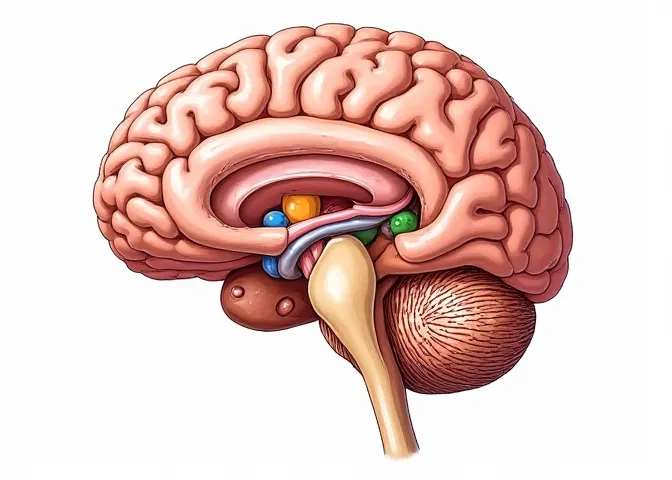
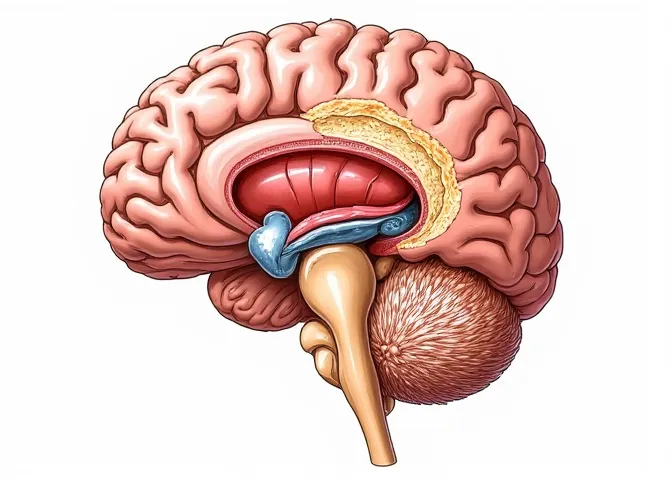
The diencephalon is an essential part of the brain located above the brainstem, consisting of vital structures such as the thalamus, hypothalamus, and epithalamus. It serves as a central relay center that integrates sensory and autonomic information, playing a crucial role in consciousness, endocrine regulation, and motor control. ddo-

Descending pathways
15:00 - 15:45 Mar 02, 2026

Descending pathways

Descending pathways are essential neural circuits that transmit motor commands and modulate sensory information from the brainstem and cortex to the nervous system. Their understanding is vital for comprehending normal movement control as well as the mechanisms behind conditions such as spasticity and neuropathic pain. ddo-

Hearing and Balance pathways
11:15 - 12:00 Apr 03, 2026

Hearing and Balance pathways

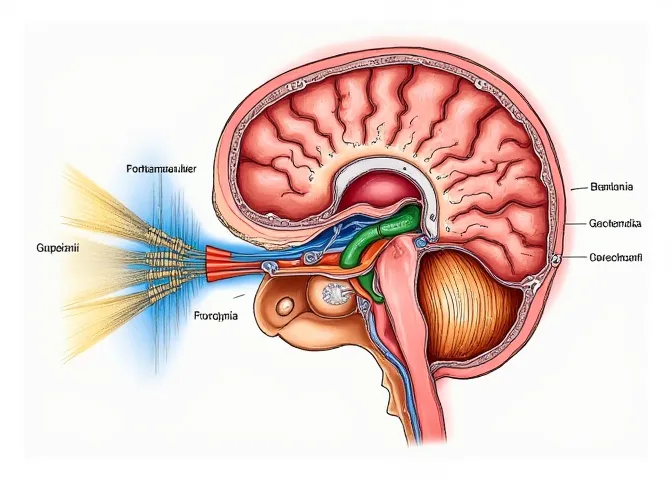
The auditory and vestibular systems play pivotal roles in our perception of sound and maintenance of balance. These systems work together through intricate neural pathways to transduce sensory information into signals that the brain can interpret, ensuring our spatial orientation and motor control. ddo-

Mesencephalon
08:30 - 09:15 Feb 24, 2026

Mesencephalon

The mesencephalon, also known as the midbrain, plays a pivotal role in the brainstem as a major conduit for neural signals. It is essential for various functions including visual and auditory processing, motor control, and autonomic regulation. ddo-

Medulla oblongata
15:00 - 15:45 Feb 23, 2026

Medulla oblongata

The medulla oblongata is a crucial structure located at the lower end of the brainstem. It acts as a key relay station between the brain and spinal cord, overseeing vital autonomic functions necessary for survival. ddo-

Meninges Sinuses
11:15 - 12:00 Mar 05, 2026

Meninges Sinuses

The meninges are protective membranes that envelop the brain and spinal cord, playing a crucial role in central nervous system protection. Among these layers, the sinuses are venous channels that facilitate the drainage of blood from the brain. This lecture will explore the anatomy, function, and clinical significance of the meninges and their associated sinuses. ddo-

Olfactory pathways and Limbic System
09:25 - 10:10 Apr 06, 2026

Olfactory pathways and Limbic System

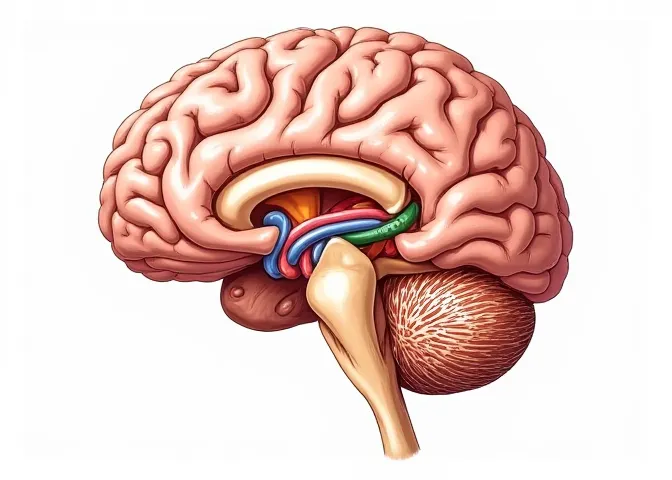
Olfactory pathways provide a unique direct connection from the environment to the limbic system, allowing for immediate processing of smells. This bypass of cortical stages highlights the importance of olfaction in linking sensory experiences with emotions and memories. ddo-

Pons
15:55 - 16:40 Feb 23, 2026

Pons

The pons is a crucial component of the brainstem, functioning as a major relay station that connects various parts of the brain. It is essential for several vital functions, including breathing regulation, sleep control, and facial sensation. ddo-

Spinal cord anatomy
14:05 - 14:50 Feb 23, 2026

Spinal cord anatomy

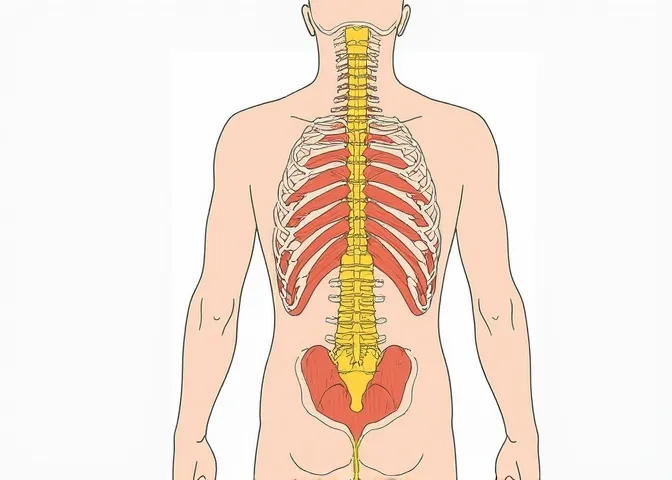
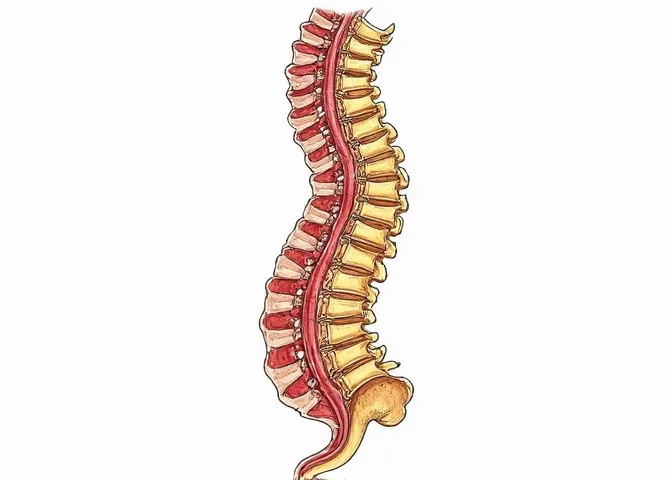
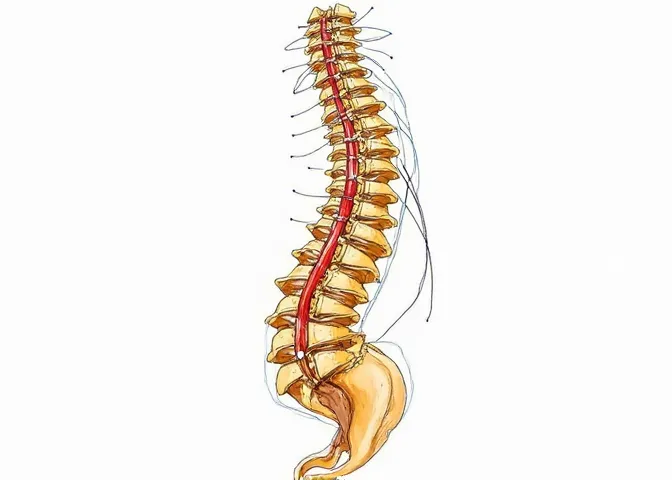
The spinal cord is a vital structure within the central nervous system, extending through the vertebral column. It plays a crucial role in transmitting neural signals that govern movement, sensation, and autonomic functions across the body. ddo-

Sympathetic and parasympathetic nervous system
15:00 - 15:45 Apr 07, 2026

Sympathetic and parasympathetic nervous system

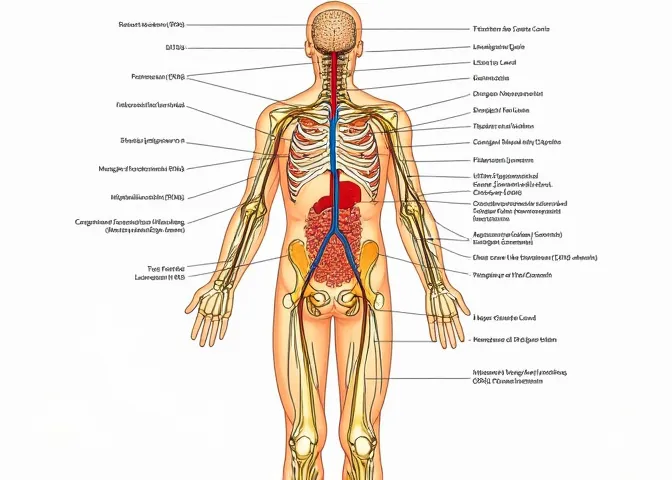
The sympathetic and parasympathetic nervous systems are two critical components of the autonomic nervous system, responsible for regulating involuntary physiological functions. They work in tandem to maintain homeostasis, with the sympathetic system preparing the body for 'fight or flight' responses, while the parasympathetic system promotes 'rest and digest' activities. ddo-

Vasculature of CNS
10:20 - 11:05 Mar 17, 2026

Vasculature of CNS

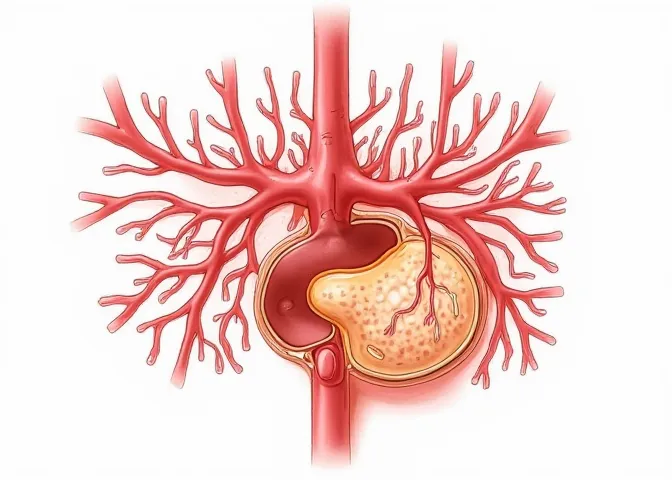
The central nervous system (CNS) relies on a complex network of blood vessels that are vital for its function and integrity. This vasculature is not only responsible for delivering essential nutrients and oxygen but also features unique structures such as the blood-brain barrier, which protects the brain from harmful substances. ddo-

Visual pathways and reflexes
15:00 - 15:45 Mar 24, 2026

Visual pathways and reflexes

Vision is a critical sensory modality that enables interaction with the environment and plays a fundamental role in clinical assessment. This lecture delves into the complex anatomical pathways that transmit visual information from the retina to the cortex, and highlights the significance of corneal and pupillary light reflexes in evaluating brainstem and cranial nerve function. ddo-

White matter of the brain hemispheres
11:15 - 12:00 Mar 17, 2026

White matter of the brain hemispheres

The white matter of the brain hemispheres is composed of myelinated nerve fibers that play a key role in communication between different regions of the brain. Its intricate structure allows for the efficient transmission of information within the central nervous system, making it essential for numerous cognitive functions. ddo-

Head trauma
11:15 - 12:00 Apr 09, 2026

Head trauma

Head trauma is a significant contributor to preventable deaths and long-term disabilities globally. It necessitates prompt and precise evaluation to mitigate its effects and improve patient outcomes. ddo-

Spinal Cord Injury
10:20 - 11:05 Apr 09, 2026

Spinal Cord Injury

Spinal Cord Injury (SCI) involves damage to the spinal cord, which can arise from various causes such as trauma, diseases, or congenital issues. This injury disrupts the communication pathways between the brain and body, potentially leading to significant and lasting neurological deficits. ddo-

Biophysics of Neurodegenerative Diseases
13:10 - 13:55 Mar 12, 2026

Biophysics of Neurodegenerative Diseases

The biophysics of neurodegenerative diseases examines the essential physical principles that lead to the misfolding and aggregation of proteins, which contribute to cellular toxicity. This understanding is vital for the advancement of innovative diagnostic and therapeutic approaches aimed at combating disorders like Alzheimer's and Parkinson's disease. ddo-

Biophysics of Vision: Photon-Molecule Interaction
13:10 - 13:55 Mar 16, 2026

Biophysics of Vision: Photon-Molecule Interaction

Vision is a complex process that begins with the interaction of photons and photopigment molecules in the retina. This interaction triggers biochemical changes that lead to the electrical signals interpreted as sight, underscoring the importance of understanding the biophysics of these interactions. ddo-
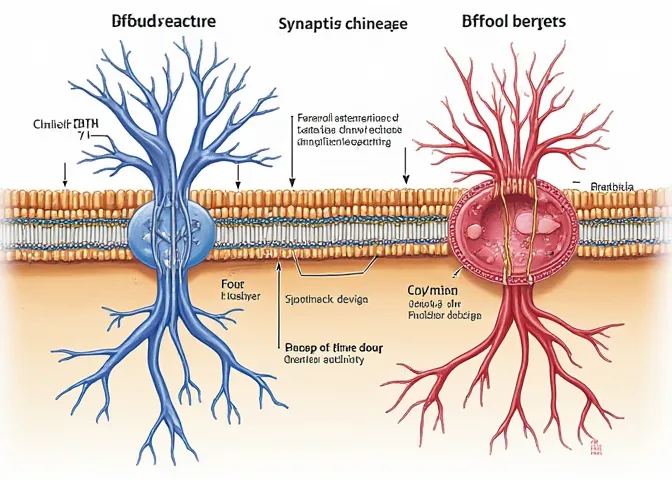
Effects of Ionizing Radiation on DNA and Cells
15:00 - 15:45 Mar 30, 2026

Effects of Ionizing Radiation on DNA and Cells

Ionizing radiation poses significant risks to cellular integrity by damaging DNA directly or generating free radicals that affect genetic material. Understanding these effects is crucial for comprehending the broader implications of radiation exposure on health and disease. ddo-

Imaging Physics: MRI fMRI PET SPECT OCT
13:10 - 13:55 Apr 06, 2026

Imaging Physics: MRI fMRI PET SPECT OCT

This lecture note covers the fundamental principles of various imaging modalities used in medicine, including MRI, fMRI, PET, SPECT, and OCT. Understanding the physics behind these techniques is essential for interpreting medical images and enhancing diagnostic capabilities. ddo-
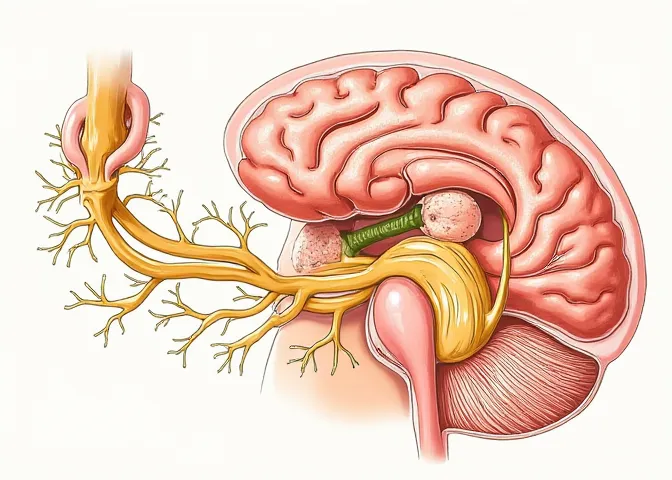
Radiotherapy Physics: Photon Proton and Hadron Therapies
15:00 - 15:45 Apr 03, 2026

Radiotherapy Physics: Photon Proton and Hadron Therapies

Radiotherapy plays a critical role in the treatment of cancer, utilizing various types of radiation to target and destroy malignant cells. This lecture will focus on three key modalities: photon therapy, proton therapy, and hadron therapy, examining their physical principles, clinical applications, and comparative advantages. ddo-
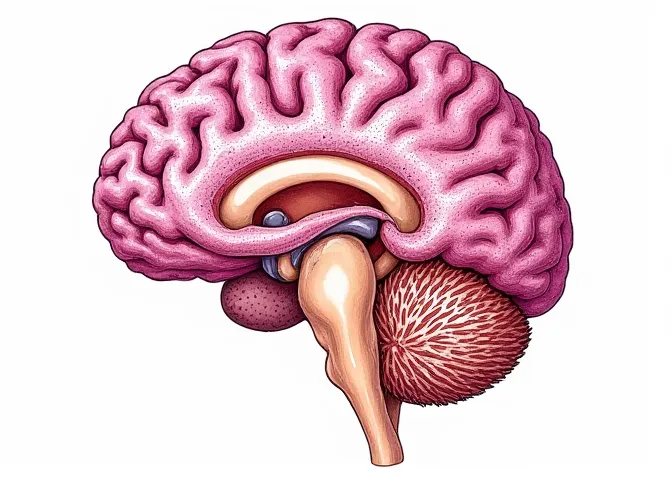
Therapeutic Biophysics Methods (HIFU Photodynamic Therapy)
13:10 - 13:55 Apr 07, 2026

Therapeutic Biophysics Methods (HIFU Photodynamic Therapy)

Therapeutic biophysics methods, particularly High-Intensity Focused Ultrasound (HIFU) and Photodynamic Therapy (PDT), are innovative approaches used in modern medicine for treating various conditions, including tumors. These techniques leverage physical principles to enhance therapeutic outcomes while minimizing damage to surrounding tissues. ddo-
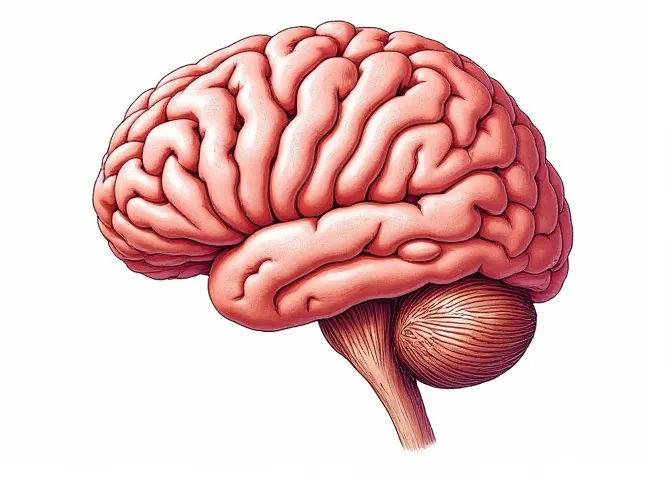
Development of the nervous system
15:00 - 15:45 Mar 27, 2026
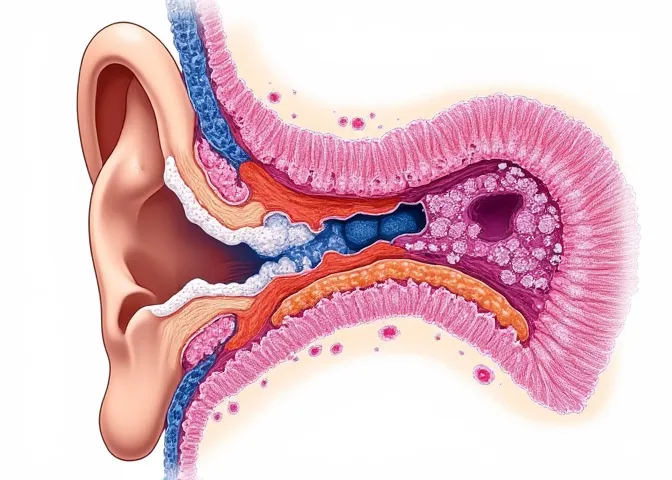
Development of the nervous system

The development of the nervous system is a critical process that begins early in embryogenesis. It involves the formation of the neural tube from ectodermal tissue, leading to the establishment of both the central and peripheral nervous systems. ddo-

Histology of cerebellum
09:25 - 10:10 Mar 03, 2026

Histology of cerebellum

The cerebellum is essential for coordinating voluntary movements and maintaining posture and balance. Its distinct histological architecture, including a unique arrangement of neurons and glial cells, is crucial for understanding its function and the implications for various neurological disorders. ddo-

Histology of cerebrum
14:05 - 14:50 Mar 02, 2026

Histology of cerebrum

The cerebrum, the largest part of the brain, is crucial for higher cognitive functions. Its intricate histological structure, comprising distinct layers of the cerebral cortex and extensive white matter tracts, underpins its diverse roles in human behavior and processing. ddo-

Histology of the ear
08:30 - 09:15 Mar 12, 2026

Histology of the ear

Histology examines the microscopic structure of the ear, providing detailed insights into its complex anatomy and physiology. This lecture will focus on the cellular and tissue components of the outer, middle, and inner ear, highlighting key histological features. ddo-

Histology of PNS
13:10 - 13:55 Mar 02, 2026

Histology of PNS

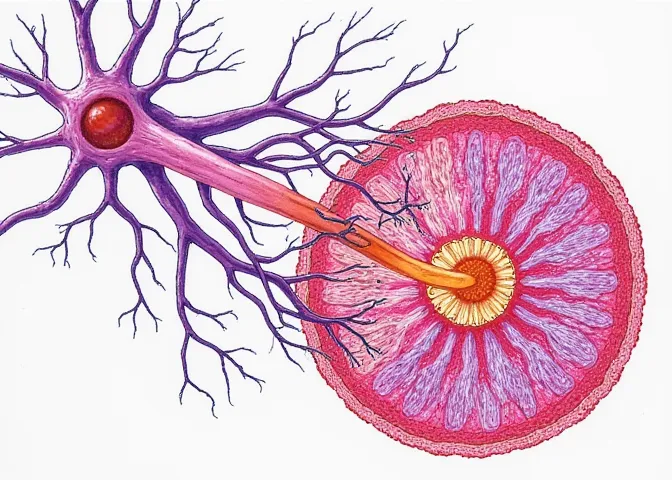
The histology of the peripheral nervous system (PNS) reveals a complex network of nerves comprising elongated Schwann cells that play a critical role in signal transmission and coordination throughout the body. By examining the cellular and structural components at the microscopic level, we can gain valuable insights into the function and potential pathologies of the PNS. ddo-

Histology of spinal cord
13:10 - 13:55 Feb 27, 2026

Histology of spinal cord

The spinal cord is a vital structure within the vertebral column that plays a key role in transmitting sensory and motor information throughout the body. Understanding its histological organization is essential for grasping how it functions and the implications of various pathologies. ddo-

Histology of the skin and annexes
15:00 - 15:45 Mar 17, 2026

Histology of the skin and annexes

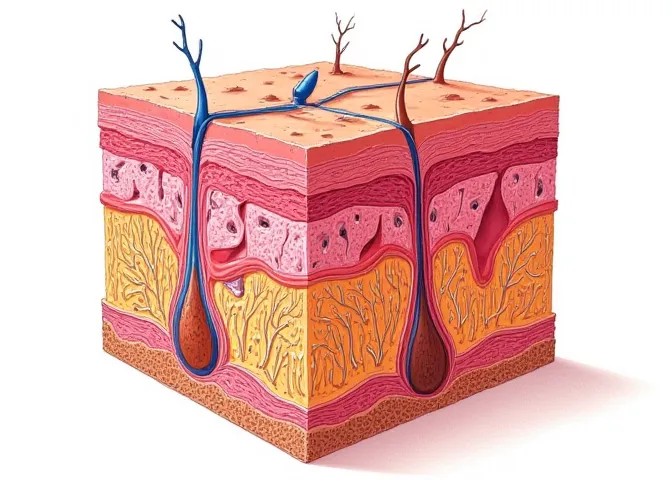
The skin is the body's largest organ, providing essential protection and functionality. Its complex histological structure, comprising the epidermis, dermis, and associated appendages, plays a critical role in maintaining homeostasis and overall health. ddo-

Neuroglia meninges cerebrospinal fluid
09:25 - 10:10 Feb 26, 2026

Neuroglia meninges cerebrospinal fluid

This lecture note provides an overview of the neuroglia, meninges, and cerebrospinal fluid (CSF), highlighting their essential roles in supporting and protecting the central nervous system. Understanding these components is crucial for comprehending the overall function and health of the brain and spinal cord. ddo-

Nerve tissue neurons
09:25 - 10:10 Feb 24, 2026

Nerve tissue neurons

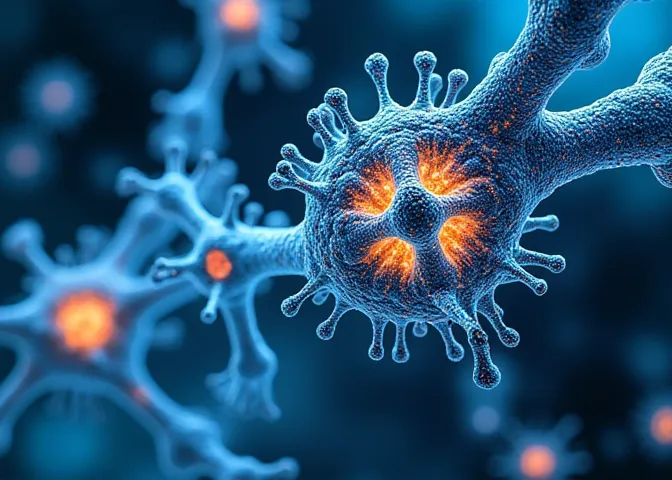
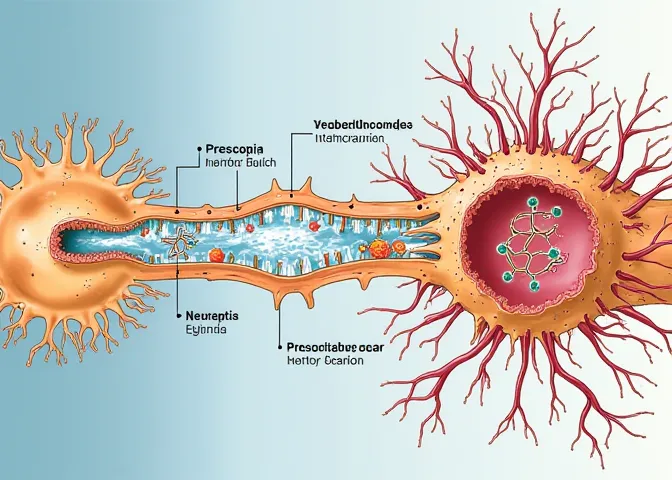
Nerve tissue is a vital component of the nervous system, primarily composed of neurons and glial cells. Neurons are specialized cells responsible for transmitting information throughout the body, playing a crucial role in communication, reflexes, and overall function of the nervous system. ddo-

Basal ganglia and motor functions
15:55 - 16:40 Mar 12, 2026

Basal ganglia and motor functions

The basal ganglia are a group of nuclei located deep within the brain, playing a vital role in the control of motor functions. They are essential for the initiation, execution, and refinement of movements, and their dysfunction is linked to several movement disorders, including Parkinson's disease. ddo-

Cerebral cortex brain Mental Functions
08:30 - 09:15 Mar 16, 2026

Cerebral cortex brain Mental Functions

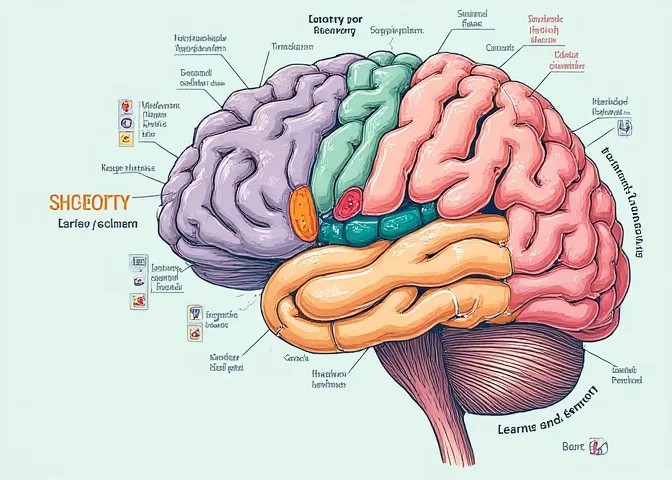
The cerebral cortex is the outermost layer of the brain and plays a crucial role in various mental functions. It is involved in processes such as perception, cognition, and decision-making, which are essential for human behavior and interaction. ddo-

Cerebellum and motor functions
15:00 - 15:45 Mar 09, 2026

Cerebellum and motor functions

The cerebellum is a vital structure located at the base of the brain, essential for the coordination of voluntary motor movements, maintaining posture and balance, and refining motor skills. A comprehensive understanding of its functions and anatomical connections is crucial for both appreciating normal motor control and diagnosing movement disorders. ddo-

Control of motor function by cortex
15:00 - 15:45 Mar 10, 2026

Control of motor function by cortex

The primary motor cortex is crucial for initiating and executing voluntary movements, serving as the final common pathway for motor commands. A deep understanding of its organization and dynamics is essential for grasping the complexities of human motor control and neurological function. ddo-

Geriatric Physiology
13:10 - 13:55 Apr 20, 2026

Geriatric Physiology

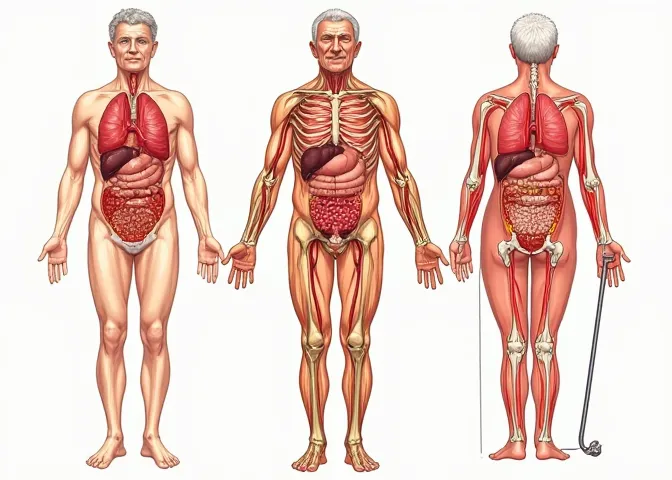
Geriatric physiology focuses on the physiological changes that occur as individuals age, affecting all organ systems and their response to various stimuli. Understanding these changes is essential for managing age-related diseases and enhancing the quality of life for older adults. ddo-

Learning and Memory
08:30 - 09:15 Mar 17, 2026

Learning and Memory

Learning and memory are crucial cognitive processes that allow individuals to acquire knowledge and retain information, which are vital in medical practice. Understanding these mechanisms helps in appreciating how clinical experiences enhance physician competence and how therapeutic interventions can influence memory function. ddo-

Organization of the Nervous System
10:20 - 11:05 Feb 23, 2026

Organization of the Nervous System

The organization of the nervous system is essential for understanding how the body processes information and coordinates responses. It is divided into two main divisions: the central nervous system (CNS) and the peripheral nervous system (PNS), each playing a crucial role in sensory processing, organ regulation, and voluntary movement. ddo-

Physiology of Hearing and Balance
13:10 - 13:55 Apr 17, 2026

Physiology of Hearing and Balance

The physiology of hearing and balance involves intricate mechanisms that translate sound waves and body movements into signals the brain can understand. The ear's structures convert auditory stimuli into electrical impulses, while the vestibular system plays a vital role in detecting motion and maintaining equilibrium. ddo-

Physiology of Taste and Smell
15:00 - 15:45 Apr 09, 2026

Physiology of Taste and Smell

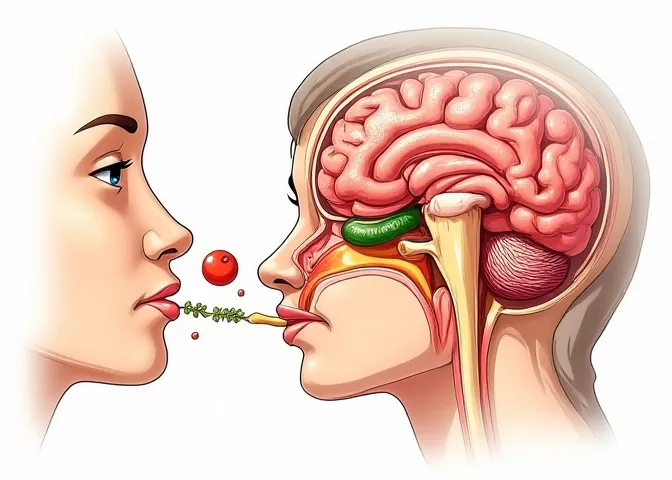
Taste and smell are critical senses that contribute to our perception of flavor and the environment. These complex sensory functions involve specialized receptors and intricate neural pathways that integrate peripheral detection with central processing in the brain. ddo-

Physiology of Vision
08:30 - 09:15 Mar 23, 2026

Physiology of Vision

Physiology of vision encompasses the mechanisms by which light is converted into neural signals, enabling us to perceive our surroundings. This intricate process begins in the retina with photoreceptors and involves various neural pathways leading to visual interpretation in the brain. ddo-

Sleep brain waves epilepsy psychoses
15:00 - 15:45 Apr 02, 2026

Sleep brain waves epilepsy psychoses

This lecture explores the intricate relationship between sleep, brain waves, epilepsy, and psychoses. Understanding these connections is crucial for both diagnosis and treatment in clinical settings, as disruptions in sleep patterns and brain wave activity can significantly impact mental health and seizure disorders. ddo-

Biochemistry of Cerebrospinal fluid (CSF)
15:00 - 15:45 Apr 14, 2026

Biochemistry of Cerebrospinal fluid (CSF)

Cerebrospinal fluid (CSF) is a vital clear, ultrafiltrate of plasma produced within the brain's ventricular system. It plays a critical role in cushioning the central nervous system and its unique biochemical composition makes it an essential component for diagnosing various neurological and neurodegenerative diseases. ddo-

Neural tissue biochemistry
11:15 - 12:00 Mar 24, 2026

Neural tissue biochemistry

Neural tissue biochemistry focuses on the molecular mechanisms that govern the brain and nervous system's functions. By studying the chemical components and reactions involved, we can gain insights into the balance of neurotransmitters, ions, and cellular metabolism, which are crucial for understanding neurological processes and diseases. ddo-

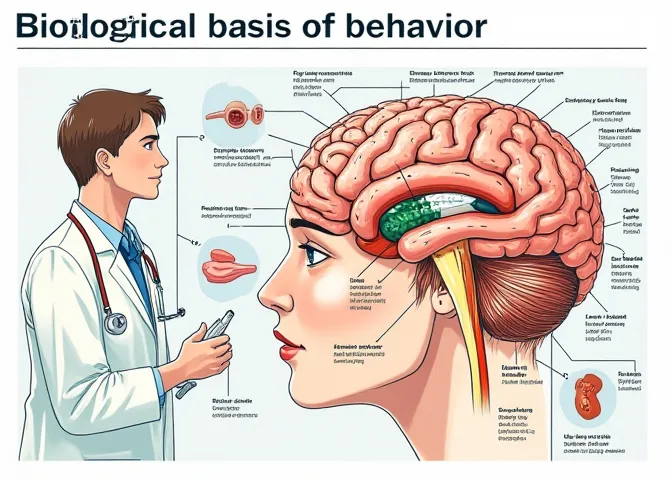
Biological basis of behavior
10:20 - 11:05 Mar 30, 2026

Biological basis of behavior

The biological basis of behavior explores the intricate connections between our genetics, neurochemistry, and evolutionary history and how they shape our actions and emotions. This understanding is essential in medicine, providing insights into the physiological mechanisms that drive both normal and pathological behaviors. ddo-

Psychiatric Semiology
10:20 - 11:05 Apr 16, 2026

Psychiatric Semiology

Psychiatric Semiology is crucial for understanding and diagnosing mental and behavioral disorders. It equips clinicians with the necessary framework for observation and classification, which is essential for effective psychiatric practice and research. ddo-

Basic Life Support-Children
15:00 - 15:45 Apr 06, 2026

Basic Life Support-Children

Pediatric Basic Life Support (BLS) is crucial for responding to emergencies involving infants and children. Due to the unique anatomical and physiological characteristics of this age group, it is important to employ specialized techniques that differ from those used in adults. ddo-