Search Results
Bites and stings
09:25 - 10:10 Sep 24, 2025

Bites and stings

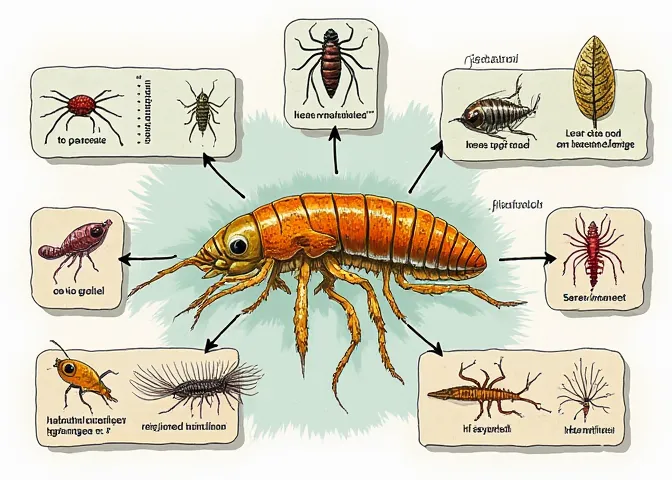
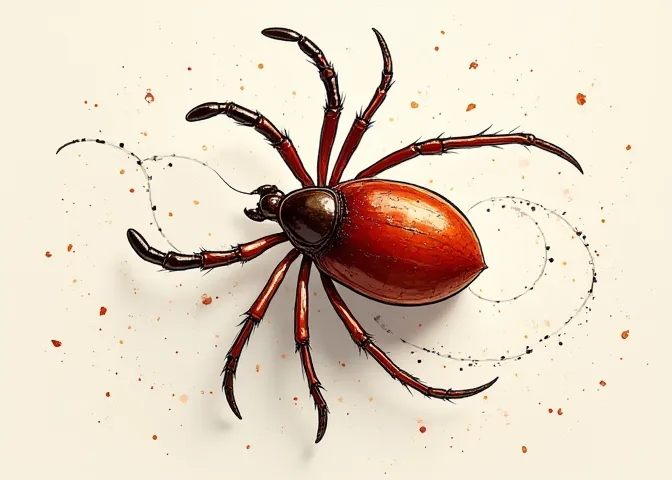
Bites and stings are frequent occurrences in clinical practice, ranging from mild irritations to serious medical emergencies. A comprehensive understanding of their causes, underlying mechanisms, and management options is essential for healthcare providers to ensure optimal patient outcomes. ddo-
Central nervous system infections
13:10 - 13:55 Sep 19, 2025

Central nervous system infections

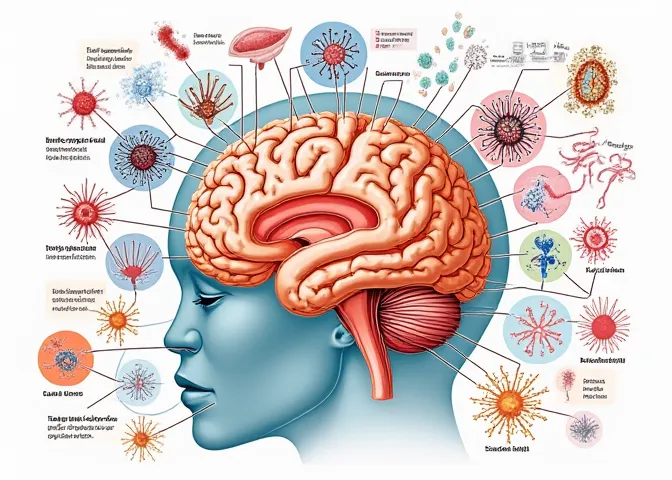
Central nervous system infections are critical medical conditions that present unique challenges due to the protective barriers surrounding the brain and spinal cord. Understanding the pathogens involved and the appropriate management strategies is essential for effective treatment. ddo-

Intrauterine infections
11:15 - 12:00 Sep 19, 2025

Intrauterine infections

Intrauterine infections pose a critical risk during pregnancy, primarily stemming from ascending bacterial flora or hematogenous routes. A comprehensive understanding of these infections is essential for obstetricians to protect maternal health and ensure better outcomes for newborns. ddo-

Meningococcemia
13:10 - 13:55 Sep 22, 2025

Meningococcemia

Meningococcemia is a life-threatening condition caused by the bacterium Neisseria meningitidis. It is characterized by the presence of the bacteria in the bloodstream and can lead to severe complications, including meningitis, if not treated promptly. ddo-

Poisonings child specific
14:05 - 14:50 Oct 02, 2025

Poisonings child specific

Child-specific poisonings are a significant concern in pediatric medicine, requiring prompt recognition and intervention. This lecture will cover common toxic agents, clinical presentations, and management strategies for poisoning in children. ddo-

Poisonings child general
13:10 - 13:55 Oct 02, 2025

Poisonings child general

Childhood poisonings remain a significant cause of emergency admissions worldwide, often occurring suddenly and within the home environment. Curious behavior, limited hazard awareness, and easy access to household chemicals or medications make young children particularly vulnerable. ddo-

Use of medical language
10:20 - 11:05 Sep 18, 2025

Use of medical language

The use of precise and accurate medical language is essential for effective communication in healthcare settings. By mastering specialized terminology, healthcare professionals can ensure clarity in diagnosis, treatment planning, and patient interactions, ultimately enhancing patient safety and reducing the risk of misunderstandings. ddo-

Approach to febrile patients
11:15 - 12:00 Sep 12, 2025

Approach to febrile patients

Fever is a significant clinical sign that often indicates an underlying infection or other pathological processes. A systematic approach to evaluating and managing febrile patients is crucial for effective medical care. ddo-

Fever and Pathogenesis
10:20 - 11:05 Sep 12, 2025

Fever and Pathogenesis

Fever is a vital physiological response that indicates the presence of an underlying disease, often signaling infection or inflammation. Understanding the pathogenesis of fever—how the body resets its temperature set point—provides insight into the immune response and its role in combating illness. ddo-

Infectious Diseases Emergencies
13:10 - 13:55 Sep 12, 2025

Infectious Diseases Emergencies

Infectious disease emergencies are situations that require rapid identification and prompt action to prevent serious complications or death. Understanding the key principles of diagnosis and management in these urgent scenarios is vital for healthcare professionals across all disciplines. ddo-

Basic Principles of Patient Communication
13:10 - 13:55 Sep 11, 2025

Basic Principles of Patient Communication

Effective patient communication is vital for high-quality medical care, as it establishes trust and rapport between clinicians and patients. By mastering the fundamental principles of patient communication, healthcare providers can deliver empathetic, clear, and culturally sensitive care, resulting in improved health outcomes and enhanced patient satisfaction. ddo-

Diagnostic methods in parasitology
10:20 - 11:05 Sep 11, 2025

Diagnostic methods in parasitology

Accurate diagnosis of parasitic infections is essential for effective patient management and controlling transmission. This lecture will cover key laboratory techniques, including microscopic examination of patient samples and serological tests, that are utilized to identify parasites in the medical field. ddo-

Mosquitoes and Their Vectors
14:05 - 14:50 Sep 11, 2025

Mosquitoes and Their Vectors

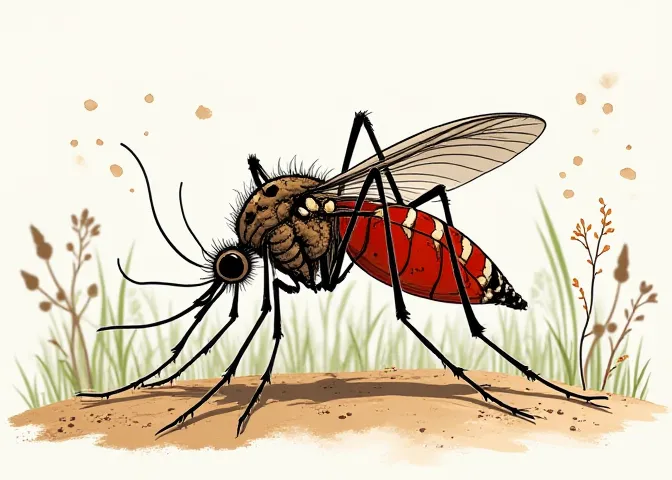
Mosquitoes are not only a nuisance but also pose significant health risks as vectors for various diseases. Their ability to transmit pathogens makes understanding their biology and life cycles crucial for developing effective prevention and control measures. ddo-

Phlebotomus vectorism Myiasis
15:00 - 15:45 Sep 15, 2025

Phlebotomus vectorism Myiasis

Phlebotomus species are small, blood-feeding insects that serve as vectors for various pathogens, including those responsible for leishmaniasis. Myiasis, a condition caused by the invasion of fly larvae in human tissues, can also be associated with these vectors. Understanding the relationship between Phlebotomus vectorism and myiasis is crucial for managing and preventing these health concerns. ddo-

Sarcoptes scabiei Demodex spp. ve Akar parasitism
15:55 - 16:40 Sep 15, 2025

Sarcoptes scabiei Demodex spp. ve Akar parasitism

This lecture note delves into the parasitic relationships of Sarcoptes scabiei and Demodex spp., two significant mite species responsible for skin conditions in humans and animals. Understanding their biology, life cycles, and the diseases they cause is crucial for effective diagnosis and treatment. ddo-

Vectors and vectors of tick
09:25 - 10:10 Sep 15, 2025

Vectors and vectors of tick

Ticks are significant vectors in the transmission of various infectious diseases. Understanding their biology and behavior is essential for addressing diseases such as Lyme disease and tick-borne relapsing fever. ddo-

Antiviral Drugs
14:05 - 14:50 Oct 10, 2025

Antiviral Drugs

Antiviral drugs are essential medications specifically designed to treat viral infections, distinguishing them from antibacterial agents. Their development is a key aspect of modern medicine, providing targeted therapies for various viral diseases, from mild illnesses like the common cold to severe conditions such as AIDS. ddo-

Antifungal Drugs
15:55 - 16:40 Oct 10, 2025

Antifungal Drugs

Antifungal drugs are essential medications used to treat infections caused by fungi. With a variety of mechanisms and a broad spectrum of activity, these drugs play a crucial role in managing mycoses and ensuring effective patient care. ddo-

Antifolate drugs
15:00 - 15:45 Oct 09, 2025

Antifolate drugs

Antifolate drugs are a group of antimetabolite agents that block folate-dependent processes crucial for DNA synthesis. They play an important role in treating various cancers and certain microbial infections. ddo-

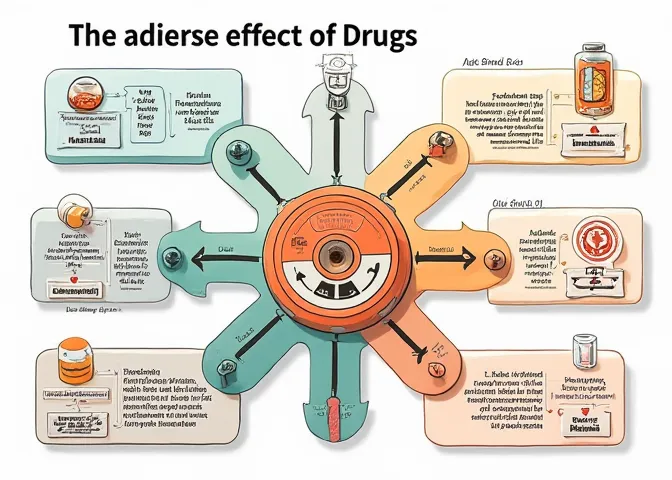
The advers effect of drugs
10:20 - 11:05 Oct 01, 2025

The advers effect of drugs

The study of adverse effects is a critical component of pharmacology and patient safety. Understanding these unintended consequences is essential for all medical professionals to ensure safe and effective therapeutic interventions. ddo-

Aminoglycosides
11:15 - 12:00 Oct 08, 2025

Aminoglycosides

Aminoglycosides are a powerful class of bactericidal antibiotics that are mainly effective against gram-negative bacterial infections. They work by disrupting protein synthesis in bacteria, making them essential in treating serious infections caused by enterobacteria. ddo-

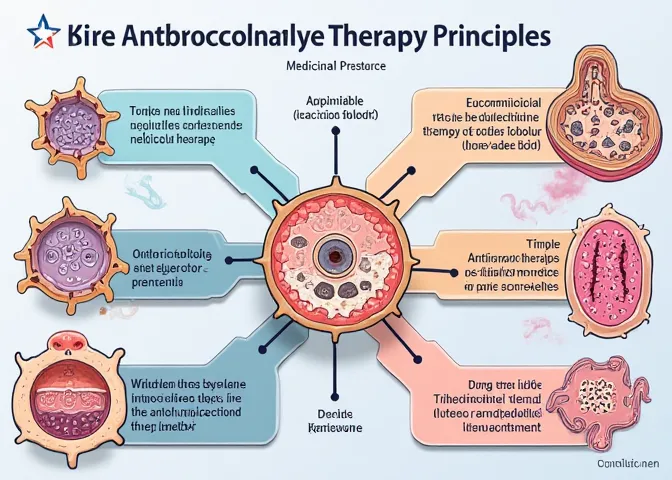
Antimicrobial Therapy Principles
15:00 - 15:45 Oct 06, 2025

Antimicrobial Therapy Principles

Antimicrobial therapy is essential for effectively treating infections in modern medicine. However, inappropriate use can lead to significant challenges, such as antimicrobial resistance, making it crucial for clinicians to understand the guiding principles of its application. ddo-

Basic and clinical evaluation of new drugs
15:00 - 15:45 Oct 02, 2025

Basic and clinical evaluation of new drugs

The journey of developing new pharmaceutical agents is complex and multifaceted, requiring thorough evaluation at every stage. This lecture will provide an overview of the essential principles and methodologies used to assess the safety and efficacy of new drugs, from the laboratory to post-marketing. ddo-

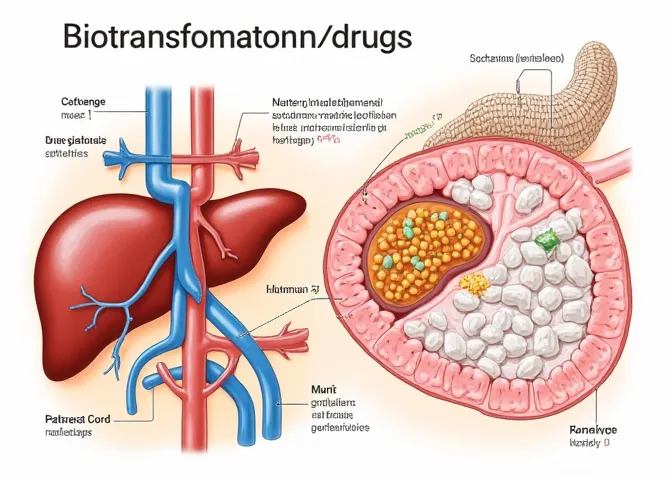
Biotransformation of drugs
08:30 - 09:15 Sep 16, 2025

Biotransformation of drugs

Biotransformation, primarily occurring in the liver, is the metabolic process by which the body modifies drugs, making them more water-soluble for excretion. This critical phase of pharmacokinetics significantly impacts drug efficacy, toxicity, and the necessary dosage regimens for patients. ddo-

Cephalosporins
09:25 - 10:10 Oct 07, 2025

Cephalosporins

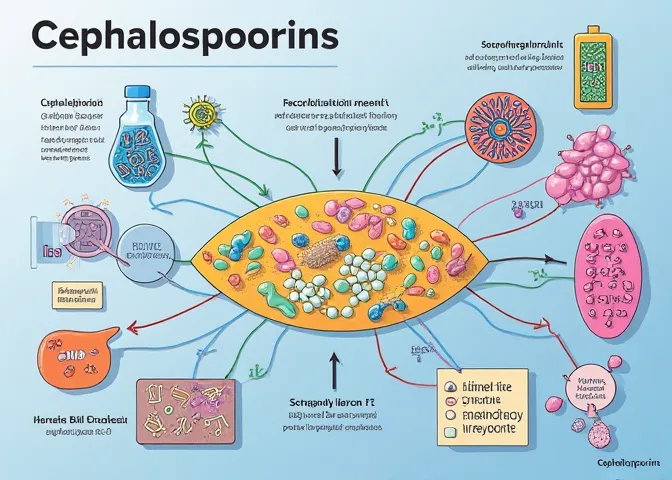
Cephalosporins are a significant class of antibiotics derived from cephalosporin C, recognized for their broad-spectrum efficacy against various bacterial infections. These antibiotics are essential in clinical medicine, offering effective treatment alternatives for a multitude of illnesses, especially when other options are unsuitable. ddo-

Carbapenem monobactam and other drugs
15:00 - 15:45 Oct 07, 2025

Carbapenem monobactam and other drugs

This lecture focuses on carbapenems, monobactams, and other related antibiotic drugs that play a crucial role in treating a variety of bacterial infections. We will explore their mechanisms of action, spectrum of activity, clinical uses, and resistance patterns. ddo-

Distribution of drugs
13:10 - 13:55 Sep 16, 2025

Distribution of drugs

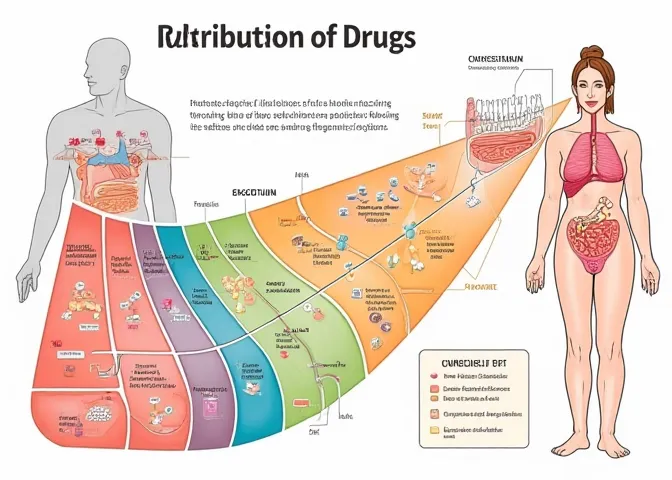
The distribution of drugs refers to the movement of an administered medication throughout the body following its absorption. Understanding this process is crucial for predicting drug effects, potential side effects, and designing effective therapeutic regimens. ddo-

Drug interaction
13:10 - 13:55 Sep 30, 2025

Drug interaction

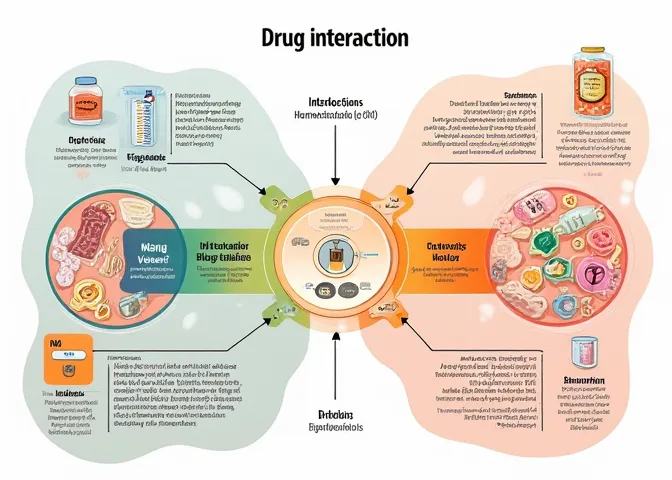
Drug interactions are significant considerations in pharmacotherapy, as they can modify the effects of medications and impact patient safety. Recognizing these interactions is vital for healthcare providers to ensure effective treatment and prevent adverse events. ddo-

Drug -Receptor interactions
08:30 - 09:15 Sep 29, 2025

Drug -Receptor interactions

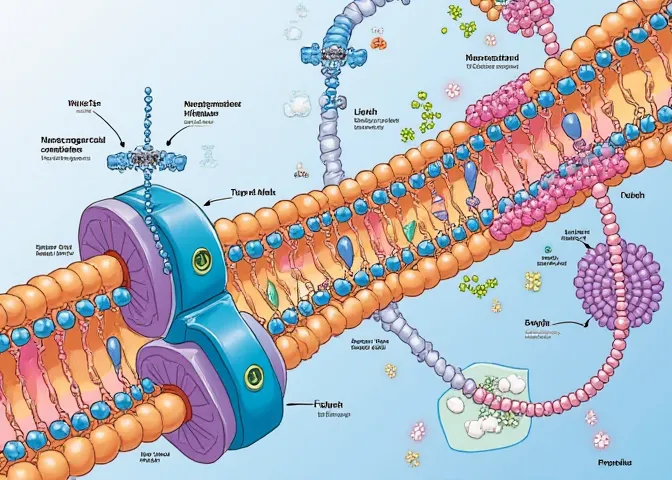
Drug-receptor interactions form the cornerstone of pharmacology, illustrating how drugs bind to specific receptors to elicit a biological response. A thorough understanding of these interactions is essential for the development of effective medications and anticipating individual responses to treatment. ddo-

Fluoroquinolones
15:55 - 16:40 Oct 09, 2025

Fluoroquinolones

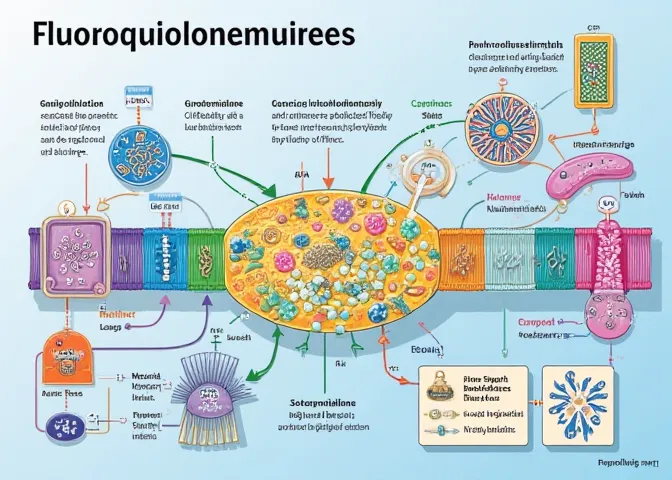
Fluoroquinolones are a significant class of synthetic antibiotics renowned for their effectiveness against a wide array of bacterial infections. Their unique mechanisms of action and broad spectrum of activity make them essential in clinical practice, though awareness of potential adverse effects is critical for safe use. ddo-

Factors modifying drug action
10:20 - 11:05 Sep 24, 2025

Factors modifying drug action

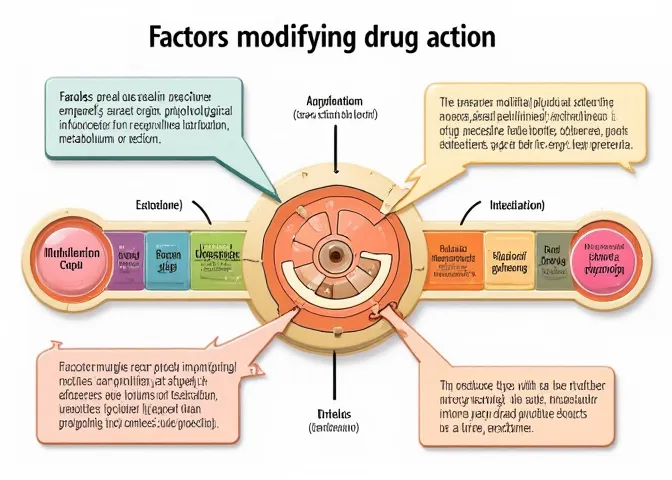
Factors modifying drug action are critical in understanding how medications work in the body. These factors can significantly influence therapeutic effectiveness and the risk of adverse effects, making it essential for clinicians to consider them in practice. ddo-

Geriatric Pharmacology
13:10 - 13:55 Oct 06, 2025

Geriatric Pharmacology

Geriatric pharmacology focuses on the effects of aging on drug pharmacokinetics and pharmacodynamics, essential for tailoring medication regimens in older adults. As the elderly often deal with polypharmacy and age-related physiological changes, understanding these factors is vital for optimizing therapeutic outcomes. ddo-
Introduction to pharmacology
08:30 - 09:15 Sep 10, 2025

Introduction to pharmacology

Pharmacology is a vital field in medicine that examines how drug substances interact with living organisms. It focuses on drug mechanisms, therapeutic uses, and potential toxic effects, which are crucial for developing safe and effective treatments. ddo-

Mechanisms of Drug Action
15:00 - 15:45 Sep 25, 2025

Mechanisms of Drug Action

The mechanisms of drug action are crucial to understanding how medications produce their effects within the body. By exploring these biochemical and physiological processes, we can gain insights into both therapeutic benefits and potential adverse reactions associated with drug therapy. ddo-

Macrolide and lincosamide antibiotics
13:10 - 13:55 Oct 09, 2025

Macrolide and lincosamide antibiotics

Macrolide and lincosamide antibiotics are essential classes of antibacterial agents that inhibit protein synthesis in bacteria. They are primarily effective against gram-positive bacteria, some gram-negative organisms, and anaerobes, making them valuable in treating various infections. ddo-

Penicillin
10:20 - 11:05 Oct 07, 2025

Penicillin

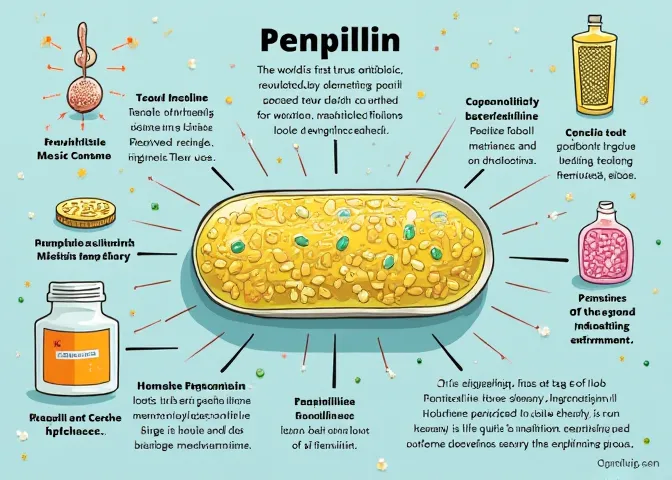
Penicillin, discovered by Alexander Fleming in 1928, marked a significant turning point in the treatment of bacterial infections. As the world's first true antibiotic, it opened new avenues for medical treatment and saved countless lives. ddo-

Pediatric Pharmacology
11:15 - 12:00 Oct 06, 2025

Pediatric Pharmacology

Pediatric pharmacology is a specialized field that examines how medications affect children, taking into account their unique physiological and developmental characteristics. Given the distinct differences between children and adults in terms of drug metabolism and response, it is essential to tailor drug dosing and formulations appropriately for this vulnerable population. ddo-

Tetracyclines and amphenicols
09:25 - 10:10 Oct 10, 2025

Tetracyclines and amphenicols

Tetracyclines and amphenicols are significant classes of antibiotics utilized in the treatment of various bacterial infections. Their mechanisms of action, spectrum of activity, and clinical applications are essential for effective therapeutic strategies and for addressing the growing challenge of antimicrobial resistance. ddo-

Autoimmunity diseases
10:20 - 11:05 Oct 27, 2025

Autoimmunity diseases

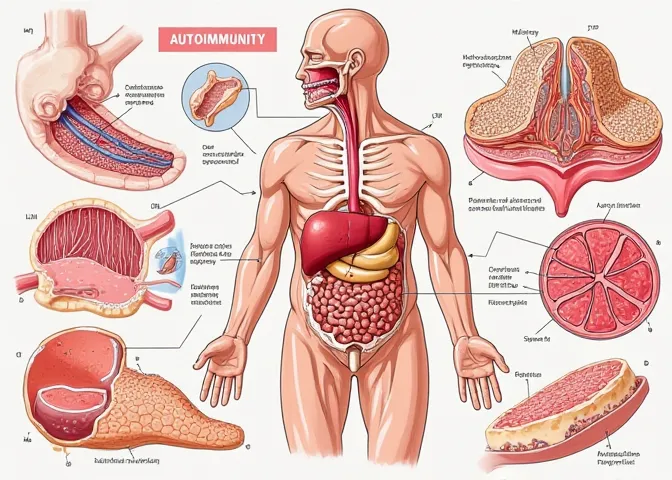
Autoimmunity diseases occur when the immune system mistakenly attacks the body's own cells and tissues. This lecture will delve into the underlying mechanisms, various clinical manifestations, and the significance of these complex disorders in modern medicine. ddo-

Anaerobic Gram Negative Bacteria
11:15 - 12:00 Sep 16, 2025

Anaerobic Gram Negative Bacteria

Anaerobic gram-negative bacteria are a unique category of microorganisms that thrive in environments devoid of oxygen. They are important clinical pathogens often found in serious infections, particularly in anaerobic settings such as abscesses and the gastrointestinal tract. ddo-

Activity and resistance mechanisms of antibiotics
13:10 - 13:55 Sep 08, 2025

Activity and resistance mechanisms of antibiotics

Antibiotics are crucial in combating bacterial infections by targeting specific bacterial functions. However, the rise of antibiotic resistance mechanisms threatens the effectiveness of these treatments, necessitating a deeper understanding of both antibiotic action and the mechanisms of resistance. ddo-

Antivirals Resistance Mechanisms New Antivirals
15:00 - 15:45 Sep 29, 2025

Antivirals Resistance Mechanisms New Antivirals

Antiviral resistance is a significant challenge in the treatment of viral infections, leading to decreased efficacy of existing antiviral agents. Understanding the mechanisms of resistance and the development of new antiviral therapies is critical for improving patient outcomes and managing viral diseases effectively. ddo-

Antimicrobial susceptibility tests
10:20 - 11:05 Sep 08, 2025

Antimicrobial susceptibility tests

Antimicrobial susceptibility testing is essential for evaluating the effectiveness of antimicrobial agents against specific bacterial strains. This testing not only aids clinicians in selecting appropriate therapies but also helps in avoiding ineffective treatments and conserving healthcare resources. ddo-

Brucella
15:55 - 16:40 Sep 12, 2025

Brucella

Brucella species are Gram-negative bacteria known for their high infectivity and ability to cause zoonotic diseases, especially brucellosis. This lecture will explore the essential aspects of Brucella pathogenesis, modes of transmission, clinical manifestations, and diagnostic methods pertinent to clinical practice. ddo-

Chlamydia infections
10:20 - 11:05 Sep 17, 2025

Chlamydia infections

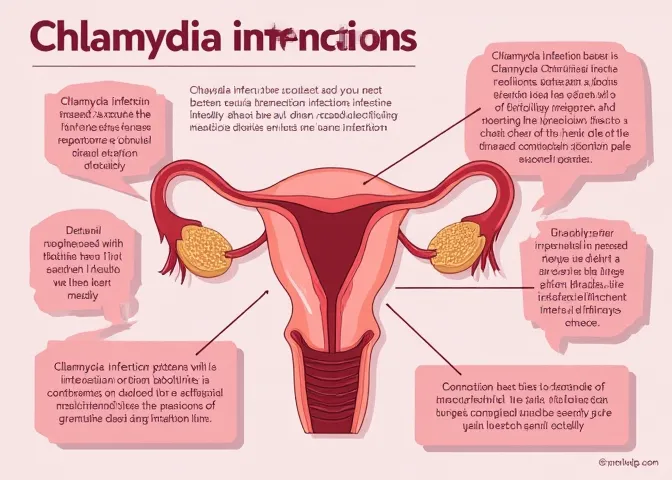
Chlamydia infections, primarily caused by the bacterium Chlamydia trachomatis, are among the most common sexually transmitted infections worldwide. Often asymptomatic, these infections can lead to severe reproductive health issues if not adequately addressed. ddo-

Cutaneous mycoses
10:20 - 11:05 Sep 30, 2025

Cutaneous mycoses

Cutaneous mycoses are a major category of fungal infections that primarily affect the skin, hair, and nails. A thorough understanding of their causes, symptoms, and treatment options is essential for effective management in clinical practice. ddo-

Coronaviruses and SARS
14:05 - 14:50 Sep 25, 2025

Coronaviruses and SARS

Coronaviruses are a unique family of viruses that significantly impact both human and animal health, linked to a range of illnesses from mild respiratory infections to severe diseases. The emergence of Severe Acute Respiratory Syndrome (SARS) in the early 2000s underscored the potential of these viruses to cause global health crises and initiated extensive research into their nature and management. ddo-

Emerging pathogens
09:25 - 10:10 Sep 30, 2025

Emerging pathogens

Emerging pathogens are microorganisms that are newly recognized or are increasing in incidence or geographic distribution. Identifying their origins and patterns is essential for predicting and managing potential disease outbreaks in our interconnected world. ddo-

General proporties of family Enterobacterales
08:30 - 09:15 Oct 07, 2025

General proporties of family Enterobacterales

The family Enterobacterales is a diverse group of Gram-negative bacteria found in various environments, including soil, water, and the human gastrointestinal tract. While often regarded as commensals, many members of this family are opportunistic pathogens, particularly in clinical settings, leading to significant infections in hospitalized patients. ddo-

HIV AIDS and lentiviruses
08:30 - 09:15 Sep 24, 2025

HIV AIDS and lentiviruses

HIV/AIDS represents a critical global health challenge and a significant focus within modern medicine. Understanding lentiviruses, including HIV, is essential due to their unique replication strategies and ability to persistently infect hosts while evading immune responses. ddo-

Herpesviruses
13:10 - 13:55 Sep 23, 2025

Herpesviruses

Herpesviruses are a significant group of DNA viruses that can lead to persistent infections in humans. Their complex biology and the diseases they cause highlight the importance of understanding these pathogens in the context of modern medicine. ddo-

Kırım Congo and Hemorrhagic fever viruses
10:20 - 11:05 Sep 29, 2025

Kırım Congo and Hemorrhagic fever viruses

Crimean-Congo hemorrhagic fever (CCHF) and other viral hemorrhagic fevers pose significant threats to global health. These viruses are primarily transmitted through ticks and direct contact with infected bodily fluids, making understanding their transmission, pathology, and clinical features essential for effective management. ddo-

Laboratory diagnosis of anaerobic bacteria
14:05 - 14:50 Sep 15, 2025

Laboratory diagnosis of anaerobic bacteria

The accurate laboratory diagnosis of anaerobic bacteria is essential for effectively managing serious infections caused by these pathogens. This lecture will cover the fundamental principles and methodologies employed in microbiology laboratories to identify and characterize anaerobic bacteria. ddo-

Legionella
13:10 - 13:55 Sep 15, 2025

Legionella

Legionella is a significant gram-negative bacterium responsible for Legionnaires' disease, a severe form of atypical pneumonia. Understanding its environmental niches, transmission routes, and clinical manifestations is crucial for effective diagnosis and prevention in the medical field. ddo-

Mycoplasma and gardnerella infections
10:20 - 11:05 Sep 16, 2025

Mycoplasma and gardnerella infections

Mycoplasma and Gardnerella infections pose notable clinical challenges, leading to conditions such as atypical pneumonia and bacterial vaginosis. Understanding their unique biology, diagnostic strategies, and treatment options is essential for effective patient management. ddo-

Mycobactera-Lepra
15:55 - 16:40 Sep 17, 2025

Mycobactera-Lepra

Mycobacterium leprae is the bacterium responsible for leprosy, a disease that has plagued humanity for centuries. Its unique characteristics and transmission dynamics pose significant challenges in understanding and managing this infectious disease. ddo-

Meningococci and moraxella
08:30 - 09:15 Sep 11, 2025

Meningococci and moraxella

Meningococci, a notable group of Gram-negative diplococci, are primarily known for their role in severe diseases such as meningitis and septicemia. In addition, the genus Moraxella includes other significant Gram-negative bacteria that are associated with various clinical syndromes. ddo-
Mycobacteria - Tuberculosis
15:00 - 15:45 Sep 17, 2025

Mycobacteria - Tuberculosis

Mycobacterium tuberculosis is a significant global health threat, being the primary causative agent of tuberculosis (TB). This lecture will explore the biology of this pathogen, its modes of transmission, and the implications for disease management. ddo-

New microbiological diagnostic methods
09:25 - 10:10 Sep 22, 2025

New microbiological diagnostic methods

Modern microbiological diagnostics are transforming the way we identify pathogens, leveraging cutting-edge technology to enhance both speed and accuracy. These advancements are essential in improving patient outcomes and tackling the urgent issue of antimicrobial resistance. ddo-

Orthomyxoviruses (Influenzavirus)
10:20 - 11:05 Sep 23, 2025

Orthomyxoviruses (Influenzavirus)

Orthomyxoviruses, particularly Influenzavirus, are the viruses responsible for seasonal influenza and occasional pandemics. They are highly contagious, enveloped viruses that possess segmented RNA genomes, and are known for their ability to undergo antigenic variation, which poses significant challenges to public health. ddo-

Opportunistic mycoses (CandidaCryptocAsper)
14:05 - 14:50 Oct 03, 2025

Opportunistic mycoses (CandidaCryptocAsper)

Opportunistic mycoses pose a significant threat to patients with weakened immune systems, leading to severe infections that can complicate treatment and recovery. This lecture will delve into three primary fungal pathogens: Candida species, Cryptococcus neoformans, and Aspergillus species, which are collectively referred to as Candida-Cryptococcus-Aspergillosis. ddo-

Oncogenic viruses
14:05 - 14:50 Sep 29, 2025

Oncogenic viruses

Oncogenic viruses are unique pathogens that play a significant role in the transformation of normal cells into cancerous ones. By studying these viruses and their mechanisms, we can gain insights into the causes of certain cancers and explore new therapeutic options. ddo-

Paramyxoviruses
13:10 - 13:55 Sep 29, 2025

Paramyxoviruses

Paramyxoviruses are a diverse group of enveloped, negative-sense RNA viruses known for causing significant respiratory and neurological diseases in both humans and animals. Their study is essential for understanding their impact on global public health and the development of effective diagnostic and therapeutic measures. ddo-
Picornaviruses
08:30 - 09:15 Sep 25, 2025

Picornaviruses

Picornaviruses are small, non-enveloped viruses that belong to the family Picornaviridae. They are responsible for a variety of human diseases, making it essential to understand their replication mechanisms and pathogenesis for effective clinical management. ddo-

Pathogenesis of viral diseases
09:25 - 10:10 Sep 23, 2025

Pathogenesis of viral diseases

Viruses are unique pathogens that rely on host cells to replicate and propagate. Understanding the pathogenesis of viral diseases is essential for developing effective therapeutics and preventive measures. ddo-
Rickettsia Ehrlichia and Bartonella
14:05 - 14:50 Sep 17, 2025

Rickettsia Ehrlichia and Bartonella

Rickettsia, Ehrlichia, and Bartonella are important genera of bacteria that are primarily transmitted through arthropod vectors, such as ticks and fleas. These pathogens are responsible for a range of infectious diseases that can have serious health implications in humans. ddo-

Rubella virus
13:10 - 13:55 Sep 25, 2025

Rubella virus

The Rubella virus, belonging to the Togaviridae family, is primarily known for causing a mild illness with a characteristic rash. However, the virus poses significant risks during pregnancy, making it essential to understand its implications and the effectiveness of vaccination efforts. ddo-
Rabies virus
10:20 - 11:05 Sep 25, 2025

Rabies virus

Rabies is a nearly always fatal viral disease that primarily affects the central nervous system, predominantly transmitted through the bite of an infected animal. This lecture will provide an overview of the key aspects of rabies, including its virology, pathogenesis, clinical presentation, prevention strategies, and post-exposure management. ddo-
Systemic mycoses
09:25 - 10:10 Oct 02, 2025

Systemic mycoses

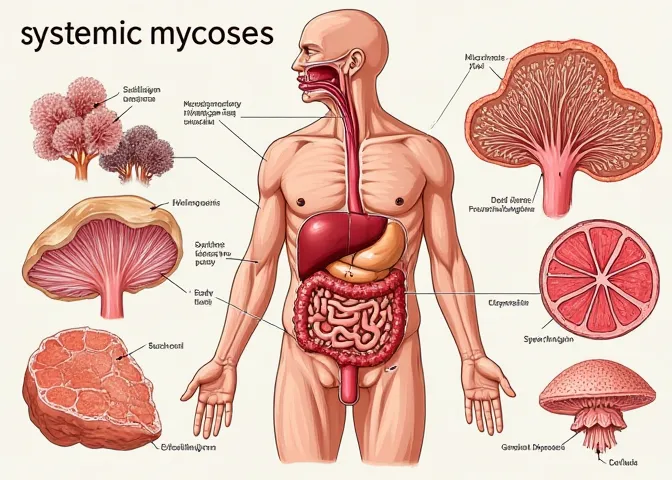
Systemic mycoses are serious fungal infections that can affect multiple organs, posing significant challenges in clinical practice. Although they are less common than bacterial infections, understanding their diverse causes, complex presentations, and management strategies is essential for healthcare professionals, particularly when treating immunocompromised patients or those in endemic areas. ddo-

Streptococcus- pneumococcus
10:20 - 11:05 Sep 10, 2025

Streptococcus- pneumococcus

Streptococcus and pneumococcus are both Gram-positive bacteria within the order Lactobacillales, but they belong to different genera with distinct clinical implications. Streptococcus species commonly appear in chains and are associated with a variety of infections, while pneumococcus refers specifically to Streptococcus pneumoniae, a significant pathogen known for causing pneumonia and meningitis. ddo-
Staphylococci
13:10 - 13:55 Sep 09, 2025
Staphylococci

Staphylococci are a diverse group of bacteria that play a critical role in human health and disease. They are commonly associated with a range of infections, from superficial skin issues to life-threatening systemic conditions. Understanding their characteristics and behaviors is essential for effective diagnosis and treatment. ddo-

Slow viruses and prions
15:55 - 16:40 Sep 25, 2025

Slow viruses and prions

Slow viruses and prions are fascinating subjects in the field of virology, characterized by their unique mechanisms of disease and extended incubation periods. These agents often lead to severe neurological disorders, presenting considerable challenges for diagnosis and treatment. ddo-

Vibrio campylobacter and helicobacter
14:05 - 14:50 Oct 06, 2025

Vibrio campylobacter and helicobacter

Vibrio, Campylobacter, and Helicobacter are significant genera of bacteria that are known to cause gastrointestinal diseases in humans. Understanding their characteristics, pathogenic mechanisms, and clinical implications is essential for effective diagnosis and treatment. ddo-

Yersinia Francisella and Pasteurella
08:30 - 09:15 Sep 15, 2025

Yersinia Francisella and Pasteurella

Bacteria within the genera Yersinia, Francisella, and Pasteurella are important pathogens that affect both humans and animals. They are known for causing serious diseases, some of which are zoonotic, thereby highlighting the need for a solid understanding of their biology and clinical implications. ddo-

Pathology of the infectious diseases
10:20 - 11:05 Oct 02, 2025

Pathology of the infectious diseases

The pathology of infectious diseases delves into the intricate changes in host tissues and cells induced by pathogenic microorganisms. This understanding is vital for accurate diagnosis, predicting clinical outcomes, and formulating effective treatment and preventive measures. ddo-
Evidence-based medicine practices
08:30 - 09:15 Sep 18, 2025

Evidence-based medicine practices

Evidence-based medicine (EBM) is a systematic approach to clinical practice that integrates the best available research evidence with clinical expertise and patient values. This approach aims to improve patient outcomes by making informed decisions based on the most reliable data. ddo-

Intradermal injection
15:55 - 16:40 Sep 19, 2025

Intradermal injection

Intradermal injections are a vital technique in medicine that allows for the precise delivery of medications or dyes into the dermis layer of the skin. This method is commonly used for allergy testing and vaccine administration, making it essential for healthcare professionals to master the technique to ensure accurate results and effective treatment. ddo-

IM injection
15:55 - 16:40 Sep 29, 2025

IM injection

Intramuscular (IM) injection is a common method of administering medications directly into the muscle tissue, allowing for faster absorption into the bloodstream. This lecture will cover the techniques, indications, contraindications, and potential complications associated with IM injections. ddo-

Subcutaneous and intradermal injection
15:55 - 16:40 Sep 16, 2025

Subcutaneous and intradermal injection

Subcutaneous and intradermal injections are essential techniques in medicine for administering medications and vaccines. Understanding the differences, indications, and techniques for these injections is crucial for effective patient care. ddo-
Superficial suturing and receiving
15:00 - 15:45 Sep 16, 2025

Superficial suturing and receiving

Superficial suturing is a critical skill for closing minor skin lacerations, focusing on aesthetic outcomes and wound protection. This technique is essential for medical students and junior clinicians as part of their surgical training. ddo-