Search Results
Cirrhosis of the liver
15:00 - 15:45 Dec 29, 2025

Cirrhosis of the liver

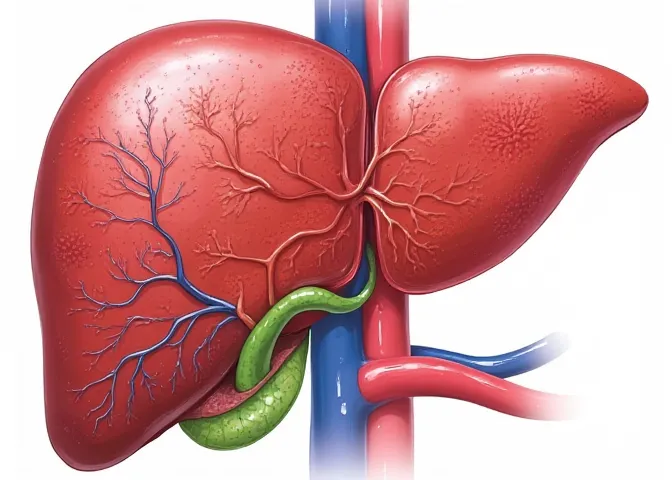
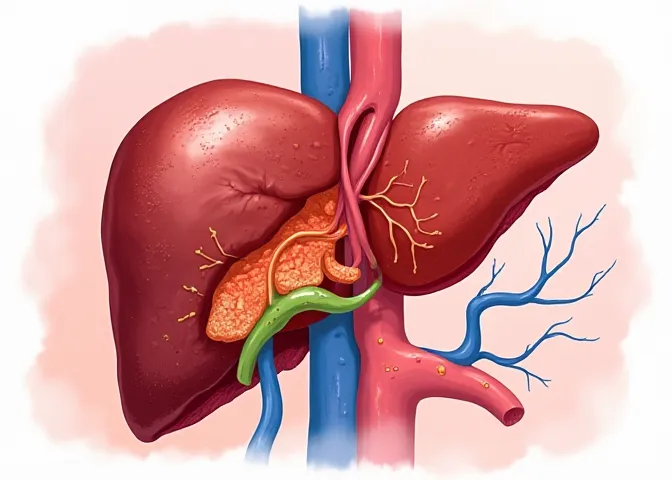
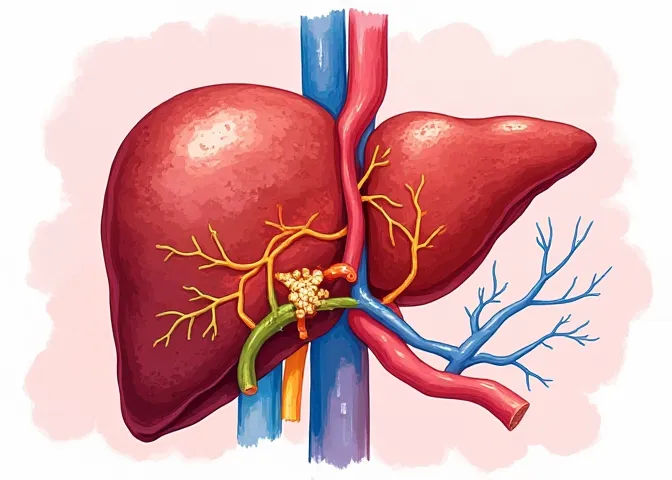
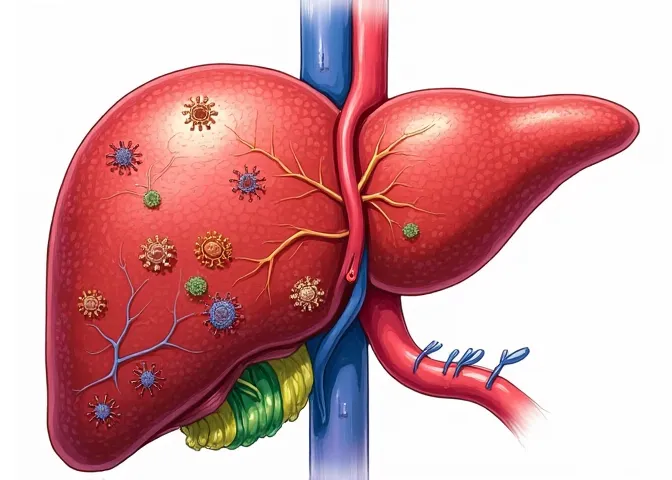
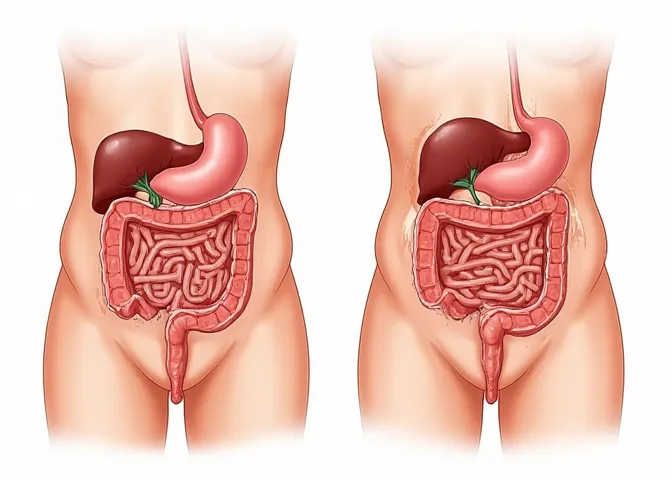
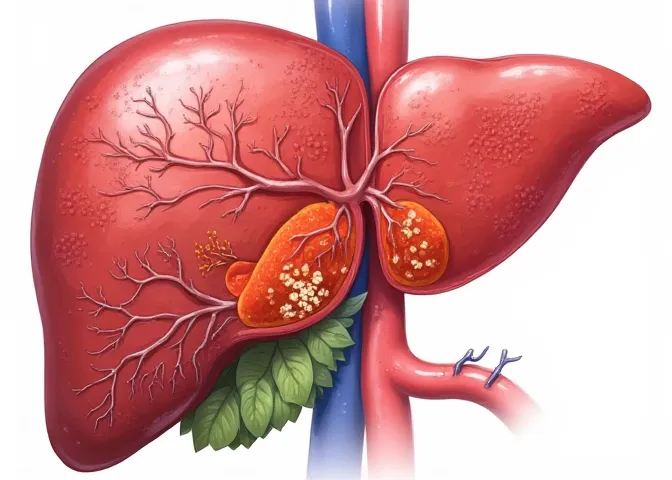
Cirrhosis of the liver is a progressive condition marked by extensive liver cell damage and the formation of fibrous scar tissue. It is essential for medical professionals to grasp its pathophysiology, as it significantly affects liver function and the overall health of patients. ddo-
Gastro-esophageal reflux
08:30 - 09:15 Dec 23, 2025

Gastro-esophageal reflux

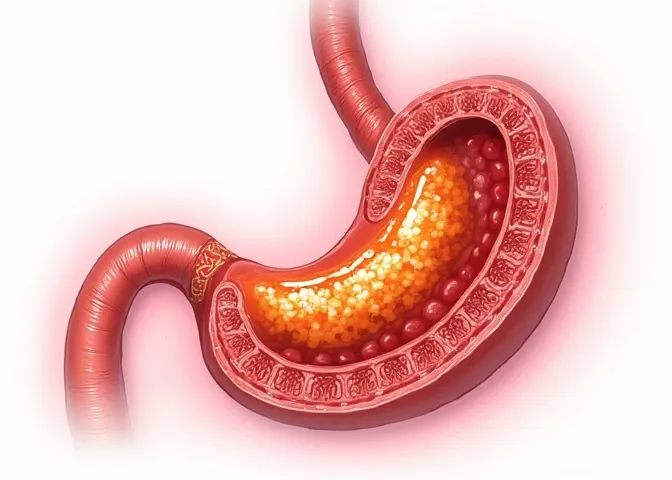
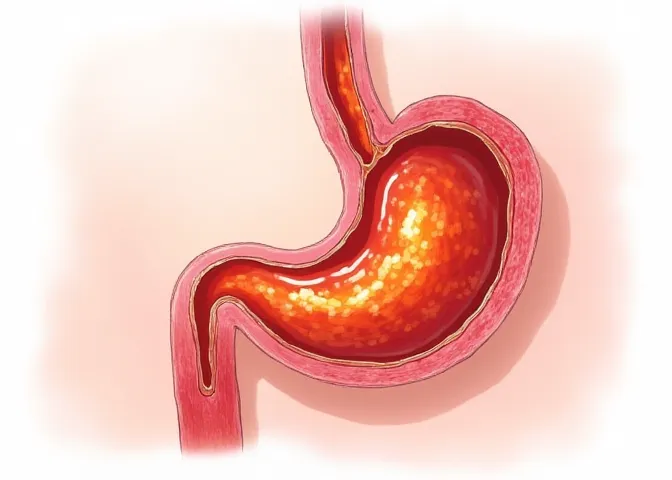
Gastroesophageal reflux disease (GERD) is a prevalent gastrointestinal disorder that occurs when stomach contents flow backward into the esophagus. This condition is primarily caused by transient relaxations of the lower esophageal sphincter, potentially leading to serious health complications if left untreated. ddo-

Acute abdomen adult
09:25 - 10:10 Dec 25, 2025

Acute abdomen adult

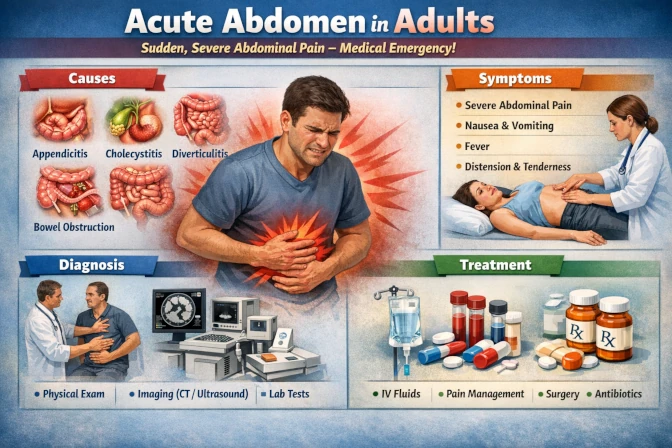
Acute abdomen in adults refers to a sudden onset of severe abdominal pain that may indicate a serious underlying condition requiring immediate medical attention. This lecture will explore the causes, symptoms, diagnostic approaches, and treatment strategies for managing acute abdomen. ddo-

Interactive session (Approach to the patient with acute abdomen)
09:25 - 10:10 Dec 26, 2025

Interactive session (Approach to the patient with acute abdomen)

This interactive session focuses on the approach to patients presenting with acute abdomen, emphasizing the importance of thorough history taking, physical examination, and targeted investigations. By engaging in discussion and case-based learning, participants will enhance their diagnostic and therapeutic skills in managing acute abdominal pain. ddo-

Acid
15:55 - 16:40 Jan 05, 2026

Acid

Acids play a vital role in the biochemistry of living organisms, particularly in maintaining the acid-base balance crucial for various physiological functions. Understanding the properties and effects of acids is essential for medical professionals to accurately assess and manage patient health. ddo-

Abdominal pain adult (Case analysis)
08:30 - 09:15 Dec 25, 2025

Abdominal pain adult (Case analysis)

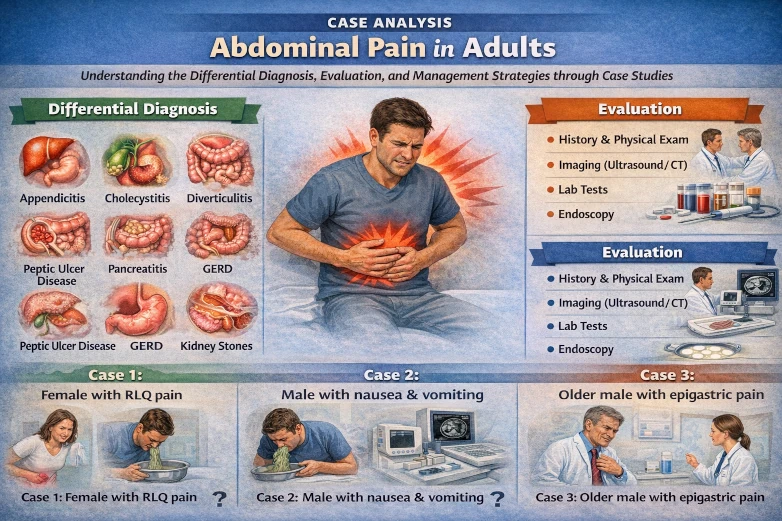
Abdominal pain in adults is a common clinical presentation that can indicate a wide range of underlying conditions. This lecture will analyze various case studies to understand the differential diagnosis, evaluation, and management strategies for adult patients presenting with abdominal pain. ddo-

Constipation and physiopathology
10:20 - 11:05 Dec 25, 2025

Constipation and physiopathology

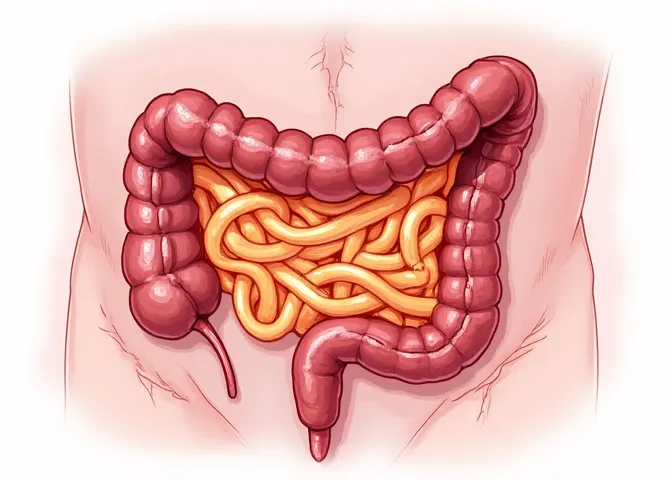
Constipation is a common gastrointestinal issue that can seriously affect a person's quality of life. It involves infrequent bowel movements, hard stools, and often significant straining during defecation, necessitating a deeper understanding of its underlying physiopathology. ddo-

Dyspepsia (Case analysis)
09:25 - 10:10 Dec 23, 2025

Dyspepsia (Case analysis)

Dyspepsia is a prevalent condition characterized by symptoms such as indigestion and upper abdominal pain. Understanding its underlying causes through case analysis is crucial for effective diagnosis and management in clinical practice. ddo-

Dysphagia and physiopathology
13:10 - 13:55 Dec 23, 2025

Dysphagia and physiopathology

Dysphagia is a significant clinical concern that affects a patient's ability to swallow, directly influencing their nutrition and hydration status. Recognizing its underlying causes is essential for effective management and improving patient outcomes. ddo-

Gastro-esophageal reflux and physiopathology
13:10 - 13:55 Dec 22, 2025

Gastro-esophageal reflux and physiopathology

Gastroesophageal reflux (GER) is a condition where stomach contents flow back into the esophagus, leading to various symptoms and potential complications. Understanding the underlying physiopathology is crucial for effective diagnosis and management of this common ailment. ddo-

Hepatomegaly (Case analysis)
14:05 - 14:50 Dec 30, 2025

Hepatomegaly (Case analysis)

Hepatomegaly, or enlarged liver, is a critical clinical finding that can signal various underlying medical conditions. A thorough understanding of its etiology, diagnostic implications, and pathophysiology is essential for effective patient management and treatment strategies. ddo-

Hepatosteatosis
13:10 - 13:55 Jan 05, 2026

Hepatosteatosis

Hepatosteatosis, commonly known as fatty liver, is a condition marked by the excessive accumulation of lipids in liver cells, or hepatocytes. This condition is crucial to recognize as it often signals the onset of more severe liver diseases and metabolic disorders. ddo-

Hematemesis Melena Hematochezia
13:10 - 13:55 Dec 30, 2025

Hematemesis Melena Hematochezia

Hematemesis, melena, and hematochezia are clinical terms used to describe different types of gastrointestinal bleeding. Understanding the distinctions and implications of each is crucial for diagnosis and management in medical practice. ddo-

Jaundice (Case analysis)
15:00 - 15:45 Jan 05, 2026

Jaundice (Case analysis)

Jaundice is a clinical manifestation marked by yellowing of the skin and eyes, often signaling underlying hepatic, biliary, or hematologic conditions. This lecture aims to analyze various cases to elucidate the multifaceted causes, mechanisms, diagnostic methods, and treatment options for jaundice. ddo-

Jaundice and its pathophysiology
10:20 - 11:05 Dec 30, 2025

Jaundice and its pathophysiology

Jaundice, characterized by yellow discoloration of the skin and sclerae, is a visible sign of underlying pathological processes involving bilirubin metabolism and clearance. Understanding its pathophysiology is crucial for diagnosing and managing the diverse conditions that lead to this clinical presentation. ddo-

Liver cirrhosis and physiopathology
08:30 - 09:15 Dec 30, 2025

Liver cirrhosis and physiopathology

Liver cirrhosis is a major global health issue, marked by the gradual replacement of healthy liver tissue with scar tissue, which disrupts the liver's essential functions. Understanding its complex physiopathology is crucial for recognizing the underlying mechanisms that lead to severe complications. ddo-

Malnutrition adult
11:15 - 12:00 Dec 30, 2025

Malnutrition adult

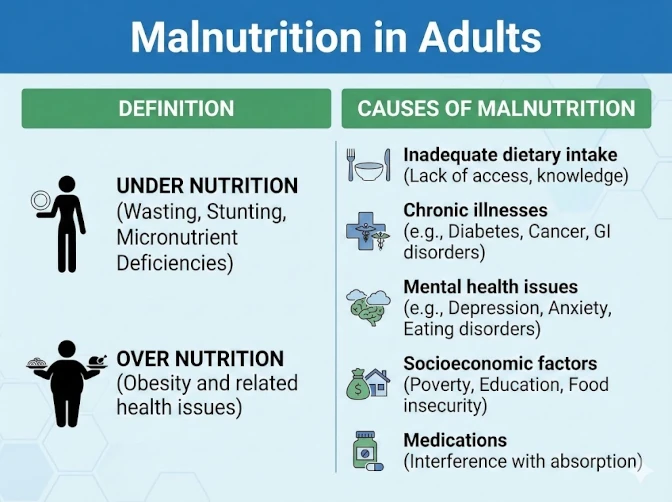
Malnutrition in adults is a significant public health concern that can lead to severe health complications. It encompasses both undernutrition and overnutrition, resulting from an imbalance between nutrient intake and the body's requirements. ddo-
Nausea and vomiting and physiopathology
14:05 - 14:50 Dec 23, 2025

Nausea and vomiting and physiopathology

Nausea and vomiting are common clinical symptoms that can arise from a variety of triggers, including physiological and pathological factors. Understanding their physiopathology is crucial for effective diagnosis and management in medical practice. ddo-

Peptic disease (ulcer) and its pathophysiology
14:05 - 14:50 Dec 22, 2025

Peptic disease (ulcer) and its pathophysiology

Peptic disease, particularly peptic ulcers, involves damage to the gastrointestinal mucosa, usually affecting the stomach or duodenum. The pathophysiology of these ulcers is characterized by an imbalance between harmful factors like acid and pepsin and protective mechanisms of the mucosa. ddo-

Amebiasis
08:30 - 09:15 Dec 24, 2025

Amebiasis

Amebiasis is a significant parasitic infection caused primarily by Entamoeba histolytica, leading to gastrointestinal disease ranging from asymptomatic carriage to severe, life-threatening colitis and liver abscesses. Understanding its transmission, clinical manifestations, and management is crucial for public health in endemic areas and for clinicians managing affected patients globally. ddo-

Ascariosis
08:30 - 09:15 Jan 07, 2026

Ascariosis

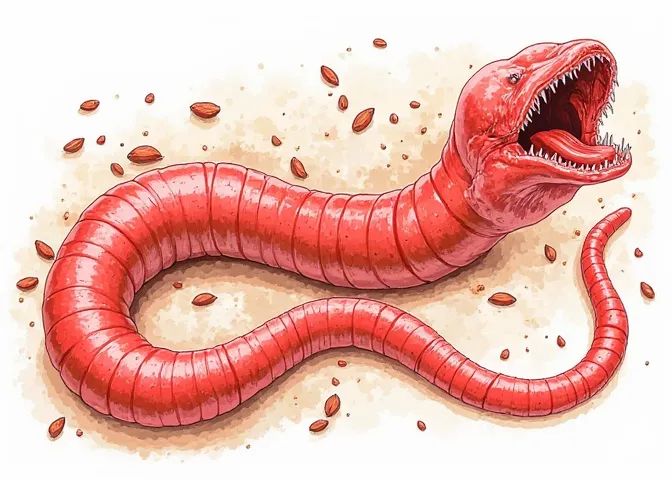
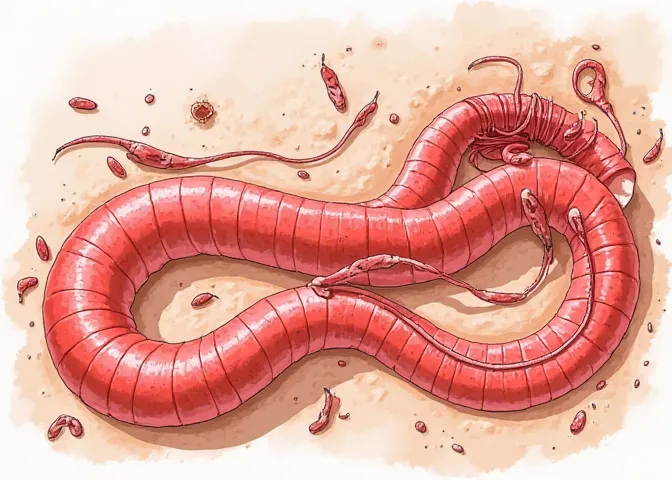
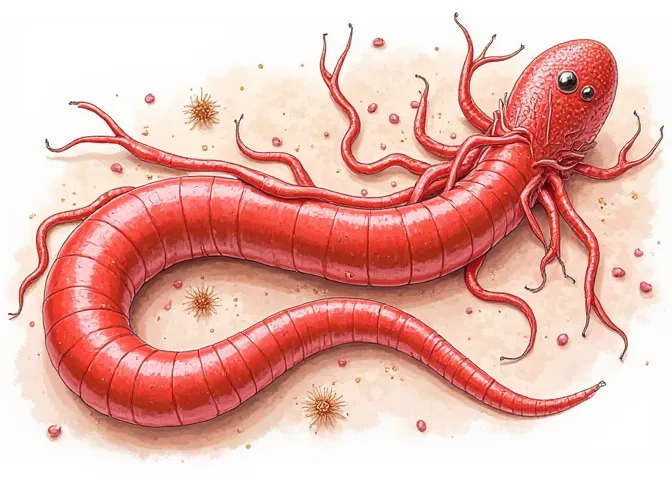
Ascariasis is a common helminth infection caused by the parasitic roundworm *Ascaris lumbricoides*. It primarily affects individuals in regions with inadequate sanitation and hygiene, leading to significant health implications. ddo-

Diphylobotriazis Hymenolepiazis
09:25 - 10:10 Jan 05, 2026

Diphylobotriazis Hymenolepiazis

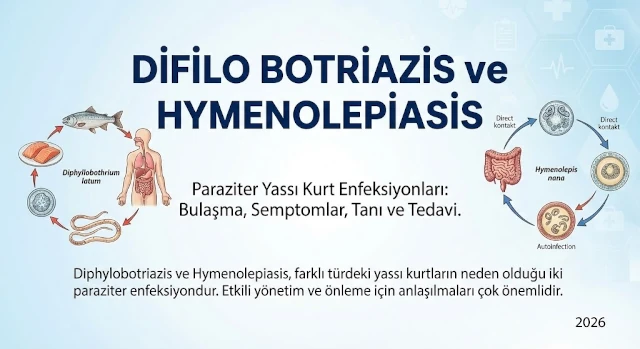
Diphylobotriazis and Hymenolepiasis are two parasitic infections caused by different types of flatworms. Understanding their transmission, symptoms, and treatment is crucial for effective management and prevention. ddo-

Echinococcosis
08:30 - 09:15 Jan 06, 2026

Echinococcosis

Echinococcosis is a significant parasitic disease caused by tapeworms from the genus Echinococcus, primarily affecting humans. It is essential to understand its transmission, clinical presentations, and diagnostic approaches for effective medical management and control. ddo-

Enterobiozis Trichiuriozis
10:20 - 11:05 Jan 08, 2026

Enterobiozis Trichiuriozis

Enterobiozis and Trichiuriozis are parasitic infections caused by Enterobius vermicularis and Trichuris trichiura, respectively. These infections are prevalent worldwide, particularly in areas with poor sanitation, and can lead to significant morbidity, especially in children. ddo-

Fascioliasis Dicrocoeliasis
11:15 - 12:00 Dec 26, 2025

Fascioliasis Dicrocoeliasis

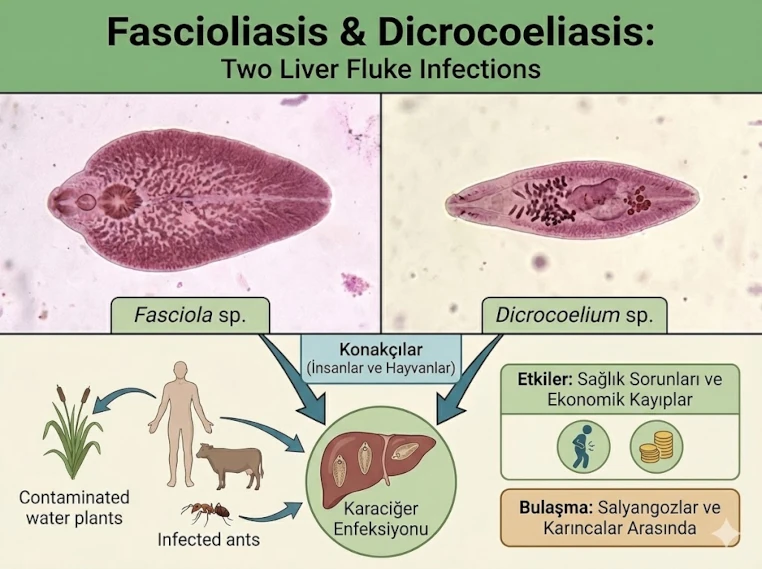
Fascioliasis and Dicrocoeliasis are parasitic infections caused by trematodes belonging to the Fasciola and Dicrocoelium genera, respectively. These infections primarily affect the liver of their hosts, including humans and livestock, leading to significant health and economic impacts. ddo-
Fecal Examination Methods
15:55 - 16:40 Jan 08, 2026

Fecal Examination Methods

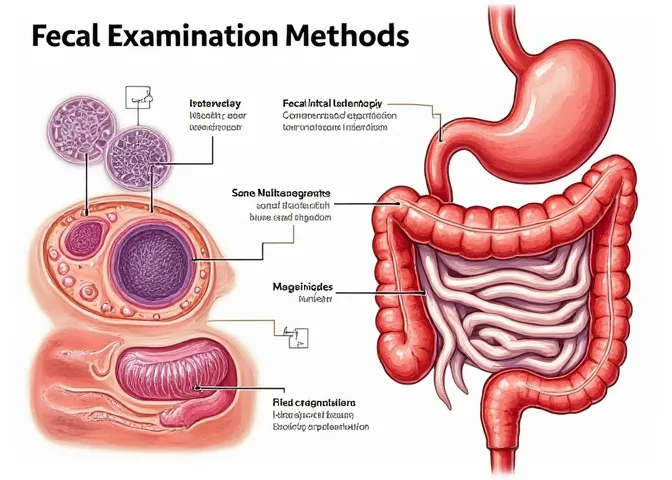
Fecal examination methods are crucial diagnostic tools in medicine, aimed at detecting gastrointestinal pathogens and identifying abnormalities. Understanding these techniques allows healthcare professionals to provide accurate diagnoses and effective treatment plans for patients suffering from gastrointestinal disorders. ddo-
Giardiosis Cryptosporidiosis
10:20 - 11:05 Dec 26, 2025

Giardiosis Cryptosporidiosis

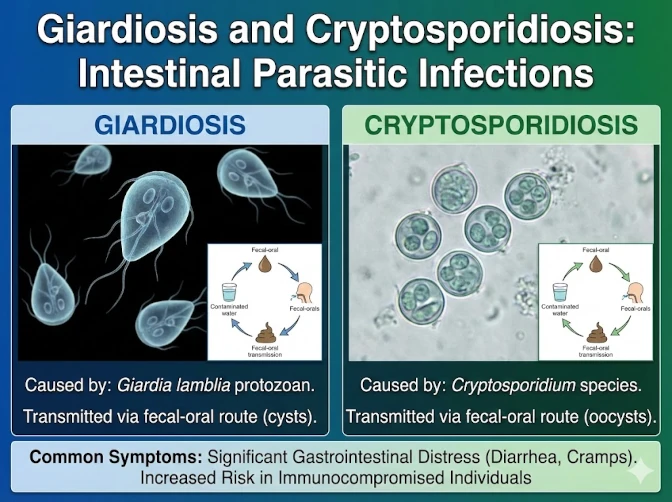
Giardiosis and Cryptosporidiosis are two intestinal parasitic infections caused by the protozoans Giardia lamblia and Cryptosporidium species, respectively. Both infections are transmitted via the fecal-oral route and can lead to significant gastrointestinal symptoms, especially in immunocompromised individuals. ddo-
Hookworm infections
09:25 - 10:10 Jan 07, 2026

Hookworm infections

Hookworm infections are caused mainly by two species, Necator americanus and Ancylostoma duodenale. These infections pose a serious public health challenge, particularly in tropical and subtropical regions, where they predominantly affect children and impoverished communities, leading to significant health issues such as iron deficiency anemia. ddo-
Other amoeba and free pathogenic amoeba
09:25 - 10:10 Dec 24, 2025

Other amoeba and free pathogenic amoeba

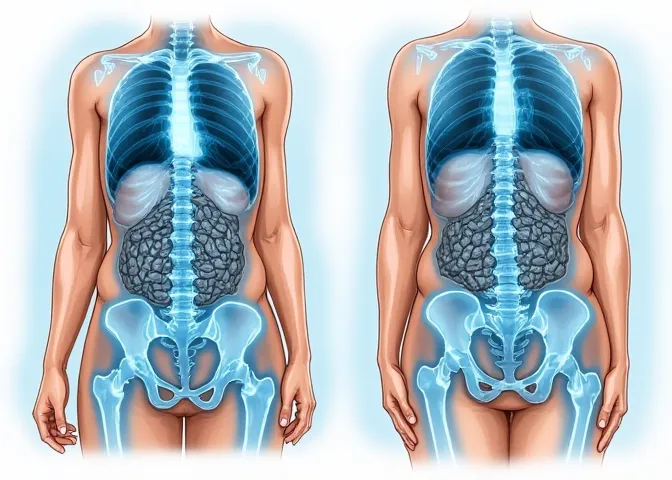
Amoebas are a fascinating group of single-celled eukaryotes with a wide range of lifestyles, including free-living forms and those that are pathogenic to humans. This lecture will delve into the medically significant amoebas, examining their biology, infection mechanisms, clinical effects, and methods for diagnosis. ddo-
Strongyloidiozis
11:15 - 12:00 Jan 08, 2026

Strongyloidiozis

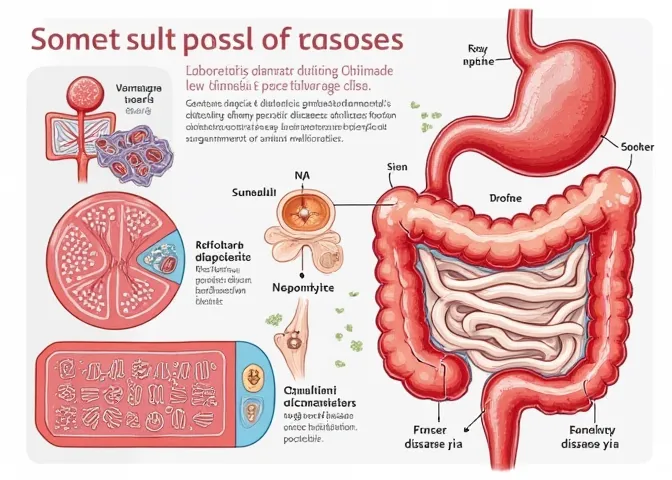
Strongyloidiasis is an infection caused by the parasitic nematode Strongyloides stercoralis, commonly associated with significant health complications. It poses a considerable risk, particularly in immunocompromised individuals, leading to severe conditions such as hyperinfection syndrome and disseminated strongyloidiasis. ddo-
Taeniozis
08:30 - 09:15 Jan 05, 2026

Taeniozis

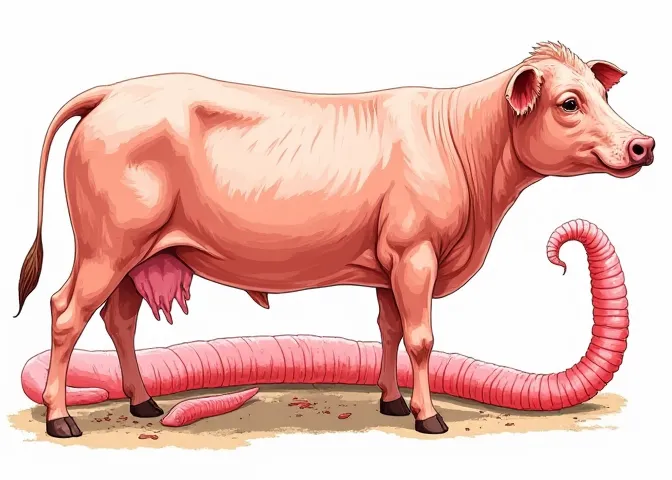
Taeniozis refers to a group of parasitic infections caused by the tapeworms Taenia solium (pork tapeworm) and Taenia saginata (beef tapeworm). Understanding these zoonotic infections is crucial for clinical medicine, particularly in endemic regions, as they can lead to significant morbidity. ddo-

Trichinelloz Larva migrans
11:15 - 12:00 Dec 31, 2025

Trichinelloz Larva migrans

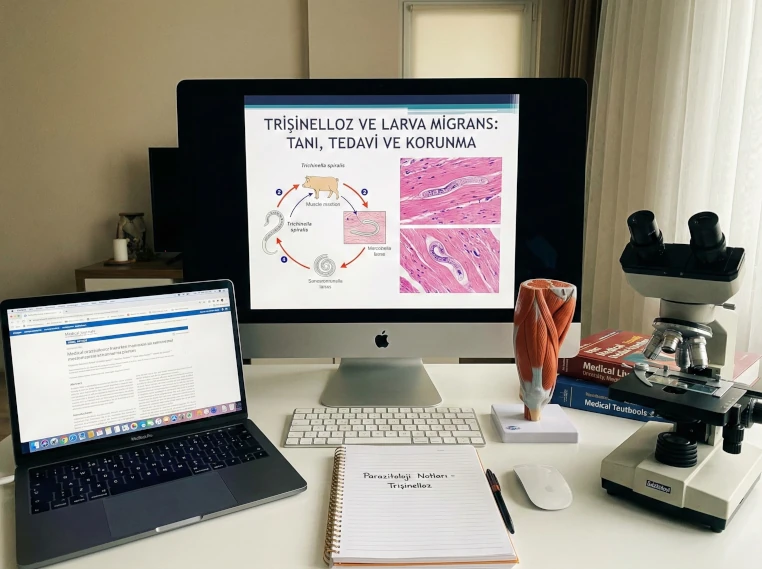
Trichinelloz Larva migrans is a parasitic infection caused by the larvae of the Trichinella species, primarily Trichinella spiralis. This condition typically results from the consumption of undercooked meat containing encysted larvae, leading to various symptoms that can impact multiple organ systems. ddo-

Evaluation of standing / lying abdominal radiography
13:10 - 13:55 Dec 25, 2025

Evaluation of standing / lying abdominal radiography

Abdominal radiography is a crucial imaging modality used in the initial evaluation of various abdominal conditions. This lecture focuses on the comparative analysis of radiographic studies obtained in standing and supine positions, highlighting important diagnostic considerations and common pitfalls associated with each view. ddo-

Liver function tests
13:10 - 13:55 Jan 02, 2026

Liver function tests

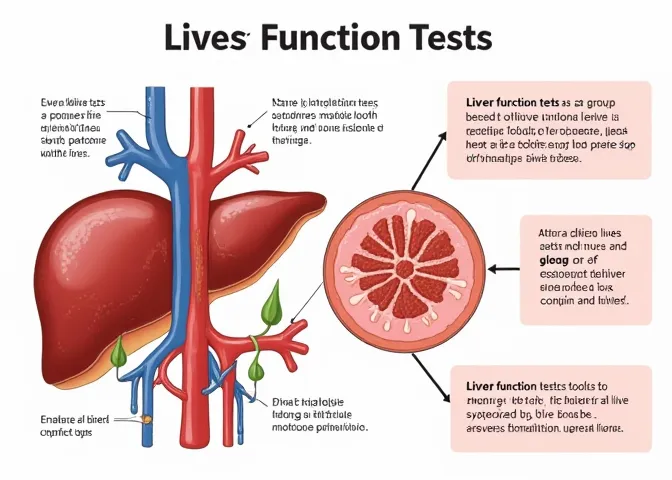
Liver function tests (LFTs) are crucial blood assays that provide insights into liver health and functionality. These tests help in diagnosing liver diseases, monitoring existing conditions, and assessing the liver's response to medications or toxins. ddo-

Antihypertensive Drugs
14:05 - 14:50 Dec 01, 2025

Antihypertensive Drugs

Antihypertensive drugs play a pivotal role in managing hypertension, a condition that heightens the risk of cardiovascular diseases and chronic kidney issues. A comprehensive understanding of the various classes of antihypertensive medications is essential for effective blood pressure control and reducing associated health risks. ddo-

Drugs used in the treatment of heart failure
09:25 - 10:10 Dec 02, 2025

Drugs used in the treatment of heart failure

Heart failure is a prevalent condition that poses considerable clinical challenges due to its associated morbidity and mortality. It is essential for healthcare professionals to be well-versed in the pharmacological agents used to treat heart failure, including their mechanisms of action, efficacy, and potential side effects. ddo-

Drugs used in the treatment of peptic ulcer
10:20 - 11:05 Dec 24, 2025

Drugs used in the treatment of peptic ulcer

Peptic ulcer disease involves painful sores in the stomach or duodenum, affecting patients' quality of life. This lecture will explore the essential pharmacological treatments, focusing on drugs that reduce acid secretion and those that enhance mucosal defense and healing. ddo-

Emetic and antiemetic / prokinetic drugs
13:10 - 13:55 Dec 26, 2025

Emetic and antiemetic / prokinetic drugs

Nausea and vomiting are prevalent symptoms that can greatly affect a patient's quality of life and adherence to treatment. This lecture will discuss emetic drugs used for diagnostic purposes, as well as essential antiemetic and prokinetic agents that help alleviate these symptoms and restore gastrointestinal function. ddo-

Laxative-purgative and antidiarrheal drugs
08:30 - 09:15 Dec 29, 2025

Laxative-purgative and antidiarrheal drugs

Laxative-purgative and antidiarrheal drugs are essential in managing intestinal motility disorders. These pharmacological agents either facilitate bowel movements or mitigate excessive diarrhea, making them critical for treating conditions such as constipation and irritable bowel syndrome. ddo-

Pharmacology of IBS and inflammatory bowel diseases
10:20 - 11:05 Jan 07, 2026

Pharmacology of IBS and inflammatory bowel diseases

The pharmacology of Irritable Bowel Syndrome (IBS) and Inflammatory Bowel Disease (IBD) involves unique therapeutic strategies to address their distinct pathophysiologies. While both conditions affect the gastrointestinal system, IBS is characterized primarily by dysmotility and pain, whereas IBD encompasses a range of inflammatory processes. Understanding these differences is crucial for effective treatment. ddo-

Campylobacter and Helicobacter
08:30 - 09:15 Jan 08, 2026

Campylobacter and Helicobacter

Campylobacter and Helicobacter are two significant genera of bacteria that impact human health. Campylobacter species, especially C. jejuni, are a major cause of bacterial gastroenteritis, while Helicobacter pylori is linked to serious gastrointestinal conditions such as chronic gastritis and peptic ulcers. ddo-

Enteropathogenic E. coli
13:10 - 13:55 Jan 06, 2026

Enteropathogenic E. coli

Enteropathogenic *Escherichia coli* (EPEC) is a major cause of diarrhea, particularly in infants and young children in developing regions. This pathogen is known for causing watery diarrhea and can lead to severe dehydration due to its ability to disrupt intestinal function. ddo-

Salmonella-Shigella
09:25 - 10:10 Jan 08, 2026

Salmonella-Shigella

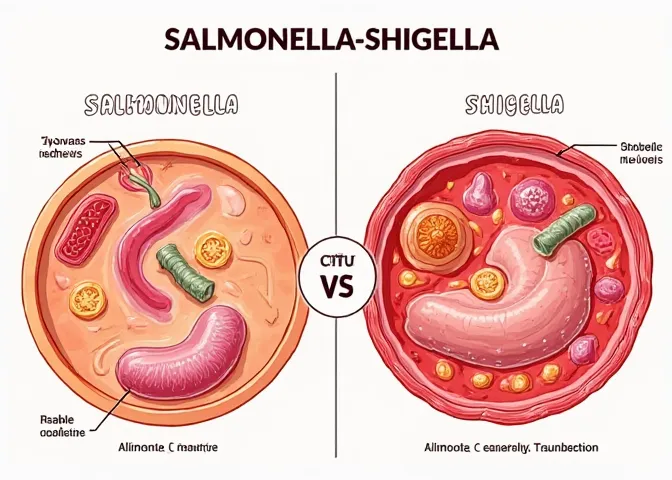
Salmonella and Shigella are two prominent bacterial pathogens that play a major role in diarrheal diseases worldwide. Understanding their differences in transmission, clinical presentation, and public health implications is essential for effective diagnosis and treatment. ddo-

Viral Gastroenteritis agents
14:05 - 14:50 Jan 06, 2026

Viral Gastroenteritis agents

Viral gastroenteritis, commonly known as the stomach flu, is a prevalent health concern that leads to inflammation of the stomach and intestines. It is crucial to recognize the various viral agents involved, such as norovirus and rotavirus, to implement effective prevention and treatment measures. ddo-

Viral Hepatitis
10:20 - 11:05 Jan 06, 2026

Viral Hepatitis

Viral hepatitis is a major global health concern, characterized by various viral infections that lead to liver inflammation and damage. This lecture will explore the different types of viral hepatitis, their clinical presentations, transmission methods, and potential complications. ddo-

Gastric neoplasms
10:20 - 11:05 Dec 29, 2025

Gastric neoplasms

Gastric neoplasms are tumors that arise from the stomach lining, with both malignant and benign forms. They constitute a significant part of gastrointestinal cancers, necessitating a comprehensive understanding of their epidemiology, pathogenesis, clinical presentation, diagnostic methods, and treatment options. ddo-

Hepatitis and cirrhosis
13:10 - 13:55 Jan 07, 2026

Hepatitis and cirrhosis

Hepatitis is an inflammatory condition of the liver primarily caused by viral infections. If left untreated, chronic hepatitis can progress to cirrhosis, leading to severe complications such as liver failure and liver cancer. ddo-

Hepatic injury and metabolic liver disease
15:55 - 16:40 Jan 06, 2026

Hepatic injury and metabolic liver disease

Hepatic injury is a significant concern in clinical medicine due to the liver's vital role in maintaining overall health. This lecture will delve into the various mechanisms that lead to liver damage and examine the complexities surrounding inherited metabolic disorders that impact liver function. ddo-

Liver tumors
14:05 - 14:50 Jan 07, 2026

Liver tumors

Liver tumors are a critical concern in modern medicine, stemming from various causes such as viral infections, alcohol consumption, metabolic diseases, and genetic factors. Understanding their complexities is essential for effective diagnosis and management, highlighting the need for early detection and integrated treatment strategies. ddo-

Neoplasms of small intestine and colon
11:15 - 12:00 Dec 29, 2025

Neoplasms of small intestine and colon

Neoplasms of the small intestine and colon are significant contributors to gastrointestinal cancers, with a spectrum that ranges from benign tumors to aggressive malignancies. A thorough understanding of their histogenesis, clinical manifestations, and management is essential for healthcare professionals in oncology and surgery. ddo-

Non-tumoral gastric -duodenal diseases
11:15 - 12:00 Dec 23, 2025

Non-tumoral gastric -duodenal diseases

Non-tumoral gastric and duodenal diseases are prevalent conditions that significantly impact upper gastrointestinal health. They include a range of disorders such as gastritis, peptic ulcer disease, functional dyspepsia, and gastroesophageal reflux disease, which require proper understanding for effective management. ddo-

Pathology of biliary tract diseases
15:00 - 15:45 Jan 02, 2026

Pathology of biliary tract diseases

The pathology of biliary tract diseases plays a crucial role in the understanding and management of liver-related disorders. Key symptoms such as jaundice often stem from these conditions, making it essential for healthcare professionals to grasp the morphological changes and mechanisms involved. ddo-

Pathology of the esophagus
10:20 - 11:05 Dec 23, 2025

Pathology of the esophagus

The esophagus serves as an essential pathway for food from the mouth to the stomach, but it is susceptible to a variety of pathological conditions. These conditions can range from motility disorders to malignant and inflammatory processes, all of which can greatly affect a patient's health and quality of life. ddo-

Pathology of exocrine pancreas
15:00 - 15:45 Jan 06, 2026

Pathology of exocrine pancreas

The exocrine pancreas plays a crucial role in digestion by producing enzymes necessary for breaking down carbohydrates, proteins, and fats. Pathological conditions affecting the exocrine pancreas, including pancreatitis, chronic damage, and malignancies, significantly impact its function and overall health. ddo-

Pathology of inflammatory bowel diseases
10:20 - 11:05 Dec 31, 2025

Pathology of inflammatory bowel diseases

Inflammatory bowel diseases (IBD), particularly Crohn's disease and ulcerative colitis, are chronic conditions marked by inflammation of the gastrointestinal tract. The underlying pathology is complex, involving immune dysregulation that results in severe inflammation and damage to the intestinal tissues. ddo-

Pathology of the oral cavity and salivary gland diseases
13:10 - 13:55 Dec 29, 2025

Pathology of the oral cavity and salivary gland diseases

The oral cavity is a crucial indicator of overall health, often reflecting systemic diseases or serving as a primary site for various pathologies. This lecture delves into the pathology of the oral cavity and salivary gland diseases, emphasizing the importance of recognizing both benign and malignant conditions. ddo-

Pathology of vascular diseases of bowel
09:25 - 10:10 Dec 31, 2025

Pathology of vascular diseases of bowel

Vascular diseases play a critical role in the health of the bowel, primarily by causing ischemia due to insufficient blood supply. This can result from various factors including embolism, thrombosis, hypovolemia, and low-flow states, highlighting the importance of understanding these pathological mechanisms for accurate diagnosis and management. ddo-

Abdominal examination and Rectal Examination
15:00 - 15:45 Dec 22, 2025

Abdominal examination and Rectal Examination

Abdominal and rectal examinations are essential skills in clinical practice, allowing healthcare providers to gather vital information about a patient's condition. These examinations aid in diagnosing various abdominal and pelvic pathologies, making proficiency in these techniques critical for effective patient care. ddo-