
Search Results
Avitaminosis and hypervitaminosis
14:05 - 14:50 Feb 02, 2026

Avitaminosis and hypervitaminosis

Avitaminosis and hypervitaminosis are two critical conditions related to vitamin imbalances in the body. While avitaminosis refers to vitamin deficiency and its associated health issues, hypervitaminosis involves the adverse effects of excessive vitamin intake. ddo-
Adrenocortical insufficiency in children
10:20 - 11:05 Feb 03, 2026

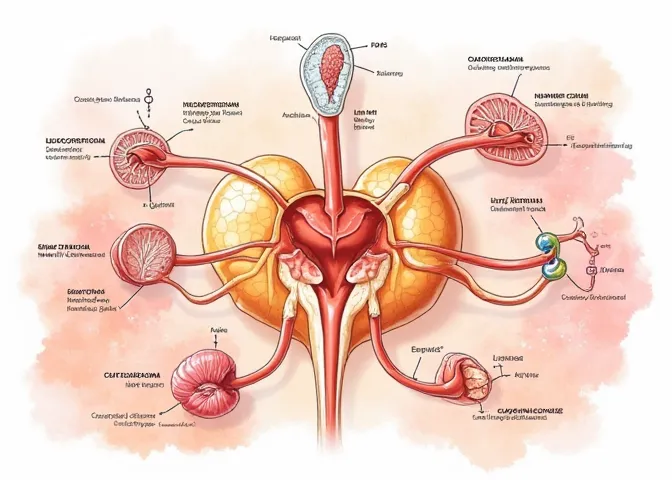
Adrenocortical insufficiency in children

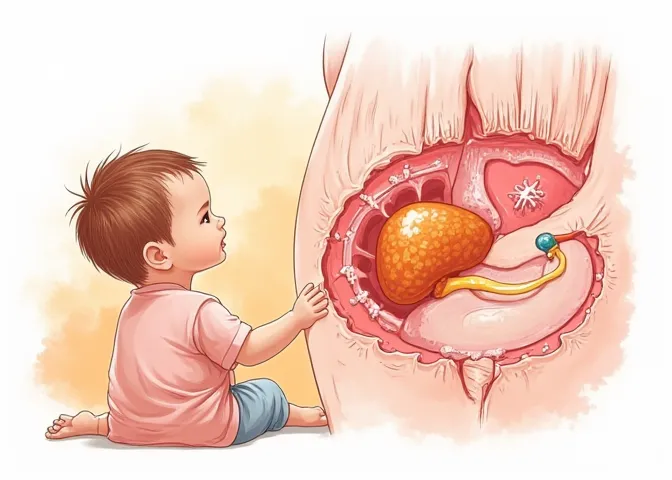
Adrenocortical insufficiency in children is a serious condition marked by insufficient production of adrenal hormones, particularly cortisol. Recognizing the underlying causes, symptoms, and effective management strategies is essential for the health and safety of pediatric patients. ddo-

Congenital adrenal hyperplasias
11:15 - 12:00 Feb 03, 2026

Congenital adrenal hyperplasias

Congenital adrenal hyperplasias (CAH) are a group of inherited disorders caused by enzymatic defects in steroidogenesis, leading to excessive glucocorticoid production. These conditions not only disrupt normal adrenal function but also result in significant clinical manifestations, including adrenal insufficiency and virilization. ddo-

Diabetes Insipidus
10:20 - 11:05 Jan 12, 2026

Diabetes Insipidus

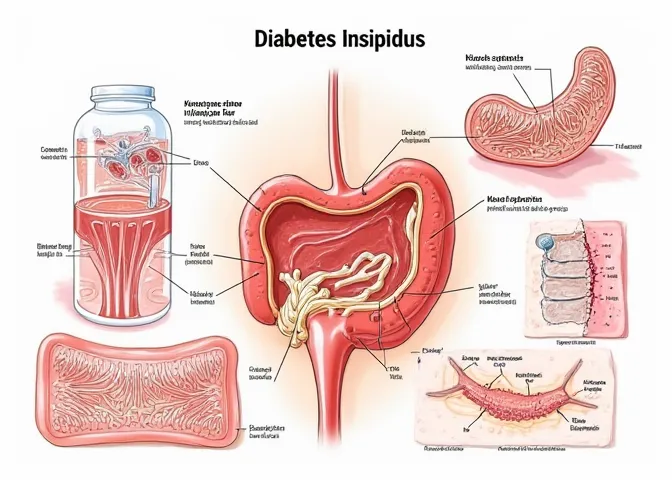
Diabetes insipidus is a rare condition marked by excessive urination and intense thirst, resulting from the body's inability to regulate water balance effectively. This lecture will delve into the various types, underlying causes, and management strategies associated with this unique disorder. ddo-

Diabetes mellitus children
15:00 - 15:45 Jan 12, 2026

Diabetes mellitus children

Diabetes mellitus in children is a growing concern, impacting their health and quality of life. Understanding the types, symptoms, management, and long-term implications is crucial for caregivers and healthcare providers. ddo-

Hypothyroidism and congenital hypothyroidism
09:25 - 10:10 Jan 15, 2026

Hypothyroidism and congenital hypothyroidism

Hypothyroidism is a condition characterized by inadequate production of thyroid hormones, affecting metabolic functions and overall health across various age groups. This lecture focuses on the intricacies of acquired hypothyroidism while also examining congenital hypothyroidism, a serious neonatal disorder that necessitates early detection and management. ddo-

Nutritional rickets
09:25 - 10:10 Feb 02, 2026

Nutritional rickets

Nutritional rickets is a preventable condition caused by vitamin D deficiency that predominantly affects growing children. It results in impaired bone mineralization and various skeletal deformities, making it essential for healthcare providers to recognize its causes, symptoms, and treatment strategies. ddo-

Puberty disorder (early-late)
08:30 - 09:15 Jan 15, 2026

Puberty disorder (early-late)

Puberty disorders refer to conditions in which individuals experience the onset of puberty either unusually early or late, diverging from established developmental milestones. Recognizing these variations is essential for appropriate clinical evaluation and management. ddo-

Acute complications of diabetes
09:25 - 10:10 Jan 13, 2026

Acute complications of diabetes

Diabetes is a chronic condition that can lead to severe acute complications, which may pose immediate threats to a patient's life. Recognizing these emergencies is vital for healthcare providers to ensure prompt diagnosis and appropriate management. ddo-

Adrenal incidentaloma
09:25 - 10:10 Feb 03, 2026

Adrenal incidentaloma

Adrenal incidentalomas are non-functioning tumors that are often found incidentally during imaging studies for unrelated medical issues. These tumors are relatively common and require careful evaluation to rule out hormonally active lesions and associated clinical syndromes. ddo-

Diabetes mellitus adult
08:30 - 09:15 Jan 12, 2026

Diabetes mellitus adult

Diabetes mellitus is a chronic metabolic disorder characterized by high blood glucose levels due to insufficient insulin production or ineffective insulin use. It is a growing health concern in adults, leading to various complications if not properly managed. ddo-

Hypercalcemia (Case analysis)
11:15 - 12:00 Jan 15, 2026

Hypercalcemia (Case analysis)

Hypercalcemia is a condition characterized by elevated serum calcium levels, which can lead to severe complications if not promptly identified and managed. This lecture will analyze key cases to enhance your understanding of its diverse causes, mechanisms, and treatment strategies. ddo-

Hypoglycemia and its physiopathology adult
08:30 - 09:15 Jan 13, 2026

Hypoglycemia and its physiopathology adult

Hypoglycemia, a condition characterized by abnormally low blood glucose levels, can lead to significant physiological disturbances in adults. Understanding its physiopathology is crucial for effective diagnosis and management, particularly in individuals with diabetes or other underlying health conditions. ddo-

Osteoporosis
08:30 - 09:15 Feb 03, 2026

Osteoporosis

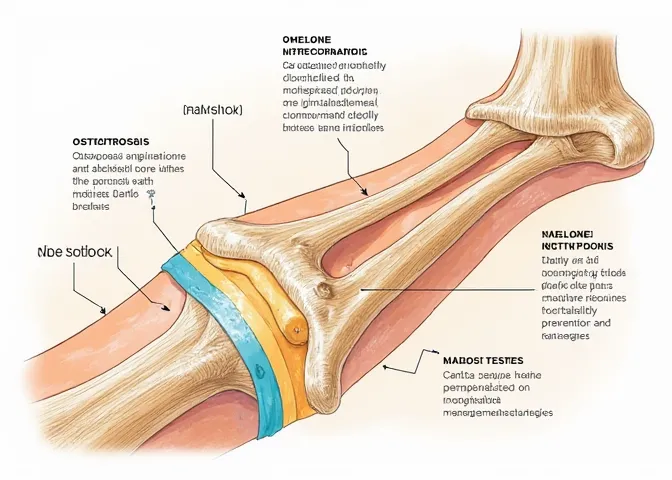
Osteoporosis is a condition marked by decreased bone mineral density, leading to fragile bones and an increased risk of fractures. This often asymptomatic disease poses a significant public health challenge, necessitating effective strategies for prevention and management. ddo-

Pituitary diseases -Hypofunction
11:15 - 12:00 Jan 16, 2026

Pituitary diseases -Hypofunction

Hypofunction of the pituitary gland, known as hypopituitarism, is characterized by insufficient hormone production by the pituitary gland. This condition can lead to various clinical syndromes due to the affected function of multiple target glands and organs. ddo-

Pituitary diseases -Hyperfunction
08:30 - 09:15 Jan 14, 2026

Pituitary diseases -Hyperfunction

Hyperpituitarism is a condition characterized by the overproduction of hormones by the pituitary gland, leading to various clinical syndromes. Recognizing the specific hormone involved is essential for accurate diagnosis and effective treatment. ddo-

Interpretation of Biochemical Tests
10:20 - 11:05 Feb 09, 2026

Interpretation of Biochemical Tests

Biochemical tests are essential in clinical medicine, offering vital information for diagnosis and management. The interpretation of these tests goes beyond just their results; it requires a comprehensive understanding of both the underlying science and the patient's clinical scenario. ddo-

Newborn Metabolic Diseases Screening Tests
15:55 - 16:40 Jan 13, 2026

Newborn Metabolic Diseases Screening Tests

Newborn metabolic disease screening tests are essential for the early detection of metabolic disorders, which can significantly impact an infant's health if left untreated. This lecture will provide an overview of the importance of these screening programs, the methodologies employed, and the positive outcomes associated with early intervention. ddo-

Rational Test Prompt
10:20 - 11:05 Jan 13, 2026

Rational Test Prompt

In medicine, a rational test prompt emphasizes the importance of ordering diagnostic tests rooted in clinical reasoning and evidence. This approach not only enhances patient care but also optimizes resource utilization and minimizes unnecessary procedures. ddo-

Adrenocorticosteroids and antagonists
08:30 - 09:15 Feb 10, 2026

Adrenocorticosteroids and antagonists

Adrenocorticosteroids, including glucocorticoids and mineralocorticoids, are vital in treating inflammation and autoimmune diseases. Antagonists of these steroids provide targeted therapies for conditions such as Cushing's syndrome and hypertension. ddo-

Emetic and antiemetic / prokinetic drugs
14:05 - 14:50 Dec 26, 2025

Emetic and antiemetic / prokinetic drugs

Nausea and vomiting are prevalent symptoms that can severely affect a patient's quality of life and adherence to treatment regimens. This lecture delves into the pharmacological agents used to manage these symptoms, particularly emetics for diagnostic purposes and essential antiemetic and prokinetic drugs that help alleviate discomfort and restore gastrointestinal motility. ddo-

Healthcare Management
13:10 - 13:55 May 07, 2026

Healthcare Management

Healthcare management is a crucial aspect of the medical field that focuses on the administration, leadership, and organization of healthcare systems. It ensures the efficient delivery of healthcare services and enhances patient care while managing resources effectively. ddo-

Insulin and oral antidiabetic drugs
13:10 - 13:55 Feb 09, 2026

Insulin and oral antidiabetic drugs

Diabetes mellitus management relies heavily on insulin and oral antidiabetic drugs. Insulin is essential for individuals with type 1 diabetes and is often used alongside other agents in type 2 diabetes, while oral medications primarily target insulin resistance or beta-cell function in type 2 patients. ddo-

Thyroid and Antithyroid Hormones
10:20 - 11:05 Feb 10, 2026

Thyroid and Antithyroid Hormones

Thyroid hormones are essential for regulating metabolism and maintaining homeostasis in the body. Understanding their function and the implications of disorders related to antithyroid hormones is vital for effective clinical practice. ddo-

Pathology of adrenal gland
11:15 - 12:00 Feb 06, 2026

Pathology of adrenal gland

The adrenal glands, located atop the kidneys, are essential for hormone production, including cortisol and aldosterone. Pathological changes in these glands can lead to serious multisystem disorders that affect metabolism, blood pressure, and mental health. ddo-
Pathology of endocrine pancreas
08:30 - 09:15 Feb 04, 2026

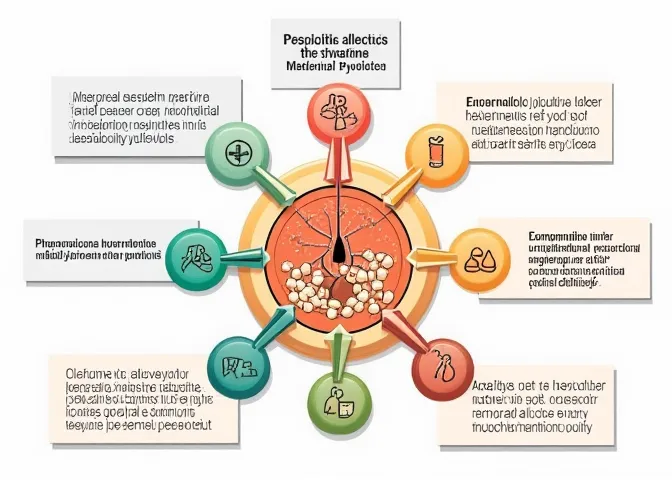
Pathology of endocrine pancreas

The endocrine pancreas plays a critical role in regulating blood glucose levels through the secretion of hormones such as insulin and glucagon. Its dysfunction can lead to various pathological conditions, including diabetes mellitus and endocrine tumors, making it essential for medical professionals to understand these disorders. ddo-
Pathology of parathyroid glands
13:10 - 13:55 Jan 16, 2026

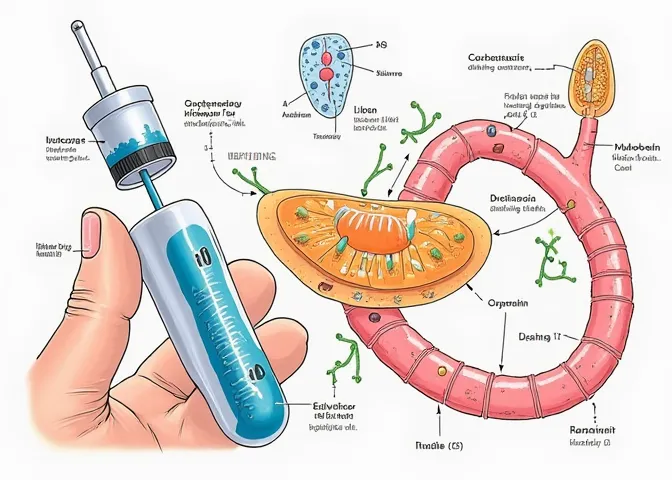
Pathology of parathyroid glands

The parathyroid glands play a crucial role in regulating calcium homeostasis through the secretion of parathyroid hormone (PTH). Dysfunction of these glands can lead to significant clinical conditions, primarily categorized as hyperparathyroidism and hypoparathyroidism, each with distinct pathophysiological mechanisms and clinical implications. ddo-
Pathology of thyroid
14:05 - 14:50 Jan 16, 2026

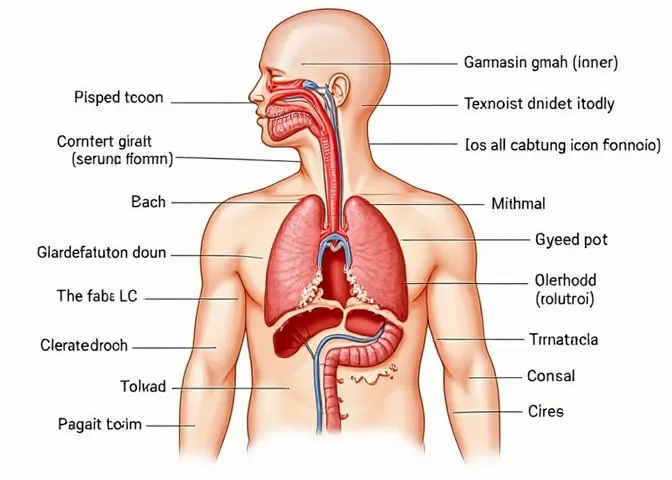
Pathology of thyroid

The thyroid gland, located in the neck, is essential for regulating metabolism via the secretion of thyroid hormones. An understanding of its pathology is critical as it leads to prevalent conditions such as hyperthyroidism and hypothyroidism, which can significantly affect patient health. ddo-
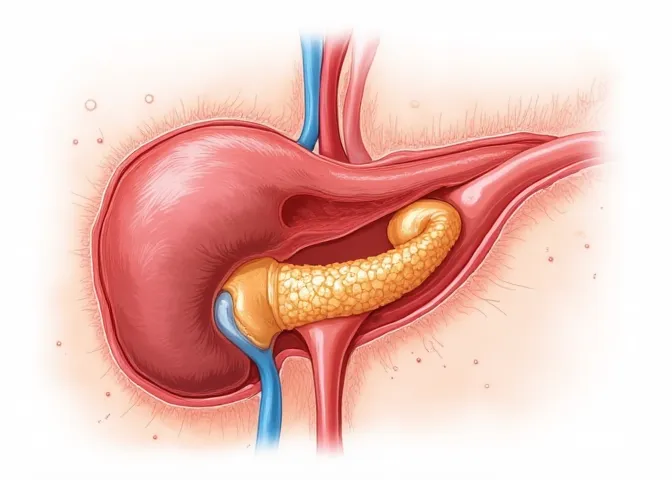
Evidence-based medicine practices
13:10 - 13:55 Feb 03, 2026

Evidence-based medicine practices

Evidence-based medicine (EBM) is an approach to clinical practice that emphasizes the use of the best available evidence in making decisions about patient care. It integrates clinical expertise with the most current and relevant research findings to improve patient outcomes. ddo-
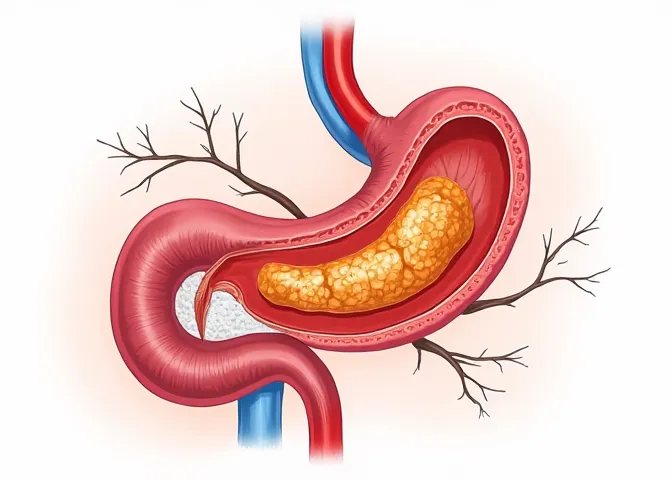
Evaluation of growth
15:00 - 15:45 Feb 02, 2026
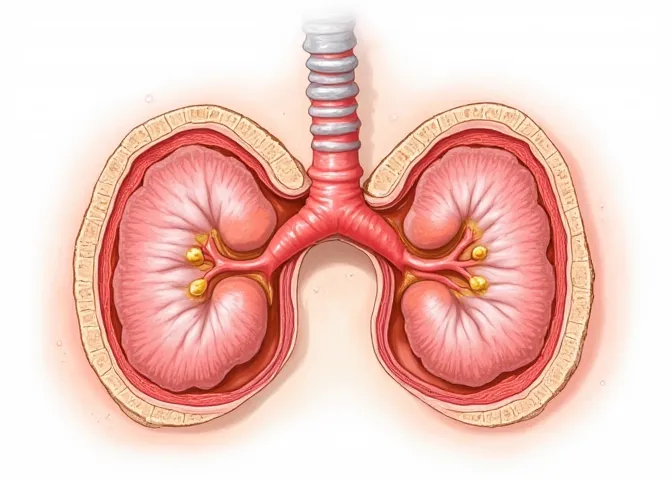
Evaluation of growth

Evaluating growth patterns is essential in clinical medicine, as it helps assess overall health and development throughout a person's life. Proper measurement and interpretation of growth parameters are vital for diagnosis, monitoring treatment responses, and predicting future health outcomes. ddo-

Thyroid examination
15:55 - 16:40 Feb 02, 2026

Thyroid examination

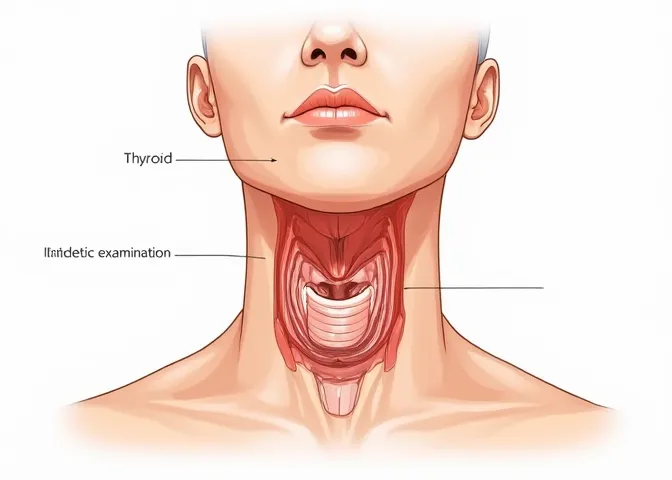
Thyroid examination is a vital skill in clinical medicine that aids in the early detection of endocrine disorders. Understanding how to properly inspect and palpate the thyroid gland is crucial for identifying potential abnormalities and determining the need for further investigations or treatments. ddo-