Search Results
Freezing / Freezing (Case analysis)
10:20 - 11:05 Mar 17, 2026

Freezing / Freezing (Case analysis)

Freezing injuries, often underestimated, can lead to severe clinical consequences, especially in cold environments or among vulnerable populations. This lecture will delve into case studies to better understand the pathophysiology, prevention, and management of freezing injuries. ddo-


Heat Emergencies
08:30 - 09:15 Mar 17, 2026

Heat Emergencies

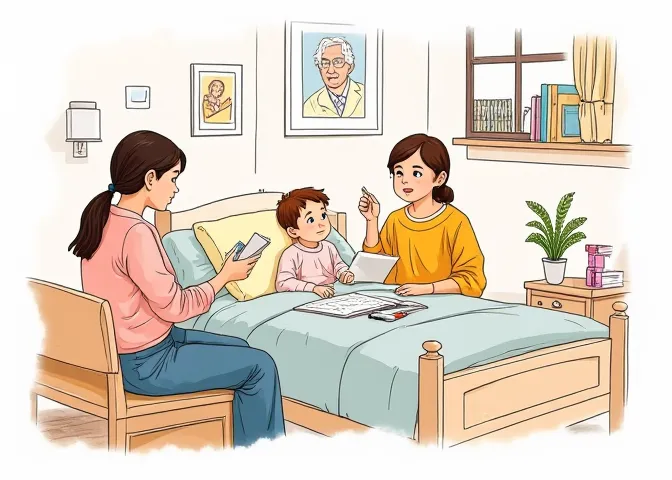
Heat emergencies are serious medical conditions that arise from prolonged exposure to high temperatures. These emergencies can disrupt normal physiological functions and pose significant health risks, making it crucial for healthcare professionals to be familiar with their recognition and management. ddo-

Ataxic disorders in children
09:25 - 10:10 Mar 30, 2026

Ataxic disorders in children

Ataxic disorders in children encompass a variety of neurological conditions marked by difficulties in coordination and balance. These disorders can significantly impact a child's daily functioning and quality of life, making it essential to understand their causes and management approaches. ddo-

Approach to the Child with Seizures
10:20 - 11:05 Mar 30, 2026

Approach to the Child with Seizures

Seizures in children present a complex clinical challenge demanding careful differential diagnosis due to their impact on developing brains. This lecture outlines a systematic approach to evaluating and managing pediatric seizures, from initial history-taking to identifying underlying causes and formulating appropriate treatment plans. ddo-

Hypotonic Infant
15:45 - 16:40 Mar 31, 2026

Hypotonic Infant

Hypotonic infants present with decreased muscle tone, which can impact their motor development and overall health. Understanding the causes, diagnosis, and management of hypotonia is crucial for healthcare providers in order to support these infants effectively. ddo-

Micro-macrocephalia
08:30 - 09:15 Mar 30, 2026

Micro-macrocephalia

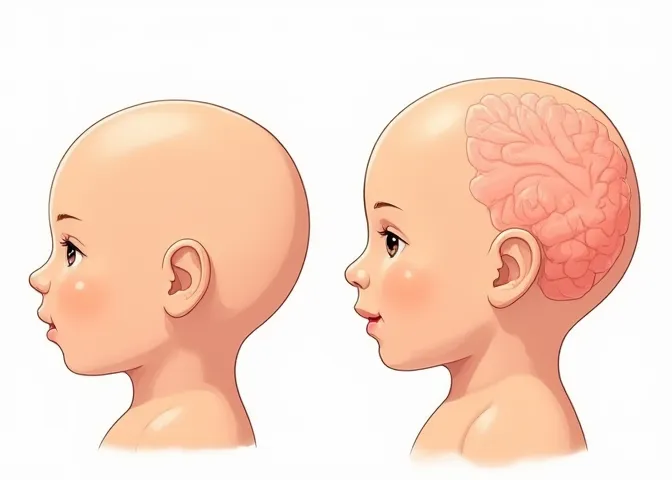
Microcephalia and macrocephalia are conditions characterized by abnormal head sizes, which can indicate underlying neurological issues. Microcephalia involves a smaller than average head circumference, often associated with impaired brain development, whereas macrocephalia refers to an enlarged head size that may suggest conditions like hydrocephalus. ddo-

Monitoring and supporting development
15:00 - 15:45 Mar 30, 2026

Monitoring and supporting development

Monitoring and supporting patient development is essential for ensuring effective medical care. Continuous assessment of health and response to interventions allows for timely adjustments in treatment plans, ultimately enhancing patient outcomes and well-being. ddo-

Autism spectrum disorder
15:55 - 16:40 Mar 26, 2026

Autism spectrum disorder

Autism Spectrum Disorder (ASD) is a complex neurodevelopmental condition characterized by challenges in social communication and repetitive behaviors. It encompasses a range of symptoms and abilities, making it a 'spectrum' disorder, with varying degrees of severity among individuals. ddo-

Communication disorders (stuttering articulation disorder social communication poor language disorder)
08:30 - 09:15 Mar 31, 2026

Communication disorders (stuttering articulation disorder social communication poor language disorder)

Communication disorders encompass a range of difficulties that affect an individual's ability to convey thoughts and ideas effectively. Key types include stuttering, articulation disorders, social communication challenges, and poor language development. Understanding these disorders is crucial for effective diagnosis and intervention. ddo-

Destructive disorders. Impulse control and conduct disorder
09:25 - 10:10 Mar 31, 2026

Destructive disorders. Impulse control and conduct disorder

Destructive disorders, particularly impulse control and conduct disorders, represent a spectrum of behavioral issues characterized by the inability to manage emotions and actions. These disorders can lead to significant impairment in social, academic, and occupational functioning, necessitating a comprehensive understanding of their manifestations and treatment options. ddo-

Enuresis Encopresis
10:20 - 11:05 Mar 31, 2026

Enuresis Encopresis

Enuresis and encopresis are common childhood disorders characterized by involuntary urination and defecation, respectively. These conditions can significantly impact a child's self-esteem and social interactions, making early recognition and management crucial. ddo-

Intellectual disabilities
11:15 - 12:00 Mar 31, 2026

Intellectual disabilities

Intellectual disabilities encompass a range of neurodevelopmental disorders that present significant challenges in intellectual functioning and adaptive behavior. These conditions emerge during the developmental period and are influenced by a combination of biological, psychological, and social factors, necessitating a comprehensive understanding for effective management. ddo-

Tic disorders
15:00 - 15:45 Mar 31, 2026

Tic disorders

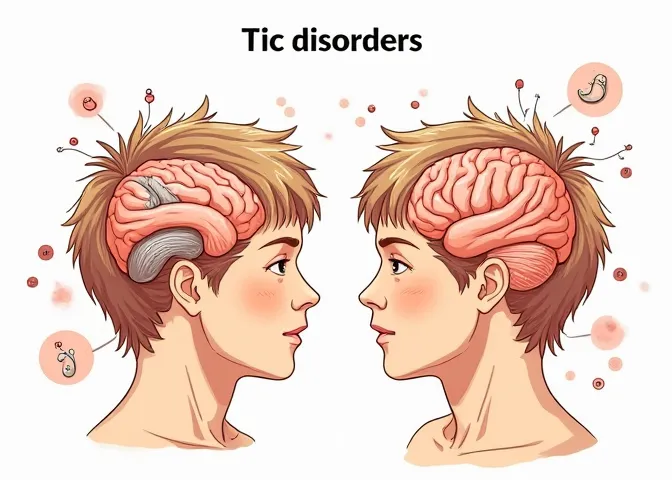
Tic disorders encompass a range of neurological conditions marked by the occurrence of motor and/or vocal tics lasting over a year. These conditions are often misunderstood, yet they play a significant role in affecting patients' quality of life and necessitate thorough clinical evaluation and management. ddo-

General information about dermatology
11:15 - 12:00 Mar 23, 2026

General information about dermatology

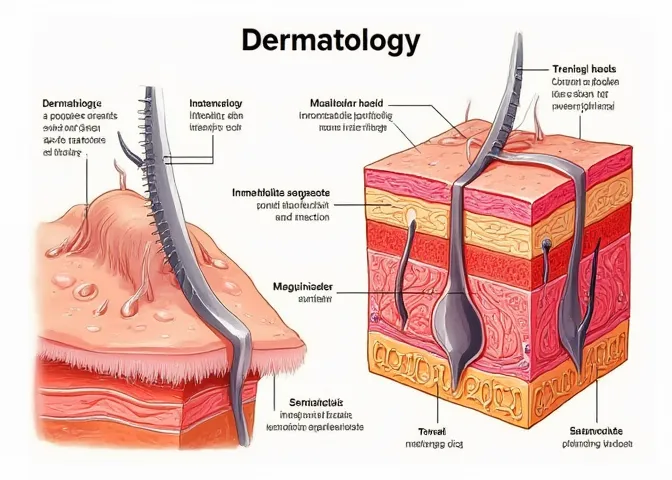
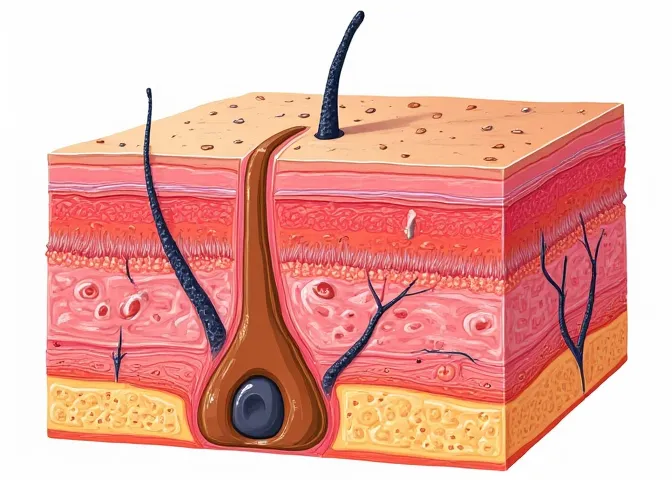
Dermatology is a vital medical specialty focused on the diagnosis, treatment, and prevention of disorders affecting the skin, hair, and nails. It encompasses a broad range of conditions, including common inflammatory diseases, infections, and serious health concerns that may impact an individual's appearance. ddo-

Approach to patient with meningitis
09:25 - 10:10 Mar 23, 2026

Approach to patient with meningitis

Meningitis, an inflammation of the protective membranes covering the brain and spinal cord, presents a significant clinical challenge requiring prompt recognition and intervention. This lecture focuses on establishing a systematic approach to evaluate and manage patients presenting with signs and symptoms suggestive of this serious condition. ddo-

Tetanus
14:05 - 14:50 Mar 26, 2026

Tetanus

Tetanus is a serious bacterial infection resulting from the toxin produced by Clostridium tetani, which can lead to severe muscle rigidity and spasms. It poses a significant health risk, particularly if not treated promptly, as it can cause respiratory failure. ddo-

Approach to the patient with degenerative arthritis (limitation of movement in the joint walking disturbance immobilization)
10:20 - 11:05 Apr 01, 2026

Approach to the patient with degenerative arthritis (limitation of movement in the joint walking disturbance immobilization)

Degenerative arthritis, commonly known as osteoarthritis, is a prevalent condition characterized by the progressive deterioration of joint cartilage and underlying bone. This lecture will focus on the clinical approach to patients presenting with limitations of movement, walking disturbances, and immobilization due to degenerative arthritis. ddo-

Examination of muskuloskeleteal system
09:25 - 10:10 Apr 02, 2026

Examination of muskuloskeleteal system

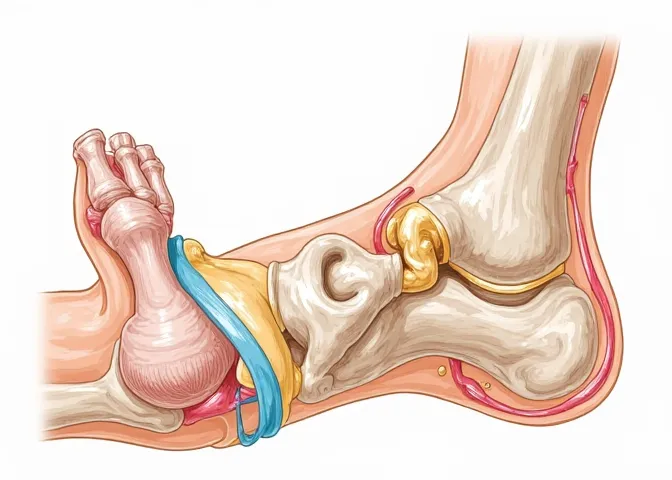
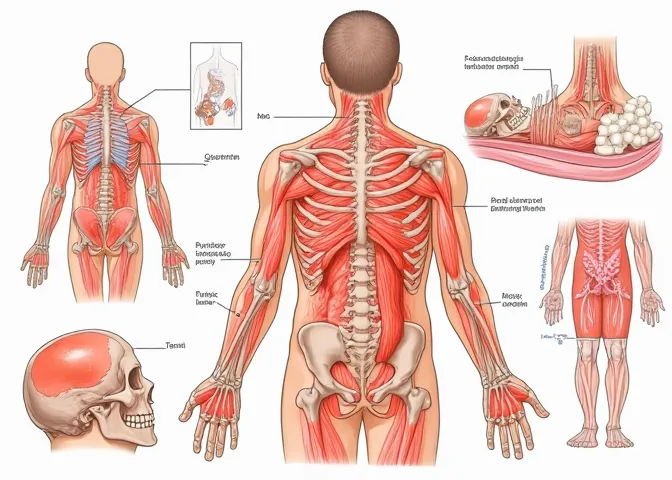
The musculoskeletal system comprises bones, muscles, cartilage, tendons, and ligaments, which work together to support the body and enable movement. A thorough examination of this system is crucial for diagnosing injuries, diseases, and other conditions affecting mobility and functionality. ddo-

Fibromyalgia syndrome and chronic pain
13:10 - 13:55 Mar 31, 2026

Fibromyalgia syndrome and chronic pain

Fibromyalgia syndrome is a multifaceted condition characterized by widespread musculoskeletal pain, fatigue, sleep disturbances, and cognitive difficulties. It poses significant challenges in diagnosis and management, making it essential for healthcare professionals to understand its underlying mechanisms and effective treatment strategies. ddo-

Joint pain/swelling morning stifness
08:30 - 09:15 Apr 02, 2026

Joint pain/swelling morning stifness

Joint pain and swelling, accompanied by morning stiffness, are common symptoms that can significantly impact a person's quality of life. Understanding the underlying causes and management strategies is essential for effective treatment and improved patient outcomes. ddo-

Systemic lupus erythematosus
13:10 - 13:55 Mar 30, 2026

Systemic lupus erythematosus

Systemic lupus erythematosus (SLE) is a complex autoimmune disease where the immune system mistakenly attacks healthy tissues, resulting in widespread inflammation. This condition predominantly affects women and can have a significant impact on multiple organ systems throughout the body. ddo-

Shoulder and upper extremity pain
15:55 - 16:40 Mar 27, 2026

Shoulder and upper extremity pain

Shoulder and upper extremity pain can significantly affect a person's quality of life and functional capabilities. This lecture will explore the common causes, diagnostic approaches, and treatment options for pain in the shoulder and upper extremity, emphasizing the importance of a comprehensive evaluation. ddo-

Double vision (Case analysis)
13:10 - 13:55 Mar 23, 2026

Double vision (Case analysis)

Diplopia, or double vision, is a prevalent symptom that can greatly affect a patient's daily life and often signals underlying neurological or muscular conditions. This lecture focuses on case analysis to investigate the various causes, clinical signs, diagnostic methods, and treatment options related to this intricate visual issue. ddo-

Red eye (Redness in eyes) (Case analysis)
13:10 - 13:55 Mar 24, 2026

Red eye (Redness in eyes) (Case analysis)

Red eye, clinically termed redness in the eyes, is a common presenting symptom encountered in clinical practice. This lecture focuses on analyzing specific case studies to unravel the diverse etiologies and guide appropriate diagnostic and therapeutic pathways. ddo-

Strabismus (Case analysis)
14:05 - 14:49 Mar 24, 2026

Strabismus (Case analysis)

Strabismus, often referred to as squint or crossed eyes, involves the misalignment of the eyes, which can lead to complications such as amblyopia and binocular vision issues. This lecture focuses on the principles of case analysis to explore the underlying causes and develop effective treatment strategies for various strabismus presentations. ddo-

Visual loss (Case analysis)
14:05 - 14:50 Mar 23, 2026

Visual loss (Case analysis)

Visual loss is a critical issue in clinical medicine that requires immediate attention due to its significant effects on a patient's quality of life. Analyzing case studies helps to better understand the various causes, diagnostic challenges, and treatment options available for individuals experiencing vision impairment or blindness. ddo-

Autoinflammatory
10:20 - 11:05 Apr 02, 2026

Autoinflammatory

Autoinflammatory conditions are a unique group of hereditary disorders marked by the inappropriate activation of the innate immune system. These conditions lead to recurrent inflammation and fever episodes without the involvement of adaptive immune responses, distinguishing them from autoimmune disorders. ddo-

General approach to connective tissue diseases and arthritis
08:30 - 09:15 Apr 07, 2026

General approach to connective tissue diseases and arthritis

Connective tissue diseases and arthritis encompass a range of disorders that impact the body's supporting structures and joints, often leading to inflammation and autoimmune responses. A thorough understanding of their pathophysiology and clinical manifestations is essential for effective diagnosis and management in clinical settings. ddo-

General approach to vasculitides
09:25 - 10:10 Apr 13, 2026

General approach to vasculitides

Vasculitides are a group of disorders marked by inflammation of the blood vessel walls, impacting various organ systems and potentially leading to severe complications. A comprehensive understanding of their clinical presentations, diagnostic methods, and treatment options is essential for effective management of these serious conditions. ddo-

Approach to patient with consciousness
10:20 - 11:05 Mar 16, 2026

Approach to patient with consciousness

Assessing a patient's level of consciousness is essential for identifying immediate medical threats and guiding initial management strategies. This lecture will delve into the principles and practical techniques for effectively evaluating altered states of consciousness. ddo-

Approach to the patient with headache (Interactive session)
11:15 - 12:00 Mar 17, 2026

Approach to the patient with headache (Interactive session)

Headaches are among the most common complaints encountered in clinical practice, making an effective approach to their evaluation essential. This interactive session will provide participants with the tools necessary to conduct a thorough assessment, ensuring accurate diagnosis and appropriate management of headache disorders. ddo-

Brainstem reflexes
11:15 - 12:00 Mar 16, 2026

Brainstem reflexes

Brainstem reflexes are essential neural pathways that control vital functions such as respiration and cardiovascular regulation. These reflexes originate from the brainstem's neuronal circuits, playing a critical role in maintaining homeostasis and responding to environmental changes. ddo-

Ischemic stroke
08:30 - 09:15 Apr 06, 2026

Ischemic stroke

Ischemic stroke is the most common type of stroke, primarily caused by a reduction in blood flow to the brain. This condition can result from various mechanisms, including thrombosis and embolism, making it essential for medical professionals to understand its pathophysiology for effective treatment and prevention. ddo-

Overwiev of movement disorders
13:10 - 13:55 Apr 02, 2026

Overwiev of movement disorders

Movement disorders are a unique group of neurological conditions marked by irregularities in movement, which can manifest as abnormal, slow, or absent motor activity. This lecture will explore key disorders such as Parkinson's disease and essential tremor, delving into their clinical presentations and the underlying mechanisms that drive these conditions. ddo-

Introduction to neurosurgery
14:05 - 14:50 Mar 16, 2026

Introduction to neurosurgery

Neurosurgery is a highly specialized surgical discipline focused on diagnosing and treating disorders of the brain, spinal cord, and nerves. This field is particularly demanding due to the complexity of the nervous system and the critical nature of surgical interventions. ddo-

Compartment syndrome
13:10 - 13:55 Apr 21, 2026

Compartment syndrome

Compartment syndrome is a critical medical condition that arises when increased pressure within a confined anatomical space impedes blood flow. This situation can result in severe tissue damage if not addressed swiftly, often requiring surgical intervention to relieve the pressure. ddo-

Developmental hip dysplasia (hip dislocation)
09:25 - 10:10 Apr 20, 2026

Developmental hip dysplasia (hip dislocation)

Developmental hip dysplasia (DHD) is a condition that ranges from mild hip joint instability to complete dislocation, primarily affecting infants. Early detection and intervention are essential to prevent long-term complications and ensure the best functional outcomes for affected children. ddo-

Extremity trauma (upper extremity)
10:20 - 11:05 Apr 20, 2026

Extremity trauma (upper extremity)

Extremity trauma, particularly of the upper extremity, encompasses a variety of injuries affecting the shoulder, arm, forearm, wrist, and hand. These injuries can result from direct trauma, falls, or repetitive stress and can significantly impact a patient's functionality and quality of life. ddo-

Limping child (Case analysis)
10:20 - 11:05 Apr 21, 2026

Limping child (Case analysis)

Limping in children is a prevalent concern that may indicate various underlying medical conditions. This lecture focuses on the differential diagnoses and the essential steps needed for a thorough evaluation of a limping child. ddo-

Osteomyelitis
11:15 - 12:00 Apr 21, 2026

Osteomyelitis

Osteomyelitis is an infection of the bone that can arise from different pathogens and manifests in either acute or chronic forms. Recognizing its pathophysiology, clinical presentation, and management is essential for healthcare providers, as it poses a significant health challenge that requires timely diagnosis and effective treatment. ddo-

Spinal deformities adult
08:30 - 09:15 Apr 20, 2026

Spinal deformities adult

Spinal deformities in adults encompass a range of conditions that can significantly impact mobility and quality of life. These deformities may arise from various causes, including congenital factors, degenerative diseases, trauma, or previous surgeries. Understanding the types, causes, and management strategies for these conditions is essential for effective treatment. ddo-

Evaluation of emergency cranial CT
13:10 - 13:55 Mar 16, 2026

Evaluation of emergency cranial CT

Evaluating cranial CT scans in the emergency department is essential for identifying life-threatening conditions quickly. A thorough understanding of protocols, common pathologies, and the role of contrast administration is critical for accurate interpretation. ddo-

Evaluation of extremity radiography in trauma
08:30 - 09:15 Apr 13, 2026

Evaluation of extremity radiography in trauma

Extremity radiography plays a vital role in the assessment of traumatic injuries, providing essential information for diagnosis and treatment. The complexity of trauma presentations can make interpretation challenging, necessitating a thorough understanding of radiographic techniques and common pitfalls. ddo-

Adaptation disorders
13:10 - 13:55 Apr 17, 2026

Adaptation disorders

Adaptation disorders are a group of clinical issues marked by emotional or behavioral responses that exceed typical reactions to identifiable stressors. Recognizing these disorders is essential for clinicians, as they can lead to significant distress and impair functioning in various life domains. ddo-

Bipolar disorders
13:10 - 13:55 Apr 07, 2026

Bipolar disorders

Bipolar disorders are severe psychiatric conditions defined by extreme mood fluctuations, including manic and depressive episodes. Recognizing and understanding these disorders is essential for medical professionals to ensure accurate diagnosis and effective treatment. ddo-

Depressive disorders
08:30 - 09:15 Apr 14, 2026

Depressive disorders

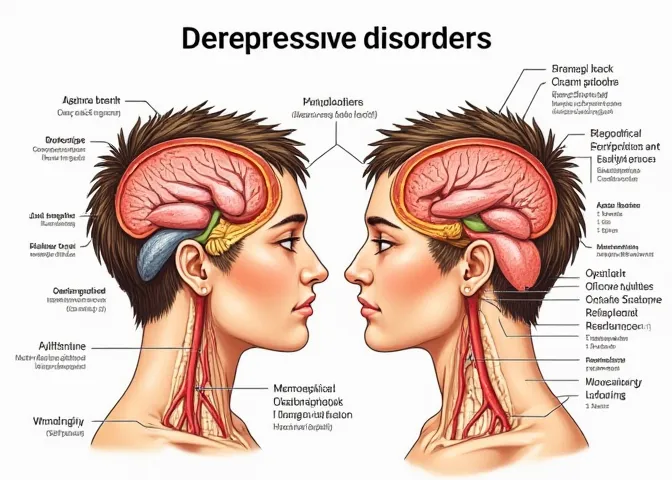
Depressive disorders are a group of mental health conditions marked by ongoing feelings of sadness and a lack of interest in life. They are prevalent and can severely affect an individual's daily functioning and overall well-being. ddo-

Delirium
11:15 - 12:00 Apr 16, 2026

Delirium

Delirium is an acute and often reversible state of confusion characterized by fluctuating levels of consciousness and cognitive disturbances. Unlike dementia, which is a chronic condition, delirium can develop rapidly and requires immediate medical attention to improve patient outcomes. ddo-

Eating behavior problems/ Eating disorders
14:05 - 14:50 Apr 16, 2026

Eating behavior problems/ Eating disorders

Eating disorders are complex mental health conditions that involve significant disturbances in eating behaviors. These disorders can have severe consequences on an individual's physical health and psychological well-being, making it essential for healthcare providers to recognize and manage them effectively. ddo-

Mental reactions to trauma
13:10 - 13:55 Apr 16, 2026

Mental reactions to trauma

Trauma can lead to profound mental health challenges, impacting individuals both immediately and in the long term. Recognizing the variety of psychological responses to trauma is crucial for healthcare professionals providing emergency and ongoing psychiatric care. ddo-

Obsessive compulsory disorder spectrum diseases
09:25 - 10:10 Apr 16, 2026

Obsessive compulsory disorder spectrum diseases

Obsessive compulsive disorder (OCD) and related spectrum conditions are a group of neuropsychiatric disorders that significantly affect individuals' lives. These conditions are marked by intrusive thoughts and repetitive behaviors that can lead to considerable distress and impairment in functioning. ddo-

Personal disorders
08:30 - 09:15 Apr 16, 2026

Personal disorders

Personal disorders are a complex set of conditions that affect an individual's thoughts, emotions, and behaviors. These disorders can significantly hinder a person's ability to deal with stress and foster social relationships. ddo-

Somatic symptom disorders
15:00 - 15:45 Apr 06, 2026

Somatic symptom disorders

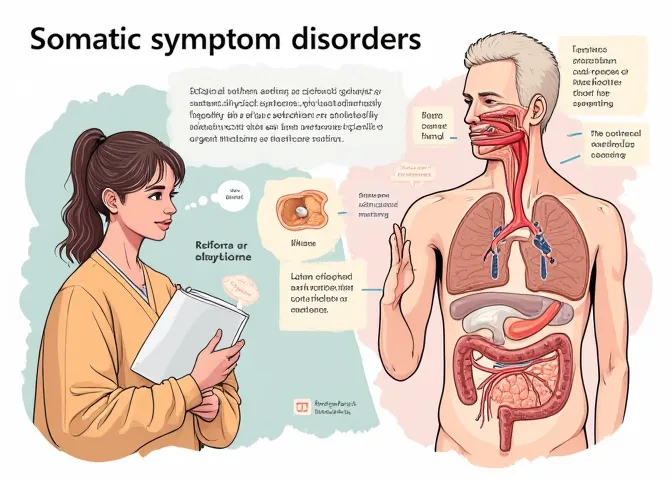
Somatic symptom disorders involve the presence of significant physical symptoms that lead to considerable distress or functional impairment. These symptoms cannot be entirely attributed to a medical condition, highlighting the complexity of their diagnosis and treatment. ddo-

Antiepileptic Drugs
14:05 - 14:50 Apr 03, 2026

Antiepileptic Drugs

Antiepileptic drugs (AEDs) are critical in the management of seizures and epilepsy by modulating neuronal excitability in the central nervous system. A thorough understanding of their mechanisms, efficacy, and potential side effects is essential for optimizing treatment and enhancing patient quality of life. ddo-

Antidepressant and antimanic drugs
08:30 - 09:15 Apr 15, 2026

Antidepressant and antimanic drugs

The management of mood disorders, including depression and mania, is a pivotal aspect of psychiatric care. This lecture will delve into the pharmacological treatment options available, particularly focusing on antidepressants and antimanic drugs. ddo-

Antipsychotic drugs and Lithium
08:30 - 09:15 Apr 21, 2026

Antipsychotic drugs and Lithium

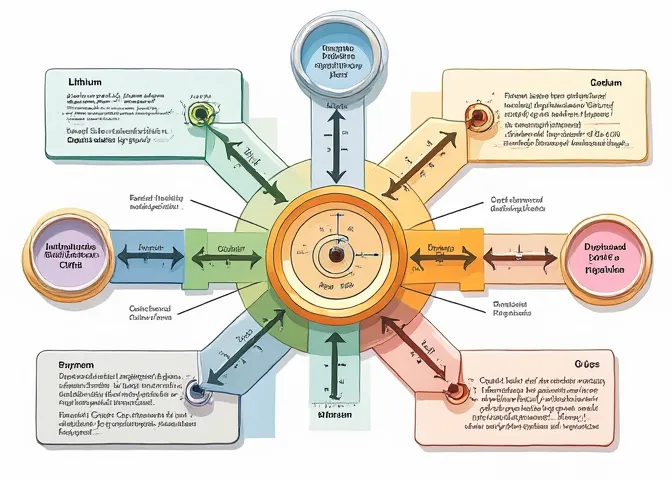
Antipsychotic drugs are essential for treating psychotic disorders, offering relief from symptoms such as hallucinations and delusions. Lithium plays a crucial role in managing bipolar disorder, particularly during acute episodes and for long-term stabilization. This lecture will delve into the mechanisms, uses, and potential side effects of these important medications. ddo-

Centrally acting muscle relaxants
08:30 - 09:15 Apr 27, 2026

Centrally acting muscle relaxants

Centrally acting muscle relaxants are pharmacological agents that target the central nervous system to alleviate muscle spasms and the associated pain. Unlike neuromuscular blockers, which act directly on peripheral muscles, these agents are vital for managing conditions characterized by skeletal muscle hyperactivity, such as pain, spasticity, and tetany. ddo-

Clinical pharmacology of alcohols
11:15 - 12:00 Apr 17, 2026

Clinical pharmacology of alcohols

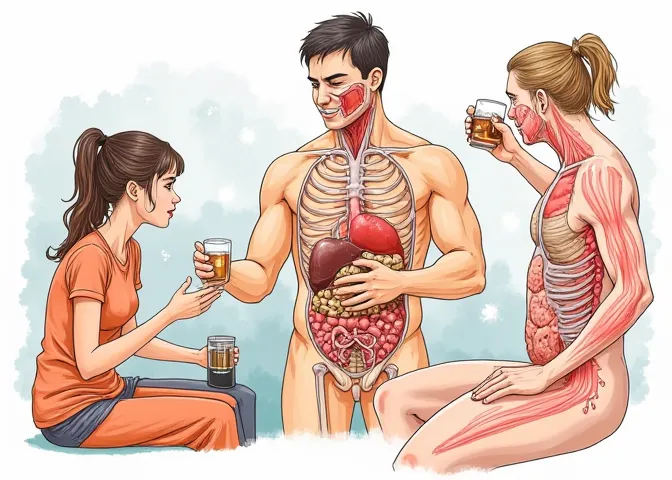
Alcohol, primarily ethanol, plays a significant role in human physiology and poses major public health challenges due to its widespread consumption and potential for toxicity. Understanding its pharmacological mechanisms, metabolic pathways, and clinical effects is essential for healthcare professionals. ddo-

Disease modifying anti-rheumatic drugs
10:20 - 11:05 Apr 24, 2026

Disease modifying anti-rheumatic drugs

Disease modifying anti-rheumatic drugs (DMARDs) play a crucial role in the treatment of chronic inflammatory rheumatic diseases. They are designed to slow down or prevent joint damage, thus significantly impacting the progression of conditions such as rheumatoid arthritis. ddo-

Drugs used in gout treatment
09:25 - 10:10 Apr 22, 2026

Drugs used in gout treatment

Gout is a painful inflammatory joint condition caused by elevated uric acid levels in the body. Managing gout effectively requires both acute treatment during flare-ups and prophylactic strategies to prevent future attacks. ddo-

General anesthetics
10:20 - 11:05 Apr 13, 2026

General anesthetics

General anesthetics are essential in modern surgical practice, allowing patients to undergo intricate procedures without pain or awareness. These powerful agents function primarily on the central nervous system, providing immobility, amnesia, and analgesia while safely preserving vital physiological functions. ddo-

Healthcare Management
13:10 - 13:55 May 21, 2026

Healthcare Management

Healthcare management is a critical field that involves overseeing and coordinating the various aspects of healthcare systems. It encompasses the administration of healthcare facilities, the management of healthcare personnel, and the implementation of healthcare policies to ensure optimal patient care and operational efficiency. ddo-

Local Anesthetics
11:15 - 12:00 Apr 14, 2026

Local Anesthetics

Local anesthetics are crucial medications used to achieve temporary pain relief by interrupting nerve signal transmission. Their proper understanding and application are essential in numerous medical and dental procedures to enhance patient comfort and outcomes. ddo-

Neuromuscular Blocking Drugs
09:25 - 10:10 Apr 27, 2026

Neuromuscular Blocking Drugs

Neuromuscular blocking drugs (NMBDs) are vital components in the field of anesthesia, enabling muscle relaxation necessary for various medical procedures. By disrupting neuromuscular transmission, these agents induce temporary paralysis, which aids in interventions such as intubation and major surgeries. ddo-
Narcotic (opioid) analgesics and antagonists
10:20 - 11:05 Apr 27, 2026

Narcotic (opioid) analgesics and antagonists

Narcotic (opioid) analgesics are essential in the treatment of moderate to severe pain, offering powerful relief for patients. However, their use is accompanied by significant risks, including addiction and respiratory depression, making it vital for healthcare professionals to understand their applications and the role of opioid antagonists. ddo-

Non-steroidal anti-inflammatory drugs (NSAIDs)
10:20 - 11:05 Apr 22, 2026

Non-steroidal anti-inflammatory drugs (NSAIDs)

Non-steroidal anti-inflammatory drugs (NSAIDs) are commonly used medications for alleviating pain, reducing inflammation, and lowering fever. Their widespread use necessitates a comprehensive understanding of their mechanisms, applications, and potential side effects to ensure safe patient care. ddo-

Pharmacology of degenerative disorders
10:20 - 11:05 Apr 06, 2026

Pharmacology of degenerative disorders

The pharmacological management of degenerative disorders is crucial in addressing the unique challenges posed by these complex conditions. Effective therapeutic strategies are essential to modify disease progression and enhance patients' quality of life. ddo-

Serotonin and Dopamin
09:25 - 10:10 Mar 27, 2026

Serotonin and Dopamin

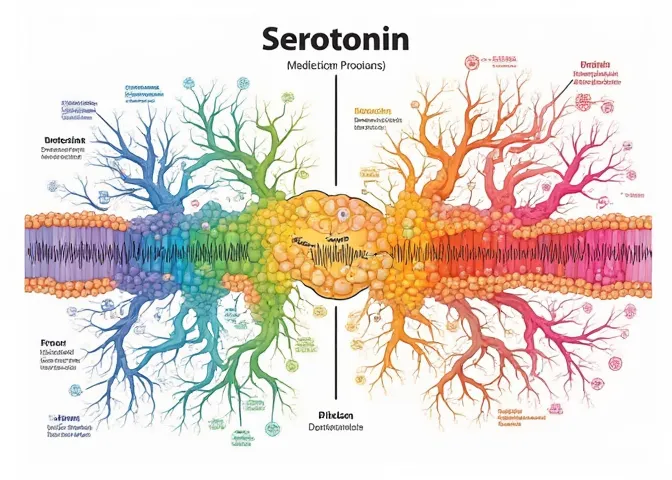
Serotonin and dopamine are crucial neurotransmitters that play significant roles in regulating mood, motivation, and cognitive functions. Their balance is vital for mental health, and understanding their mechanisms is key to addressing various psychiatric and neurological disorders. ddo-

Sedative and Hypnotic Drugs
13:10 - 13:55 Apr 20, 2026

Sedative and Hypnotic Drugs

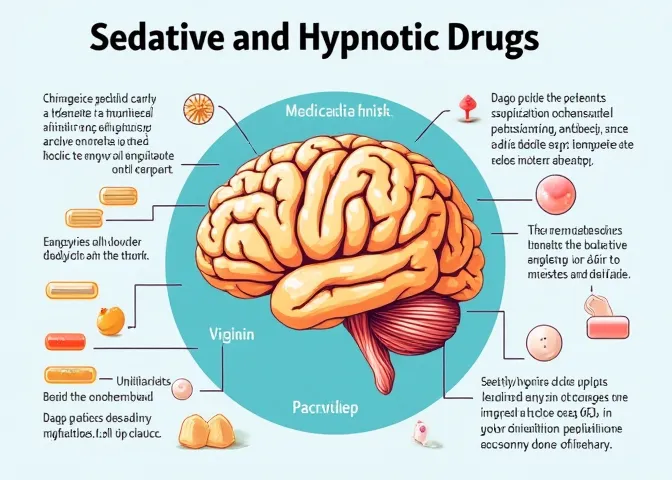
Sedative and hypnotic drugs play a crucial role in modern medicine by helping to manage anxiety and sleep disorders. These medications primarily enhance the action of GABA, a neurotransmitter that promotes relaxation and sleep, but their misuse can lead to serious consequences. ddo-

CNS Basic pathological alterations
13:10 - 13:55 Mar 17, 2026

CNS Basic pathological alterations

The central nervous system (CNS) serves as the body's master control center, making a thorough understanding of its basic pathological alterations essential for medical practice. This lecture will delve into the fundamental cellular and structural changes occurring within the brain and spinal cord across various diseases, forming a foundation for understanding clinical syndromes. ddo-

CNS Degenerative and demyelinating diseases
10:20 - 11:05 Mar 25, 2026

CNS Degenerative and demyelinating diseases

CNS degenerative and demyelinating diseases are significant challenges in neurology, marked by progressive neuronal loss and the destruction of the myelin sheath. A comprehensive understanding of these disorders is essential for improving diagnostic strategies and developing effective treatments for affected patients. ddo-

CNS Infections
08:30 - 09:15 Mar 25, 2026

CNS Infections

CNS infections pose a critical challenge in clinical settings, requiring immediate and precise diagnosis to mitigate the risks of severe complications and death. A comprehensive understanding of their various causes, underlying mechanisms, and treatment options is essential for healthcare providers handling patients with neurological symptoms. ddo-

CNS Toxic and metabolic diseases
09:25 - 10:10 Mar 25, 2026

CNS Toxic and metabolic diseases

CNS toxic and metabolic diseases refer to a range of disorders caused by exposure to toxic substances or metabolic imbalances that adversely affect the central nervous system. These conditions can lead to significant neurological deficits and require a thorough understanding for effective diagnosis and treatment in clinical settings. ddo-

Muscle and joint diseases
13:10 - 13:55 Apr 06, 2026

Muscle and joint diseases

Muscle and joint diseases encompass a variety of conditions that significantly affect the musculoskeletal system, leading to challenges in movement, stability, and overall function. A comprehensive understanding of their pathophysiology, diagnosis, and management is essential for clinicians to deliver effective patient care. ddo-

SSS Familial Tumor Syndromes
11:15 - 12:00 Apr 01, 2026

SSS Familial Tumor Syndromes

Familial tumor syndromes are genetic conditions that significantly elevate the risk of developing certain cancers within families. Knowledge of these syndromes is essential for facilitating early diagnosis, implementing preventive measures, and offering genetic counseling to affected individuals and their relatives. ddo-

Skin tumors
09:25 - 10:10 Apr 01, 2026

Skin tumors

Skin tumors are an important aspect of human pathology, consisting of both benign and malignant growths originating from skin cells. Understanding their causes, clinical features, and management is essential for effective medical practice. ddo-

Soft-tissue tumors
13:10 - 13:55 Apr 14, 2026

Soft-tissue tumors

Soft-tissue tumors are a diverse group of neoplasms that arise from the body's connective tissues, including muscle, fat, nerves, and blood vessels. Their varied histological features and clinical presentations highlight the importance of accurate diagnosis and management in clinical settings. ddo-

Tumors of CNS
11:15 - 12:00 Mar 27, 2026

Tumors of CNS

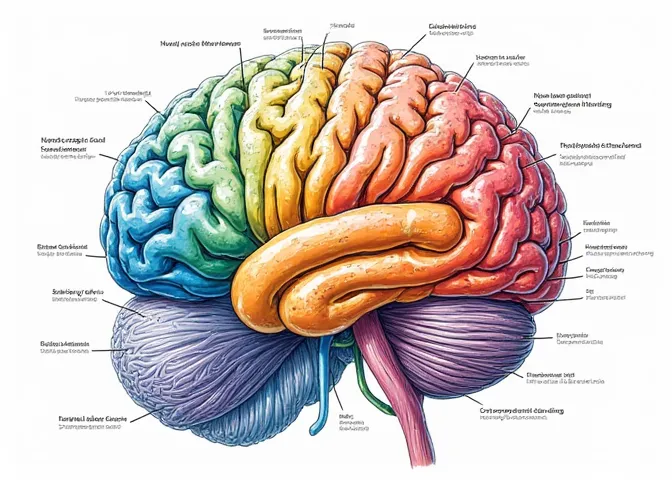
CNS tumors are a complex group of neoplasms that arise from the brain and spinal cord, posing significant challenges in diagnosis and treatment. A thorough understanding of their classification, molecular characteristics, and clinical behaviors is essential for improving patient outcomes in neuro-oncology. ddo-

Evidence-based medicine practices
13:10 - 13:55 Apr 24, 2026

Evidence-based medicine practices

Evidence-based medicine (EBM) is a systematic approach to medical practice that emphasizes the use of the best available evidence in making healthcare decisions. This practice integrates clinical expertise, patient values, and the most relevant research findings to improve patient outcomes and ensure effective treatment strategies. ddo-

Ability to apply plaster to wrist and forearm
15:55 - 16:40 Apr 20, 2026

Ability to apply plaster to wrist and forearm

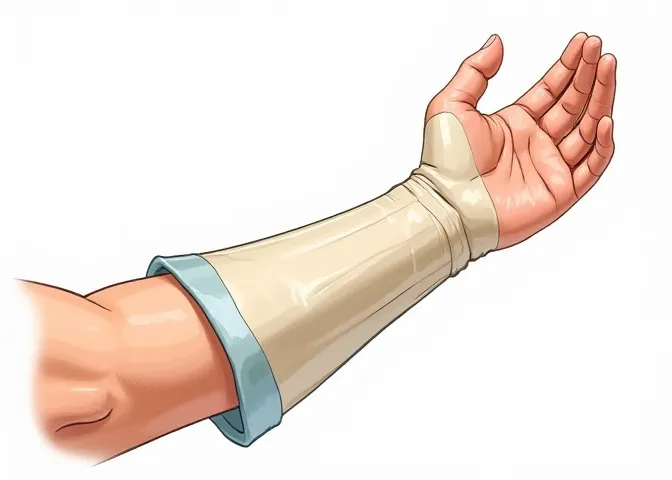
Mastering the application of a plaster cast to the wrist and forearm is crucial for effective patient management in cases of fractures and soft tissue injuries. This lecture covers the essential techniques and considerations for ensuring proper immobilization and optimal healing outcomes. ddo-
Examination of musculoskeletal system
15:00 - 15:45 Apr 20, 2026

Examination of musculoskeletal system

The examination of the musculoskeletal system is a crucial component of clinical medicine. Mastery of this skill enables healthcare professionals to effectively identify musculoskeletal disorders and develop suitable diagnostic and treatment strategies. ddo-
Rinne Weber test
15:55 - 16:40 Apr 07, 2026
Rinne Weber test

The Rinne Weber test is a key clinical assessment used in medicine to evaluate hearing function. It helps differentiate between conductive and sensorineural hearing loss by comparing sound perception through air and bone conduction. ddo-